The community from Guinea-Bissau in Dubai is one of the city’s smallest — there is no Bissau-Guinean quarter and no long-established association — yet its members build a good life here by plugging into wider West African, Portuguese-speaking and faith networks. If you have just arrived, expect to create your community rather than find it ready-made, and expect Dubai’s openness, safety and variety to make that easier than you might fear.
Finding People: Where Community Happens
Start with language. Portuguese connects you to Angolans, Mozambicans, Brazilians and Portuguese in Dubai, while Guinea-Bissau’s widely spoken Kriol and French link you to the broader West African scene. West African traders, shops and eateries cluster in older commercial districts such as Deira — around Naif and Baniyas — where you will hear familiar languages, find familiar products, and get honest advice from people who made the same journey. Messaging and social media groups for West Africans and for Portuguese speakers in the UAE are practical tools for finding rooms, jobs, church services and social gatherings; join a few, contribute, and meet new contacts in public places first.
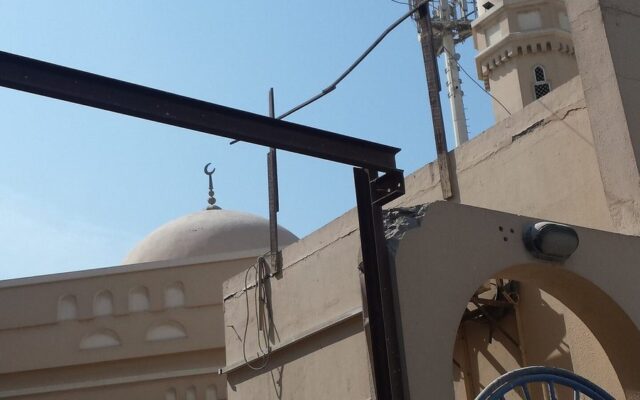
Faith is the other great connector. Guinea-Bissau has large Muslim and Christian communities, and Dubai serves both well: mosques in every neighbourhood with Friday gatherings that double as social anchors, and churches of many denominations, including services in Portuguese and other languages, holding worship across the city. A congregation is often the fastest route to trusted friends, help in a crisis, and news from home.
Food From Home
Bissau-Guinean cooking — rice at the centre, rich peanut and palm-oil sauces, caldo dishes with fish or meat, okra, and plenty of fresh seafood in memory if not always on the Dubai table — can be recreated more faithfully than most newcomers expect. African grocery shops in Deira and other trading areas typically stock many of the building blocks:
- Plantain, cassava, yam and sweet potato
- Palm oil, peanut paste and dried groundnuts
- Dried and smoked fish, dried okra and hot chillies
- Rice varieties suited to saucy dishes, plus beans and lentils
Stock rotates with shipments, so ask shopkeepers what comes in and when, and stock your cupboard when key items appear. West African restaurants around the older districts serve jollof, grilled fish and sauce-and-rice plates that scratch the same itch, even if the menu leans Ghanaian or Nigerian. The real taste of home, though, usually comes from cooking with friends — a shared pot on a day off is both dinner and community-building in one.
📸 Follow @dxbtalk1 on Instagram for daily Dubai in photos →
Making Everyday Life Work
Most Bissau-Guineans in Dubai live carefully and send money home, so budgeting is a way of life: shared housing or a room in areas such as Deira, Bur Dubai, Al Nahda or International City typically costs around AED 800 to AED 2,500 a month as a guide; cooking at home, a Nol card for Metro and bus travel, and free pleasures — beaches, parks, public events — keep life enjoyable without draining the remittance fund. The hard parts are the familiar expat ones: the summer heat, distance from family, and the smallness of the community on homesick days. Regular video calls home, a routine that includes exercise and rest, and celebrating what you can — Eid and Christmas are both marked in the UAE’s calendar of holidays and festivities, and Guinea-Bissau’s Independence Day on 24 September is a good excuse for a community meal — all help more than people expect.
Looking After the Practical Side
Keep your passport valid and your documents organised, keep your UAE residence status in order, and know where your consular support actually comes from — for a small country, representation may be handled from Abu Dhabi or a neighbouring country, so verify the official channel through Guinea-Bissau’s government sources or the UAE MoFA before you need it urgently. Staying legal, documented and connected is what turns a work posting into a stable life.
FAQ
How big is the Guinea-Bissau community in Dubai?
It is very small, so most Bissau-Guineans socialise within wider West African and Portuguese-speaking circles. Deira’s African shops and eateries, faith communities and online groups are the main meeting points.
Can I buy ingredients for Bissau-Guinean food in Dubai?
Yes — African grocery shops stock plantain, cassava, palm oil, peanut products, dried fish and chillies, though availability varies by shipment. Ask shopkeepers about delivery days.
Where can I hear Portuguese spoken?
Through Lusophone community groups, some church services, and the wider Portuguese-speaking expat scene from Angola, Mozambique, Brazil and Portugal. Search social platforms for UAE-based Portuguese-speaking groups.
For more practical guides to money, paperwork and everyday life in the Emirates, keep exploring DXB Talk and browse the Lifestyle section for related step-by-step help written for residents.
Related Guides
- Life in Dubai for Expats From Papua New Guinea: Community, Food and Finding a Taste of Home
- Life in Dubai for Expats From Guinea: Community, Food and Finding a Taste of Home
- Life in Dubai for Expats From Equatorial Guinea: Community, Food and Finding a Taste of Home
- Cost of Living in Dubai Compared With Back Home in Bolivia