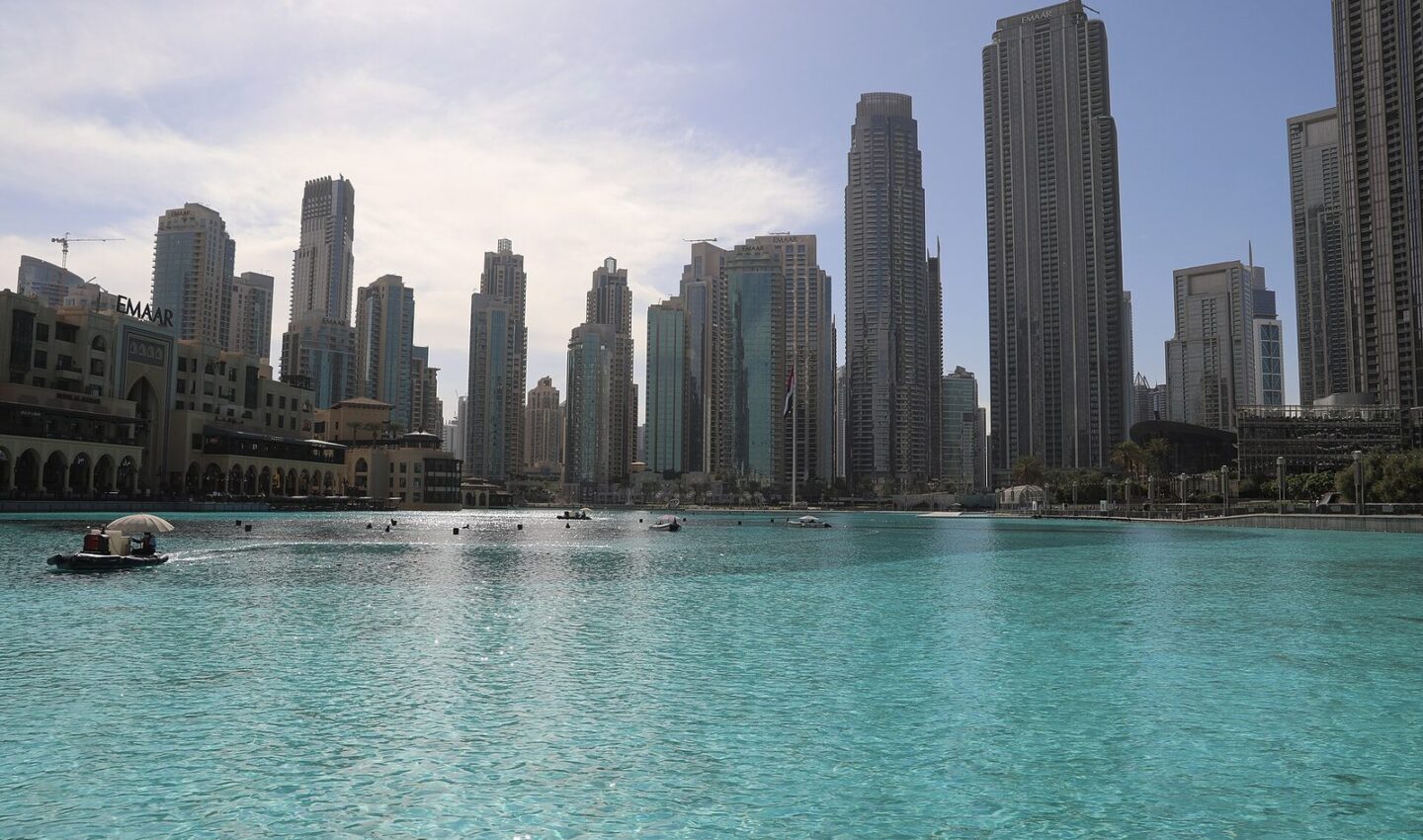
Moving from Equatorial Guinea to Dubai means swapping the coastal calm of Malabo or Bata for a fast, international city where Spanish is heard far less often, summers are far hotter, and almost everything runs through apps and official portals. The good news is that Dubai rewards people who plan ahead: once housing, paperwork and daily routines are sorted, the city offers strong job networks, excellent transport and a food scene where you can, with a little searching, recreate familiar flavours from home.
Settling In During the First Weeks
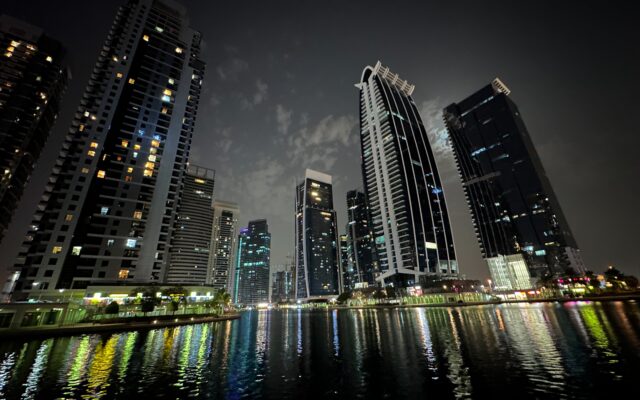
Give yourself time to adjust to the pace and the climate. From roughly May to September, outdoor life shifts to early mornings and evenings, and air conditioning becomes essential rather than a luxury. Choose temporary accommodation near a Metro station if you can, so you can explore neighbourhoods before signing a longer lease. Areas such as Deira, Bur Dubai, Al Barsha and International City are popular with newcomers because rents are typically more manageable as a guide, shops are close, and public transport is straightforward.
Sort the basics in order: a local SIM card, a Nol card for the Metro and buses, a UAE bank account once your Emirates ID is issued, and health insurance arranged through your employer or a provider you choose. Keep digital and paper copies of your passport, visa, employment contract and any attested certificates in one folder — you will be asked for them repeatedly in the first month.
Finding Community and Familiar Faces
The Equatoguinean community in Dubai is small, so connections often grow through wider African, Spanish-speaking and church or cultural networks rather than a single large association. Start with these routes:
- African community groups and cultural events advertised through social media and community noticeboards in Deira and Bur Dubai
- Spanish-language meetups, conversation groups and Latin and Spanish restaurants where Spanish-speaking residents gather
- Faith communities — many Equatoguineans are Catholic, and Dubai has licensed churches with services in several languages; check service times on the church’s official site
- Workplace networks, especially in energy, logistics, hospitality and domestic employment agencies where fellow nationals may already work
- National-day and cultural celebrations shared through consular or embassy announcements — verify details on official channels before travelling to an event
Because the community is small, be a good node in it: share reliable information about landlords, employers and money transfer services, and warn others about scams. Word of mouth matters more here than any single website.
📸 Follow @dxbtalk1 on Instagram for daily Dubai in photos →
Food and a Taste of Home
You will not find a dedicated Equatoguinean restaurant on every corner, but Dubai’s African grocery shops and markets make home cooking very possible. Look for plantain, cassava, yams, dried and smoked fish, palm oil, groundnuts and hot peppers in African and Asian supermarkets in Deira, especially around the Baniyas and Al Ras areas, and in larger hypermarkets that stock international ranges. Dishes built around grilled fish, chicken in peanut or palm-nut sauces, and rice can be recreated well with local ingredients.
For eating out, West and Central African restaurants in Deira and Bur Dubai serve familiar staples such as jollof-style rice, grilled meats and stews, even if the seasoning differs slightly from home. Spanish restaurants across the city are another comforting option for language and flavours like grilled seafood and rice dishes. Cooking at home most days also keeps costs down — eating out regularly adds up quickly in Dubai.
Money, Work and Daily Life
Most residents from Equatorial Guinea come to Dubai for work, so protect yourself from day one: never pay an agent who promises a visa for cash without official paperwork, keep your passport in your own possession, and make sure your contract matches what was promised. Wages, working hours and end-of-service benefits should be in writing. If something goes wrong, official UAE labour channels and your country’s diplomatic mission — which may be based in Abu Dhabi or cover the UAE from elsewhere — are the safe routes for advice; find the current contact details through official government listings rather than social media posts.
For sending money home, compare licensed exchange houses and bank transfers on both the exchange rate and the fee, and check what identification the service requires. Keep receipts for every transfer. Budget realistically: rent is usually the largest cost, followed by transport, food and remittances, so build a small emergency fund before committing to extra spending.
Enjoying Dubai Beyond Work
Dubai is more than malls. Public beaches, creek-side walks in old Dubai, affordable abra boat rides, desert trips in the cooler months and free community events can fill weekends without stretching your budget. Respect local customs — dress modestly in government offices and places of worship, follow the rules during Ramadan, and keep alcohol consumption to licensed venues. These habits make daily life smoother and are appreciated by Emirati colleagues and neighbours.
FAQ
Is there a large Equatoguinean community in Dubai?
No, it is relatively small. Most people connect through wider African, Spanish-speaking, workplace and faith networks, which are welcoming and practical for newcomers.
Can I find ingredients for Equatoguinean cooking in Dubai?
Yes. African grocery shops in Deira and larger hypermarkets typically stock plantain, cassava, yams, dried fish, palm oil and spices, so home cooking is very achievable.
Where do I get official help if I have a problem?
Use UAE government portals for labour, visa and police matters, and verify your country’s diplomatic mission for the UAE through official listings, as cover may come from Abu Dhabi or another country.
For more practical guides to settling, working and living well in the city, visit DXB Talk and browse the Lifestyle archive for everyday tips from residents across Dubai.