Dubai’s Guinean community is small compared with some of the city’s larger expat groups, but Guineans in the Emirates — many working in trade, services, logistics and small business — find their footing through West African networks, shared language, faith communities and food sourced from across the city. Building a life here is less about finding one Guinean neighbourhood and more about knowing where the wider West African community gathers, shops and celebrates.
Finding Your Community
French is widely shared among Guineans, and that opens doors: Francophone West African communities from Senegal, Mali, Ivory Coast and Guinea overlap socially in Dubai, sharing shops, restaurants, hair salons and celebrations. Areas with long-standing African trading communities, such as Deira around Naif and Baniyas, are a natural starting point — you will hear French and West African languages in the shops and small eateries there, and traders are often happy to point newcomers towards community contacts.
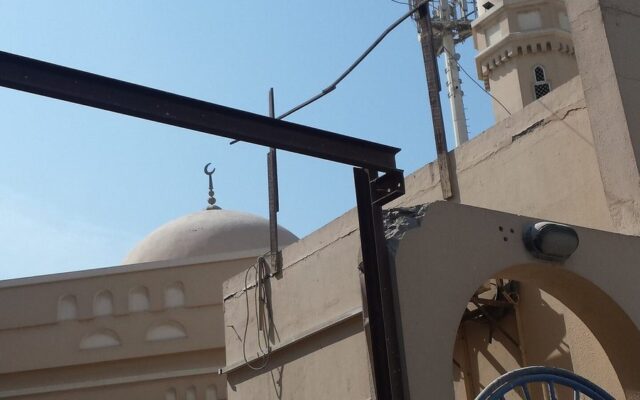
Social media groups and messaging groups for West Africans in the UAE are another practical route to housing tips, job leads and social events. Faith is a strong connector too: Guinea is a majority-Muslim country, and Dubai’s mosques and Friday gatherings are welcoming places to meet people, while Christian Guineans will find churches of many denominations holding services across the city, some with French-language congregations. As with any city, take normal care with groups you join online and meet new contacts first in public places.
A Taste of Home: Food and Ingredients
Guinean cooking — rice dishes with rich sauces such as sauce arachide (peanut sauce), leaf-based sauces, grilled meats and fish, and dishes built around fonio, cassava and plantain — relies on ingredients that Dubai’s international food trade supplies surprisingly well. African grocery shops in Deira and other trading districts stock items such as:
- Plantains, cassava, yam and sweet potato
- Dried and smoked fish, and dried okra
- Palm oil, peanut paste and ground peanuts
- Fonio and other West African grains, when in stock
- Scotch bonnet and other hot chillies, fresh or dried
Stock varies, so it pays to ask shopkeepers when shipments arrive and to buy pantry staples when you see them. Larger supermarkets and online grocers in Dubai also carry plantain, cassava and a growing range of world foods. West African restaurants in the older parts of the city serve jollof, grilled fish and sauce-based rice dishes that, while not always specifically Guinean, come close enough to comfort food when homesickness strikes. Cooking at home with friends remains the surest way to eat exactly the food you grew up with — and a good excuse to gather people.
📸 Follow @dxbtalk1 on Instagram for daily Dubai in photos →
Everyday Life: Practical Comforts
Dubai is easy in many ways for Guinean residents: halal food is everywhere, the city is safe, and remittance and travel services to West Africa are well developed. The adjustments are familiar to most newcomers — the summer heat, the cost of housing, and being far from family. Many Guineans choose shared accommodation or rooms in areas such as Deira, Bur Dubai, Al Nahda or International City to keep rents manageable, typically spending around AED 800 to AED 2,500 a month as a guide for a room or bed space, depending on area and quality. Learning some Arabic greetings and improving English both help at work, while French remains an asset in trading and customer-facing roles.
Celebrations matter. Eid is a public holiday period in the UAE, which makes family-style celebration easier, and community gatherings around Guinea’s Independence Day on 2 October are often organised informally through community groups. Keep an eye on community noticeboards and group chats in the weeks before.
Staying Connected to Guinea
Regular calls home are cheap through internet calling apps permitted in the UAE and through calling cards and bundles from UAE telecom providers — check which apps currently work, as the list changes. For paperwork, family visits and emergencies, keep your passport valid and your consular information current by checking official Guinean government channels and the UAE portals for any registration or document services available to citizens abroad.
FAQ
Is there a Guinean neighbourhood in Dubai?
Not a single defined one. Guineans connect mainly through the wider West African and Francophone community, with Deira a common starting point for African shops, food and contacts.
Can I find Guinean food ingredients in Dubai?
Yes, many staples — plantain, cassava, palm oil, dried fish, peanut products and chillies — are sold in African grocery shops, though stock varies. Ask shopkeepers about delivery days for the freshest choice.
How do Guineans in Dubai meet people?
Through mosques and churches, work, West African social media and messaging groups, and the shops and restaurants of the trading districts. Community celebrations and national day gatherings are also good entry points.
For more practical guides to money, paperwork and everyday life in the Emirates, keep exploring DXB Talk and browse the Lifestyle section for related step-by-step help written for residents.