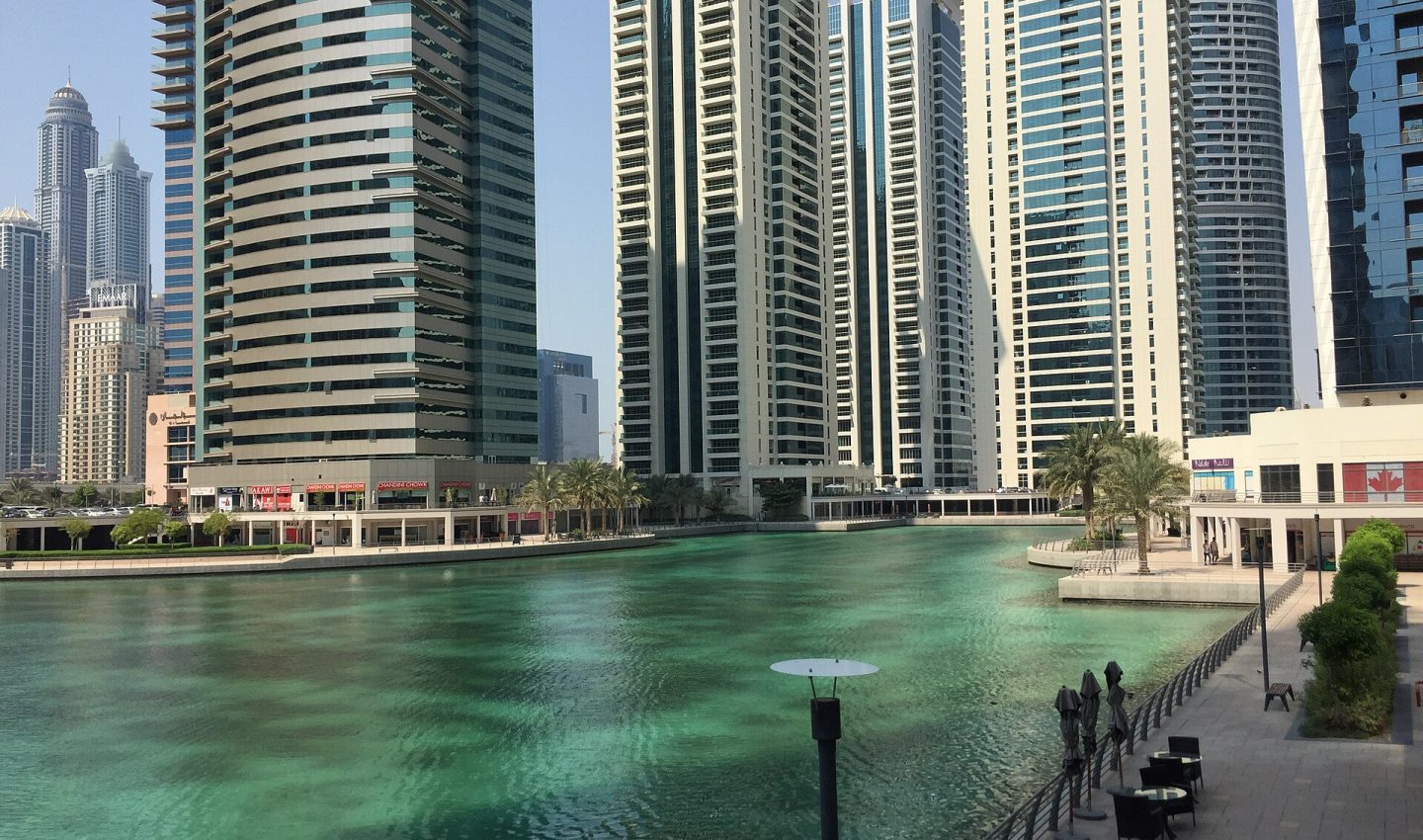
Ask a Dubai coffee obsessive where the city’s most interesting café scene is, and the answer is increasingly JLT. Jumeirah Lake Towers was built as a residential cluster of towers around man-made lakes — and almost by accident, that layout created perfect café conditions: ground-floor units in dozens of clusters, a walking population of residents and office workers, lake promenades made for a morning flat white, and rents low enough for independents to take risks the malls never allow. This guide maps the scene cluster by cluster, explains what to order, and gives you the honest prices.
Why JLT Works for Coffee
Most of Dubai’s café geography is mall-based or destination-based. JLT is neither: it is a neighbourhood. The clusters — each named with a letter, each wrapped around the lakes or the park — hold a mix of apartments, offices, salons, gyms and small restaurants, and coffee is the glue. On a winter morning the promenades fill with residents walking dogs, freelancers claiming the good tables, and parents post-school-run. That daily rhythm is exactly what specialty coffee needs: regulars who can taste the difference.
The other ingredient is value. A specialty flat white in JLT typically runs AED 18–24, a few dirhams below the DIFC and Downtown equivalents, and the cafés compete on beans and barista skill rather than on chandeliers.
How to Read the Clusters
You do not need to memorise the alphabet. A few anchors orient the whole map:
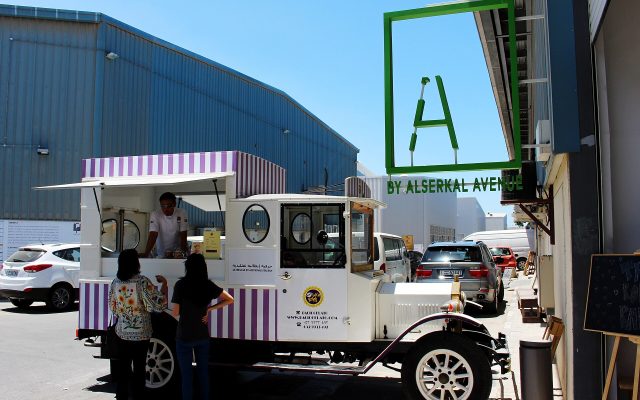
- The lake clusters (including D, T and Y): the promenade-facing cafés here are the morning spots — order, sit outside in season, watch the lake. Friends Avenue Café, one of JLT’s best-known independents, built its following on exactly this formula: good coffee, proper breakfasts, no fuss.
- The park side: clusters near JLT Park suit families and laptop sessions — bigger interiors, quieter afternoons.
- The metro-edge clusters: near DMCC and Sobha Realty stations you get the commuter-grade places — fast, consistent, open early.
Within any cluster, the tell of a serious coffee spot is the same as anywhere: beans from a named roaster, a short menu, a grinder that gets adjusted through the day, and milk textured to order rather than steamed to death.
Free Dubai Tools
Dubai, in Your Hands
📸 Follow @dxbtalk1 on Instagram for daily Dubai in photos →
The Roasters and the Coffee Culture
JLT’s scene leans on Dubai’s wider roastery network — the beans in your cup were very likely roasted across town in Al Quoz or Jebel Ali by one of the city’s specialty roasters, and the better JLT cafés rotate single origins and will happily tell you what is on the bar. Ask. A café that can talk about its Ethiopian from its Brazilian, and offers a V60 or Chemex alongside the espresso menu, is playing the specialty game properly.
Also worth knowing: JLT has quietly become a remote-work stronghold. Many cafés offer decent Wi-Fi, plug points and an unspoken tolerance for a two-hour stay on one coffee — though the decent etiquette is one drink per hour, and the best seats (lake-facing, near plugs) go by 9am on weekdays.
What to Order, What It Costs
- Espresso and flat white: AED 16–24 — the benchmark drinks; judge a new place on these.
- Pour-over / filter: AED 24–35 for single-origin brews — where the roasters show off.
- Spanish latte and the sweet signatures: AED 22–28 — Dubai’s beloved condensed-milk twist is everywhere here.
- Breakfast plates: AED 40–70 at the sit-down cafés — JLT does a strong, fairly priced café breakfast.
- Beans to take home: AED 55–85 per 250g bag at the serious spots — fresher than supermarket beans by weeks.
A JLT Coffee Walk, Done Right
Start at the DMCC metro side in the cool of the morning, walk the promenade with a first flat white, and let the lakes set the pace. Pick one café to sit in properly — breakfast, a second coffee, the laptop or the book. By late morning, drift to a second cluster for a pour-over and a bag of beans to take home. In summer, invert it: interiors, air conditioning, and the promenade only after sunset, when the clusters light up and the terraces fill again.
Parking, if you drive, is the one friction: cluster parking fills fast, so the metro or a Careem to the cluster edge is the local’s move. And if you fall for the neighbourhood — many do — JLT’s combination of rents, lakes and coffee is exactly why it keeps topping resident-satisfaction lists.
Frequently Asked Questions
Does JLT have specialty coffee or only chains?
Both, but the independents are the story: resident-loved cafés like Friends Avenue, roaster-driven menus and filter bars sit alongside the chains, and the cluster layout means you are rarely more than a few minutes’ walk from a properly made flat white.
How much is a coffee in JLT?
Expect AED 18–24 for a specialty flat white, AED 24–35 for a single-origin pour-over, and AED 55–85 for a 250g bag of beans — generally a little cheaper than Downtown or DIFC equivalents.
Can I work from JLT cafés?
Yes — JLT is one of Dubai’s most laptop-friendly districts. Many cafés have Wi-Fi and plugs; the unwritten rule is to keep ordering (roughly a drink an hour) and to avoid the breakfast rush if you plan to stay long.
When is the best time to visit JLT’s cafés?
Winter mornings on the promenade are the classic experience. Weekday mornings are lively but manageable; weekend brunches fill the sit-down cafés by 10am.
JLT never set out to be a coffee destination — it just built the streets, the lakes and the regulars, and the coffee followed. Cross town for it once, and you will understand why residents rarely bother going back the other way.
DXB FACT — DID YOU KNOW?
Snow in the middle of the desert
- Ski Dubaithe Middle East's first indoor ski resort
- Real snow22,500 m² of it
- Inside temperature−1°C to −4°C, all year
- Slopes5 — including an indoor black run
Source: The National
A new Dubai fact every dayRead more »
Reader poll
Poll of the Day
A fun reader poll, just for curiosity — not an official survey. A new question arrives every day.