

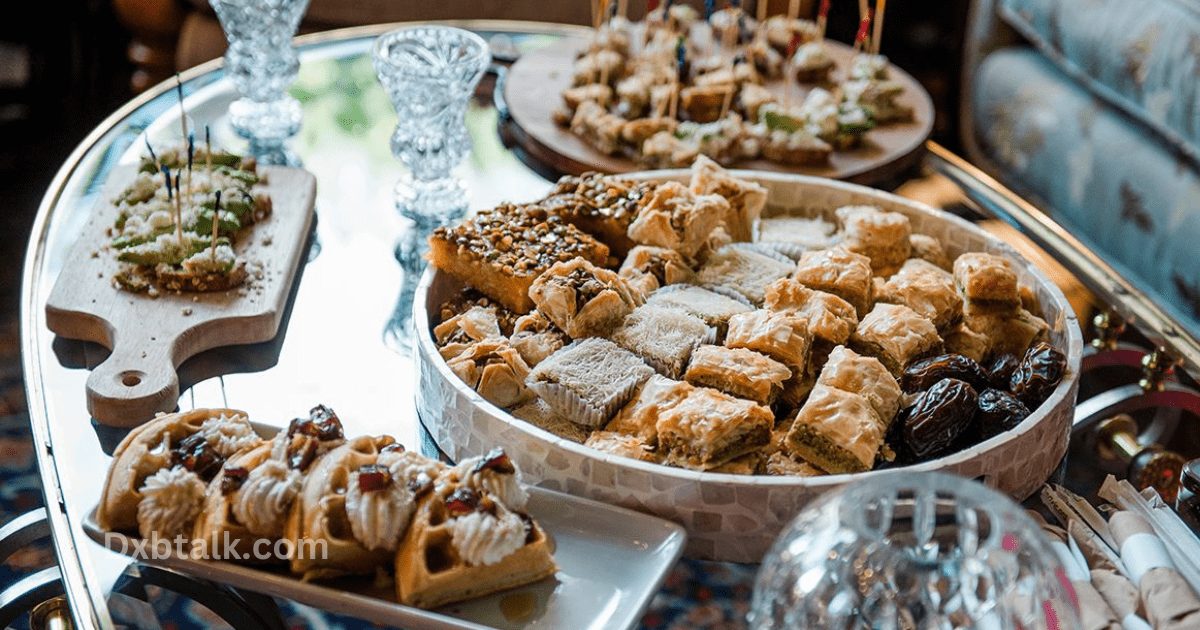
You could eat in Satwa for a month without repeating a country. This compact, characterful neighbourhood near the old city compresses Dubai’s multicultural story into a few delicious streets — Pakistani karahis, Indian sweets, Lebanese flatbreads — served by family-run restaurants that cook first for their own communities and let the rest of us be grateful guests. A culinary tour here is not a gimmick. It is the most efficient food education in Dubai.
The Pakistani Anchors
Begin where Satwa’s reputation begins. Al Ibrahimi Restaurant is known for authentic Pakistani cooking — biryanis, kebabs and karahi beloved by locals, served with the confidence of a kitchen that has nothing to prove. Karachi Darbar is the hearty counterpart, famous for generous portions and home-style cooking, the kind of place where the table fills faster than you can order. And then there is Ravi Restaurant, the neighbourhood’s staple and Dubai’s worst-kept secret: flavourful dishes, a friendly room, prices that belong to another era of the city. Ravi’s is the must-visit, the name every Satwa tour eventually bends toward.
The Indian Sweet Stop
Bikanervala covers the other craving: a well-known name for Indian sweets and savoury snacks, perfect for a quick bite between courses or a box of something sweet to end the evening. In a neighbourhood of heavy hitters, Bikanervala is the light interlude — chaat, snacks and mithai, eaten standing or taken home for later, if later survives the walk.
📸 Follow @dxbtalk1 on Instagram for daily Dubai in photos →
The Lebanese Turn
Zaatar w Zeit brings Lebanon to the table, famous for its manakish — the traditional flatbread topped with zaatar and olive oil — ideal for breakfast or a light lunch between the neighbourhood’s richer offerings. It is the tour’s change of key: herbs and olive oil after spice and smoke, proof that Satwa’s range runs in every direction at once.
Why Satwa Tastes Like This
The secret is not technique; it is audience. Satwa’s restaurants are largely family-owned, cooking the food of home for people who would notice instantly if it slipped. Recipes pass down generations, portions answer to neighbourhood appetites and budgets, and the stories behind the dishes are the community’s own biography — migration, work, celebration, return visits. That is why the flavours stay honest while trendier districts chase concepts. Whether you come for a casual lunch or assemble the full tour for dinner, Satwa offers the richest square kilometre of eating in Dubai — a neighbourhood that tastes like the world because, in miniature, it is.
Building the Tour: One Evening, Five Stops
Assemble it in the order the neighbourhood suggests. Open at Zaatar w Zeit with a manakish if you arrive early — the light first course. Move to Al Ibrahimi or Karachi Darbar for the Pakistani centre of the meal, karahi and kebabs shared across the table. Let Bikanervala reset the palate with something savoury-spiced, then something sweet. And give Ravi’s the final word, because a Satwa tour that does not end at its most famous table has skipped the headline. Walk between stops — the distances are short, the streets are the entertainment between courses, and appetite, carefully managed, is the only ticket the tour requires.
A Note on Manners and Money
Satwa’s restaurants are neighbourhood institutions, not theme venues, and they reward neighbourhood manners: greet, be patient at the busy hour, share tables graciously when the room is full. Prices sit at the honest end of Dubai, which makes generosity easy — order the extra dish, take sweets home for someone. The community feeds visitors the way it feeds itself, and the correct response is appetite plus appreciation, in that order.
Go in the early evening, when the ovens are at full voice and the dining rooms fill with the neighbourhood itself — workers finishing shifts, families settling into the big tables, the whole cross-section of Satwa eating at once. Order one dish beyond your plan. In Satwa, the unplanned dish is so reliably the best one that regulars have stopped calling it luck and started calling it method.




