

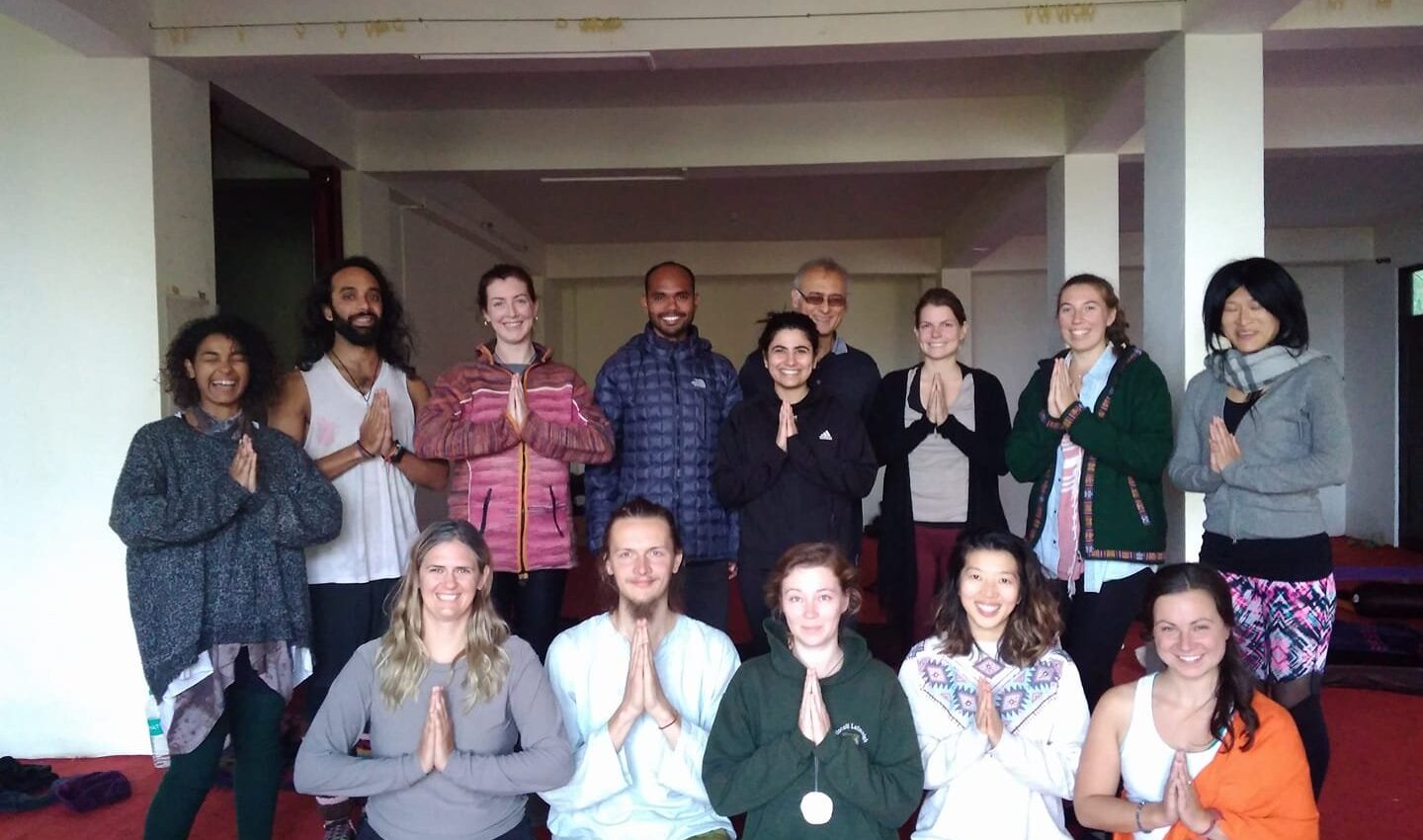
Dubai’s yoga scene is deep — beach classes at sunrise, studios in JLT, Al Quoz and Jumeirah, and a large community of teachers. For practitioners who want to teach, the standard first step is a 200-hour yoga teacher training, known as a YTT. Studios across the city run these courses in intensive and part-time formats, and graduates leave with the foundations to lead safe, well-structured classes. But a certificate is the beginning of teaching, not the end of training, and courses vary in style, depth and quality. This guide explains how 200-hour training works, the role of Yoga Alliance, and what happens after graduation.
What a 200-Hour Course Covers
A well-structured 200-hour training is usually organised around five strands. Technique and practice covers the postures themselves, alignment, modifications and the main styles the school teaches. Teaching methodology addresses sequencing, cueing, demonstrating, adjusting students safely and managing a room. Anatomy and physiology focuses on how bodies move, common limitations and injuries, and how to keep students safe. Philosophy and lifestyle introduces yoga’s history and ethical framework, typically including meditation and breathing practices. Finally, the teaching practicum has trainees leading practice classes, assisting experienced teachers and receiving feedback. Before enrolling, ask for the syllabus breakdown by hours and who teaches each strand — an anatomy module taught by a qualified professional, for example, is a good quality signal. Most schools expect applicants to have a regular personal practice already, often for a year or more.
Formats: Intensive or Part-Time?
Dubai studios typically offer two shapes of training. Intensive courses run full-time over roughly three to five weeks, suiting people who can step away from work — career changers, or residents between jobs. They create an immersive experience where trainees practise, study and teach daily. Part-time courses spread training over several months of weekends and some evenings, designed for people keeping their jobs. They allow ideas to settle between modules and let trainees build teaching confidence gradually, though momentum needs self-discipline. Hybrid formats with some online theory exist too. Neither shape is inherently better; honesty about your schedule and energy matters more. Ask about maximum group size, because practicum feedback is diluted in very large cohorts, and whether missed sessions can be made up, which matters greatly in part-time formats.
Yoga Alliance and Accreditation Explained
Many Dubai schools register their trainings with Yoga Alliance, the international registry whose standards the 200-hour format broadly follows; graduates of registered schools can typically register themselves as RYT 200 teachers. It is worth understanding what this is and is not. Yoga Alliance registration is a directory and standards framework, not a government licence, and no law in most places requires it — but many studios, gyms and insurers in Dubai and internationally ask for it, or for equivalent training, when hiring. Arrangements and standards are set by Yoga Alliance and can change, so check its current requirements directly if registration matters to you. Equally important is the school’s own reputation: lead trainers’ experience, graduate outcomes and how the local teaching community regards the programme. A respected school with experienced trainers matters at least as much as the registry logo.
📸 Follow @dxbtalk1 on Instagram for daily Dubai in photos →
Costs and What to Check Before Booking
Two-hundred-hour courses are a significant purchase. Fees vary by studio, format and what is included — manuals, mats, additional class passes during training — and early-bird and payment-plan offers are common, so confirm the full cost and refund terms before committing. Useful checks include:
- Lead trainers’ teaching experience and whether they teach the majority of hours
- How many hours of real teaching practice, with feedback, each trainee gets
- Group size and the style or styles of yoga the training focuses on
- Graduate support: mentoring, community classes or assisting opportunities
- Whether the school is currently registered with Yoga Alliance, if that matters to you
Attend the lead trainer’s public classes before enrolling. You will spend hundreds of hours learning their approach, and liking how they teach is not a small thing.
Teaching Afterwards: The Realistic Path
New graduates rarely walk straight into prime-time studio slots. The common path runs through assisting, covering classes, teaching community or donation classes, corporate sessions, private clients and gym timetables, building hours and confidence over the first year. Dubai’s demand helps: hotels, gyms, corporate wellness programmes and private clients all hire teachers, and schools often give their own graduates first chances to cover. Insurance, and the business arrangements for freelance teaching, are things to arrange properly — ask your school for guidance on current local practice. Many teachers continue to 300-hour advanced training later, or specialise in areas such as prenatal yoga, yin or yoga for athletes. Choose your 200-hour as a foundation with teachers you respect, teach as much as you can afterwards, and the qualification becomes what it should be: the start of a teaching life, not a framed endpoint.




