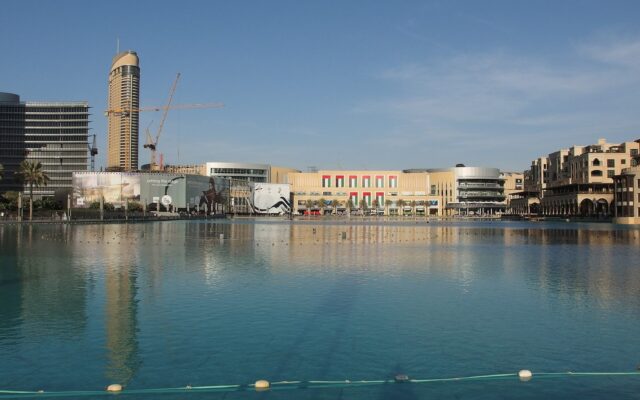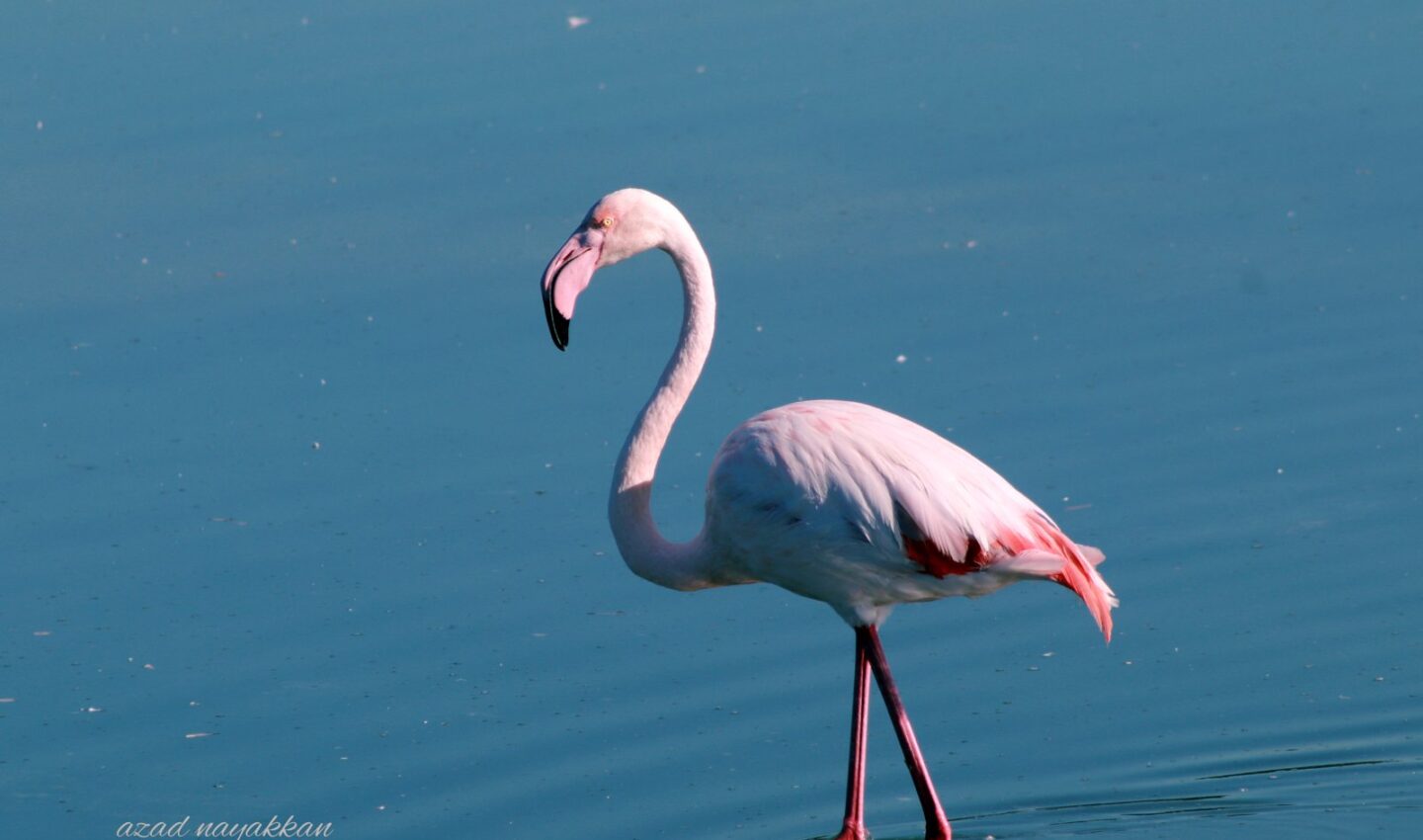
Fifteen minutes from Downtown’s towers, at the top of Dubai Creek where the water gives up and turns to mudflat and mangrove, there is a place where the city’s soundtrack cuts out and is replaced by the calls of wading birds. Ras Al Khor Wildlife Sanctuary is one of Dubai’s genuine wonders, and winter mornings are when it performs best: the greater flamingos are here in their largest numbers of the year, the light is low and golden, and the viewing hides — which are completely free — put you close enough to watch a flamingo’s knees bend backwards without a single other person jostling your elbow.
Why Winter, Why Morning
Flamingos can be seen at Ras Al Khor for much of the year, but the winter months, roughly November to March, are when the flocks swell with migrants and the birds wear their deepest pink — a colour they get from the algae and tiny crustaceans in the creek’s shallows. Numbers vary from week to week, but in a good winter spell the main lagoon holds a shifting, honking carpet of them, heads down, sieving the mud in slow sideways steps.
Morning is the hour to come for three reasons. The light is on the birds rather than behind them, the reserve is at its coolest and quietest, and the flamingos are at their most active, feeding steadily after the night. Sanctuary staff also feed the flamingos at set times, which draws the flock obligingly close to the Flamingo Hide — feeding times change, and are often in the mid-morning and again in the afternoon, so treat any published time as a guide and be prepared to simply enjoy the natural feeding if your visit does not coincide.
The Three Hides
The sanctuary is protected, fenced and deliberately low-key. You cannot wander the mudflats; instead, three wooden viewing hides, reached by short boardwalks, are positioned around the reserve, and entry to all of them is free. Hide opening hours shift with the season and the day of the week, so check the current times before you set out — in the winter season the hides are generally open through the main part of the day, and the reserve has traditionally closed on Fridays, though you should confirm rather than assume.
- Flamingo Hide: the headline act, on the Oud Metha side near the sanctuary entrance, looking across the lagoon to the main flock with the skyline behind.
- Mangrove Hide: a quieter angle among the mangroves, good for herons, egrets and smaller waders in the channels.
- Lagoon Hide: off Ras Al Khor Road on the Festival City side, wide views across the open water and mud.
Inside, the hides are simple: benches, long viewing slits, silence requested and mostly kept. Fixed binoculars are sometimes available, but bring your own if you have them — and a camera with any kind of zoom will earn its keep. Even a phone, through the hide’s viewing scopes or simply held steady, comes away with the classic Dubai photograph: pink flamingos in the foreground, glass towers soft behind them.
📸 Follow @dxbtalk1 on Instagram for daily Dubai in photos →
More Than Flamingos
Spend an hour working all three hides and the supporting cast makes itself known. Grey herons stalk the channel edges like patient grey statues. Black-winged stilts pick their way through the shallows on impossible legs. You may see avocets sweeping their upturned bills, ospreys circling above the creek, reef herons, egrets of two or three kinds, and — in the mangroves — flashes of kingfisher. Winter brings the richest variety, as migrants from as far as Central Asia join the residents. This is a Ramsar-listed wetland, internationally recognised, sitting quietly at the end of a motorway interchange; the incongruity never quite wears off.
Making a Morning of It
There are no cafés inside the sanctuary, and that is part of its character — this is a hide, a boardwalk and the birds, nothing sold and nothing staged. Plan a morning of about sixty to ninety minutes across the hides, then take breakfast afterwards: Dubai Festival City’s creekside cafés are a few minutes from the Lagoon Hide, and the Al Jaddaf and Culture Village boardwalks, just across the water, make a natural gentle walk to follow. Birdwatchers happily stretch the visit longer, especially on a weekday when the hides are near empty.
Practical Notes
Entry is free, and small car parks sit beside each hide. Dress quietly — literally: soft colours and soft voices keep birds closer, and children do brilliantly here when the hide game of whispering is explained in advance. There is little shade outside the hides, another reason winter mornings suit best. No food or drink beyond water is allowed in the hides, and drones are not permitted over the reserve. Above all, do not rush it. Give the lagoon ten still minutes and it starts to move: wings opening, flocks reshuffling, a heron striking at a fish. In a city famous for building spectacles, Ras Al Khor is the spectacle that was here first — and on a clear winter morning, it is the best seat in Dubai.