There is a particular kind of Dubai Saturday that only exists in winter: up early, coffee in hand, children in the buggy or on scooters, wandering between market stalls while the air is still cool. Outdoor markets are made for this season — too hot to enjoy for much of the year, they run at full stretch from late autumn to early spring, and for many families the market morning becomes the anchor of the weekend. Here is how to build the ritual with kids in tow.
The headline act: the Ripe Market
The Ripe Market is the name most Dubai parents know. Its best-known winter home is the outdoor season at the Dubai Police Academy park in Al Sufouh, where rows of stalls spread across the lawns, typically on weekend mornings and into the afternoon — check the current season’s days and opening times before you go, as the schedule shifts year to year. Expect organic vegetables, local honey, fresh bread, flowers, small-batch sauces and a long line of craft and homeware stalls, plus food trucks and coffee stands.
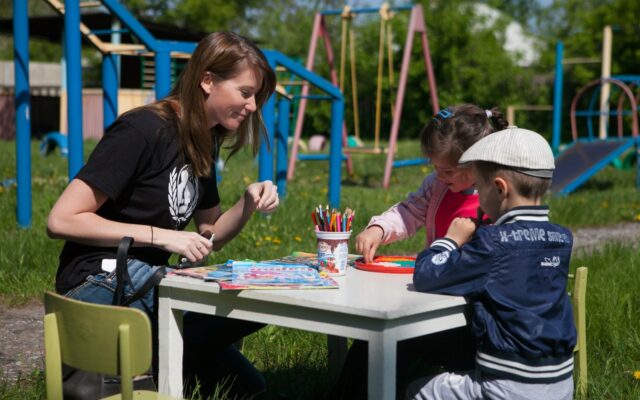
For children, the appeal is the park itself as much as the shopping: there is grass to run on, often pony rides, a petting corner or animal encounters, play areas and space for bikes around the edges. Families who do it well treat the market as half shopping trip, half park morning, and let the children set the pace between the two.
Smaller farmers’ stalls and community markets
Beyond the big name, winter brings a crop of smaller markets. Community farmers’ markets pop up in neighbourhoods such as Business Bay and various residential communities, selling UAE-grown produce from farms in Al Ain, Fujairah and the northern emirates — winter is peak growing season here, so expect aubergines, tomatoes, herbs, leafy greens and strawberries that genuinely taste of something. Bakeries run stalls of sourdough and croissants, and there are usually a few food stands doing breakfast well.
These smaller markets suit families who find the big one overwhelming: arrive, coffee, a bag of vegetables, children sampling melon and dates, home within the hour. Dates, by the way, are the ideal market buy with kids — every stallholder offers a taste, and children take the choosing very seriously.
📸 Follow @dxbtalk1 on Instagram for daily Dubai in photos →
Timing and tactics with children
- Go at opening. The coolest, calmest hour is the first one. Parking is easier, stallholders are fresh, and the best produce goes early.
- Breakfast first, shopping second. Feed children at the food stalls before you attempt the vegetable run; nobody negotiates broccoli on an empty stomach.
- Bring small cash as well as cards. Most stalls take cards now, but small notes speed up the little purchases and the kids’ pocket-money stalls.
- Give children a job. A list to tick off, a bag to carry, a budget of a few dirhams for one chosen thing — a mission turns a drag-along into an expedition.
- Dress for grass. Lawns can be damp with dew or irrigation early on; trainers beat sandals, and a light layer beats both by 11am when it warms up.
What to buy (and what to skip)
Winter is when local produce shines, so build the week’s cooking around it: salad leaves and herbs that were cut days ago rather than flown in, Emirati honey, farm eggs, freshly baked bread and pastries for Sunday breakfast, and flowers that cost a fraction of florist prices. Craft stalls are strong on children’s clothes, wooden toys and natural skincare — good for gifts. Be more selective with anything perishable if you are staying out for hours afterwards; a cool bag in the car boot keeps the market haul happy on the drive home.
Making it a ritual, not an errand
The families who love market mornings protect them. Same morning each week, same coffee stall, children who know the honey man and the bread lady by sight. In a city that can feel transient, that small weekly rhythm is worth more than the shopping. And when the season ends and the markets retreat indoors or close until October, you will find the ritual has quietly carried your family through the whole of Dubai’s best weather — one Saturday at a time.