

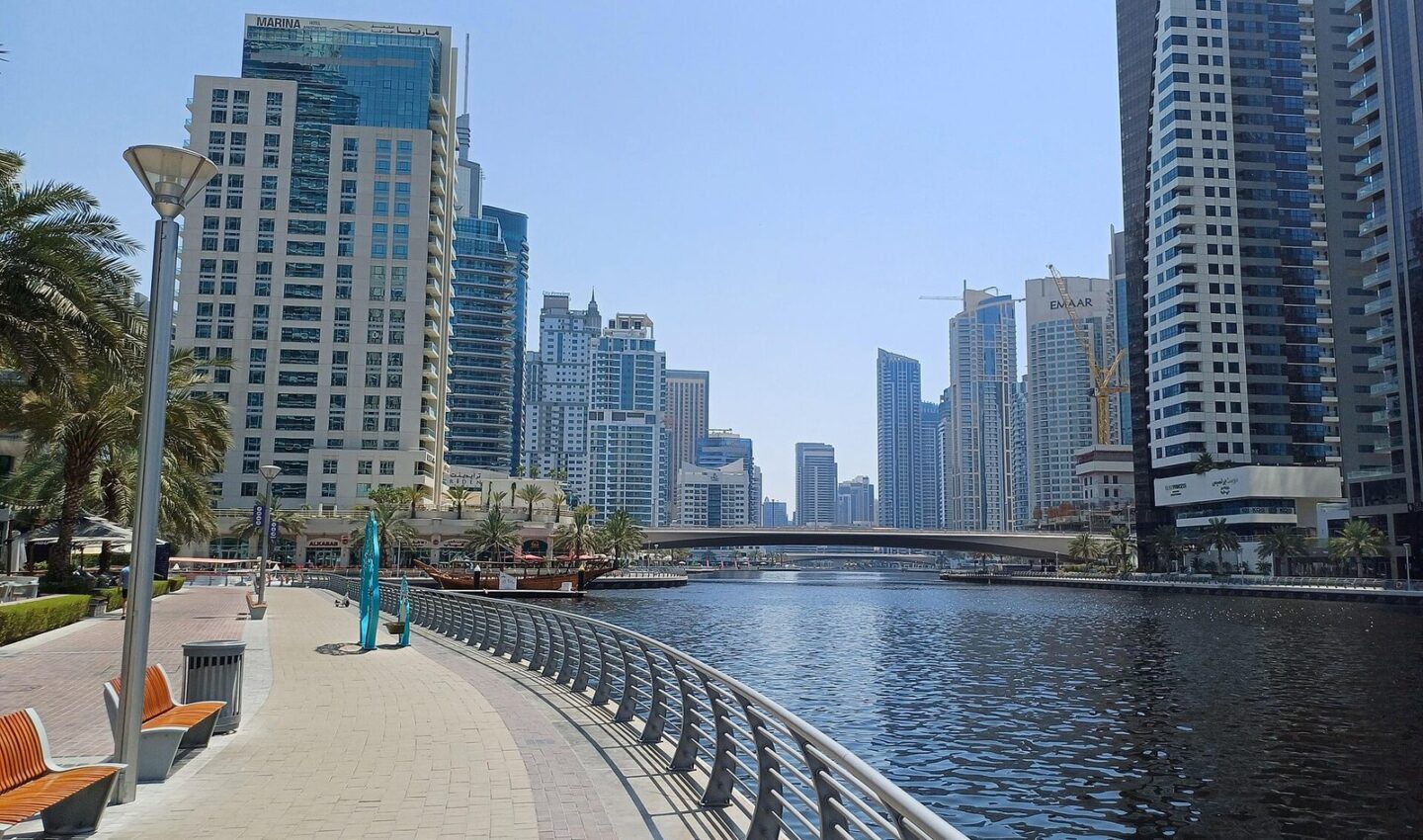
If you hold a Grenadian passport and are thinking about Dubai — for a holiday, a job or a longer stay — the visa rules are the first thing to pin down. The UAE sets entry rules by nationality, and they can change, so the safest approach is to understand how the system works, then verify the current rules for Grenadian citizens on the official UAE government portal and with the airline or sponsor before you travel. This guide explains the main routes: visiting, working and living in Dubai.
Visiting Dubai as a Grenadian Citizen
Depending on the rules in force, citizens of some Caribbean countries can obtain a visa on arrival, while others must arrange a visa before travelling through an airline, hotel, travel agency or UAE-based sponsor. Because Grenada’s exact status can change by agreement between governments, never rely on an old forum post or a friend’s experience from a different passport. Check these official sources close to your travel date:
- The UAE government portal (u.ae) for visa and entry information
- The Federal Authority for Identity, Citizenship, Customs and Port Security (ICP) website and smart services
- Your airline’s visa information page — airlines check your documents before boarding and apply current rules
- The UAE embassy or consulate serving Grenada, and Grenada’s own foreign ministry guidance for travellers
Standard visit visas in the UAE are commonly issued for 30 or 60 days, sometimes with extension options, and overstaying carries daily fines. Your passport generally needs at least six months’ validity. If you plan to look at job opportunities while visiting, remember that working on a visit status is not permitted — employment requires a proper work permit and residence visa arranged by an employer.
Working in Dubai: Permits and Residence Visas
The normal route to work in Dubai is sponsorship by a UAE employer. The employer applies for your entry permit and work permit, and after you arrive you complete a medical fitness test and Emirates ID registration, which leads to your residence visa. Key points to know:
- You cannot legally start work before your permit is issued — a reputable employer will never ask you to work on a visit visa.
- Your residence is tied to your employment; if the job ends, your visa is normally cancelled and you receive a grace period to change status or leave.
- Educational certificates often need attestation before a work permit is approved for professional roles.
- Employers must provide health insurance in Dubai, and your contract should be registered with the Ministry of Human Resources and Emiratisation (MOHRE) for mainland roles.
Fees for work permits and visas are legally the employer’s responsibility in most cases — be cautious of any recruiter who asks you to pay large sums for a visa, and verify recruitment agencies are licensed.
📸 Follow @dxbtalk1 on Instagram for daily Dubai in photos →
Living in Dubai Long Term: Other Visa Routes
Beyond employer sponsorship, the UAE offers several residence routes that may suit Grenadian citizens with the right profile. These include family sponsorship (a resident meeting the salary threshold can sponsor a spouse and children), student visas through UAE universities, property-linked residence for qualifying investors, and long-term options such as the Golden Visa for specified categories of investors, professionals and outstanding students. Freelance permits are available through various free zones for media, education, consultancy and tech activities, allowing self-sponsored residence for eligible professions. Each route has its own salary, investment or qualification conditions, and the details are updated periodically — the official UAE portal and ICP smart services publish the current criteria, and a consultation with a licensed UAE immigration or business setup advisor can confirm your eligibility before you commit money.
Extending, Changing Status and Avoiding Fines
If you are in the UAE and your plans change, act before your current status expires. Depending on your visa type, you may be able to extend a visit visa, apply for a change of status to a residence visa after securing a job, or exit and re-enter under a new permit. Grace periods after visa cancellation or expiry vary by category. Fines for overstaying accrue daily and unresolved fines can block future travel, so check your status through the ICP smart services platform or a typing centre whenever you are unsure. Keep copies of your entry permit, visa and Emirates ID application from day one — they answer most questions officials will ever ask.
FAQ
Do Grenadian citizens get a visa on arrival in the UAE?
Entry arrangements for Grenadian passport holders can change, so confirm the current rule on the official UAE government portal, the ICP website or with your airline shortly before travelling. Never assume a visa on arrival without checking.
Can I work in Dubai on a visit or tourist visa?
No. Employment requires a work permit and residence visa sponsored by a UAE employer or a valid freelance permit. Working on a visit status can lead to fines and penalties for you and the company.
How long can I stay after my residence visa is cancelled?
Grace periods depend on your visa category and are set by the authorities. Check your personal status and last day to stay through the ICP smart services as soon as a job ends or a visa is cancelled.
Visa rules reward those who check the official sources and keep their paperwork clean — do that, and Dubai is straightforward to enjoy. For more plain-English explainers on visas, Emirates ID and settling in, visit DXB Talk and browse the Dubai archive.





