

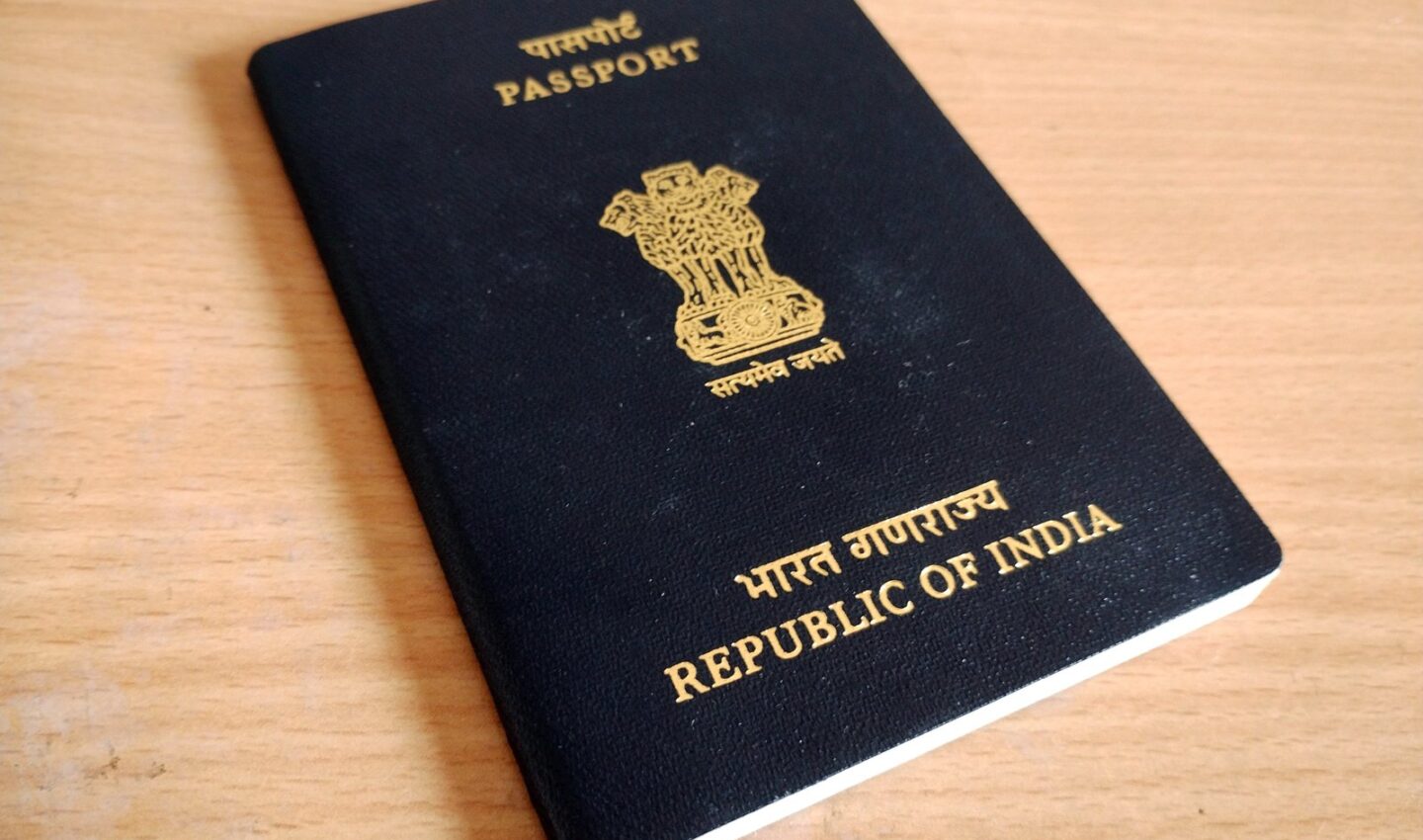
Indian nationals who reside in the United Kingdom qualify for the UAE visa on arrival — the UK sits alongside the US and the EU on the list of jurisdictions whose residents the UAE admits under this facility. The catch is in the word ‘reside’: it means a genuine UK residence status, not a UK visit visa.
With the UK’s move from physical BRP cards to digital eVisa status, what you show at a Dubai or Abu Dhabi counter has changed too. Here is how to present your UK status so it is accepted first time.
What counts as UK residence — and what does not
Qualifying statuses are the residence ones: Indefinite Leave to Remain, a spouse or partner visa, a skilled worker or other long-term work visa, a student visa, refugee status and similar grants that make the UK your home. A Standard Visitor visa — even a 5 or 10-year multiple-entry one — is not residence, and officers do refuse travellers who present it as such.
Since BRPs were replaced by eVisas, your status lives in your UKVI account. Officers abroad cannot open that account, so travel with the strongest physical evidence you have: your most recent BRP if you still hold one (even recently expired cards help show the pattern), a printed share-code page, and any Home Office grant letter. The goal is to make your status obvious in thirty seconds.
- Share codes are time-limited and designed for UK employers and landlords; a screenshot may not satisfy a border officer, which is why paper grant letters still earn their place in your folder.
- If your UK status is in a previous passport, carry that passport as well.
- EU Settlement Scheme status held by an Indian national counts as UK residence — carry the same evidence pack.
How the arrival process works
There is no application to file before you fly: eligibility is decided at the immigration counter on landing. Join the normal immigration queue with your passport and supporting documents ready, and tell the officer you are entering on the visa on arrival facility for Indian nationals holding a qualifying US, UK or EU status.
The officer verifies the qualifying visa or residence in the system, and the entry permit is stamped or issued electronically on the spot. Keep the payment receipt and note the exact expiry date of your permitted stay before you leave the counter — every later extension, fine or status question is counted from that date.
📸 Follow @dxbtalk1 on Instagram for daily Dubai in photos →
Documents to have in hand at the counter
- Indian passport valid for at least six months beyond your arrival date
- The qualifying US visa, green card or UK/EU residence permit, valid on the day you land
- A confirmed return or onward ticket within your permitted stay
- Hotel booking or the address and contact details of your host in the UAE
- Travel insurance covering your stay (strongly recommended; mandatory for some extensions)
- A payment card for the entry fee — cash desks are not guaranteed at every terminal
What happens if the officer wants a closer look
A referral to secondary inspection is a process, not a verdict: an officer reviews the documents in more depth, sometimes phones your host or hotel, and occasionally waits for a system response from another authority. It can take twenty minutes or two hours, and it ends in an entry stamp far more often than in a refusal. The travellers who come through it best are the ones whose documents were already organised — the inspection is, in effect, the checklist in this guide being read back to you slowly.
If you are travelling onward the same day, tell the officer early: a recorded onward connection concentrates minds on both sides of the counter, and where discretion exists it is exercised for passengers whose paperwork and timings are visibly in order.
Mistakes that catch Indian applicants out
The same avoidable errors recur across thousands of files. These are the ones that attach to this route most often:
- Presenting a long-term UK visit visa as ‘residence’ — the single most common UK-side refusal reason under this facility.
- Relying entirely on opening your UKVI account on airport Wi-Fi; connections fail, accounts lock, and the queue behind you grows.
- Letting your passport drop below six months’ validity because the UK side never asked for it — the UAE requires it regardless.
Questions Indian applicants ask
My BRP expired when eVisas started but my status is valid. Will I be refused?
Travellers in exactly this position enter routinely when they carry grant letters and printed status evidence. The risk is delay, not automatic refusal — budget time and keep the documents in hand luggage.
Does an Irish residence permit work the same way?
Ireland is not in the EU residence system for this purpose in the same way, and treatment varies; if Ireland is your only status, arrange a pre-arranged visa rather than relying on the facility.
Before you apply
Visa rules, fees and eligibility for Indian citizens change with little notice, and the version that applies to you is the one in force on the day you apply. Before paying anyone or booking non-refundable travel, verify the current requirements on the official portals — the Federal Authority for Identity, Citizenship, Customs and Port Security (ICP) at icp.gov.ae and, for Dubai-issued visas, the GDRFA — or through the airline or Amer centre handling your application.





