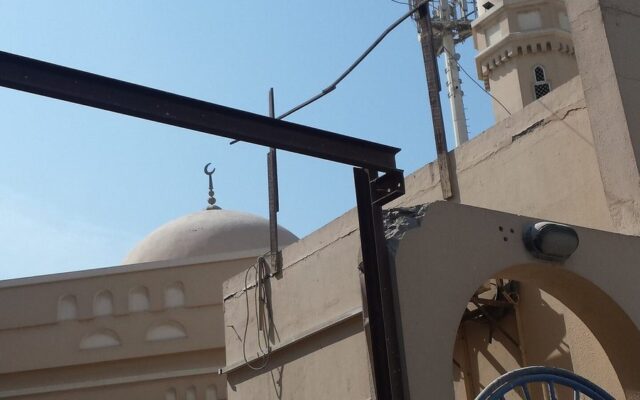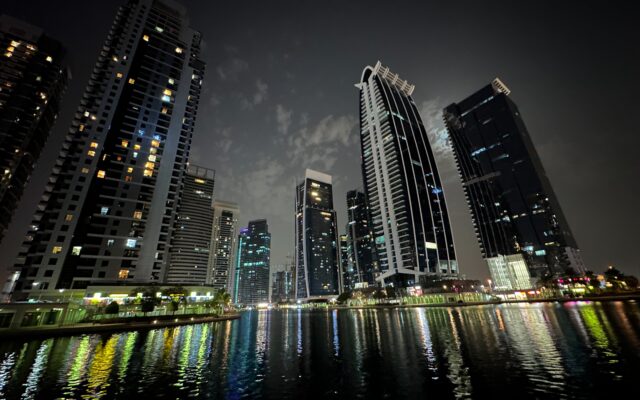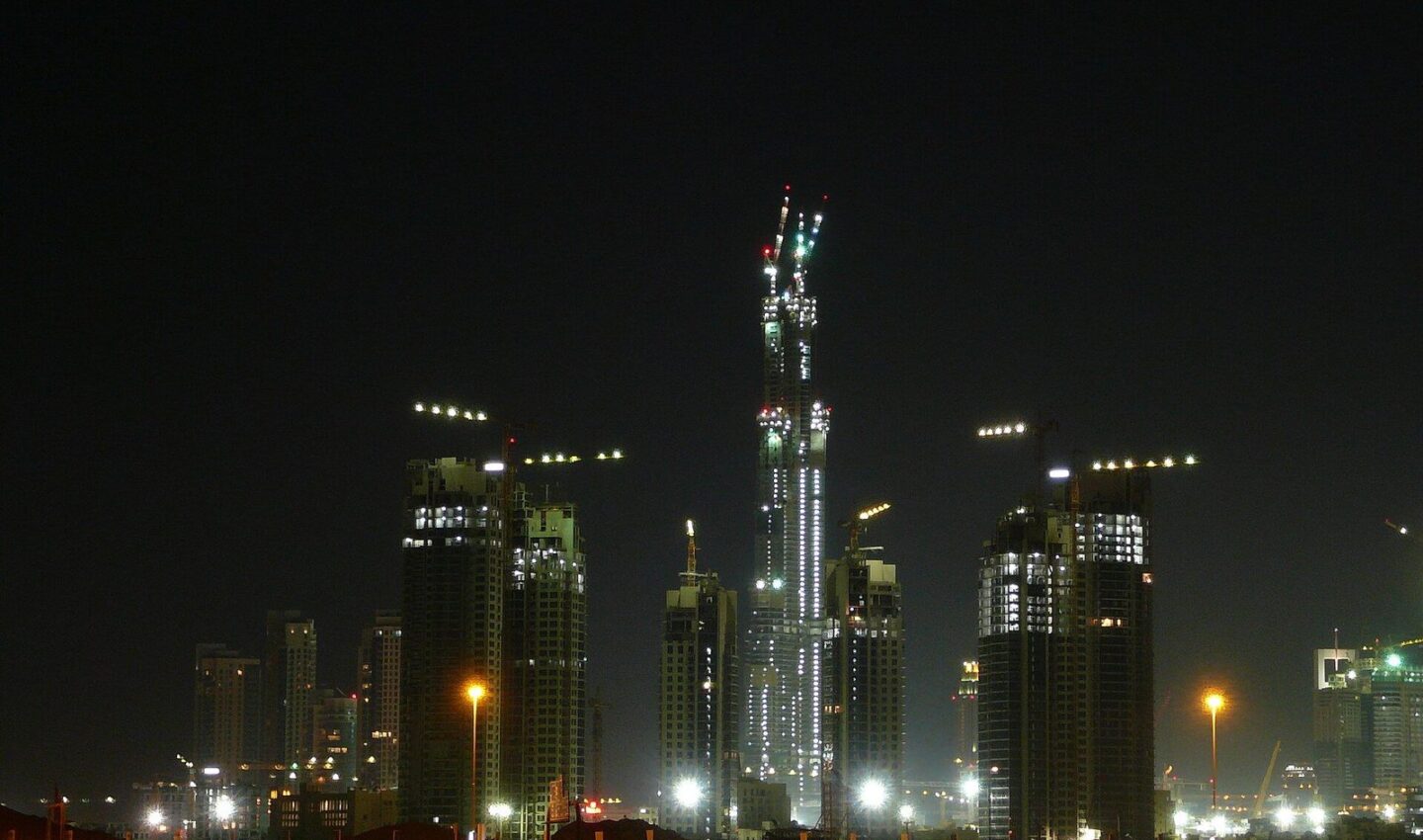
Dubai’s skyline tells you what the city became. Its historic neighbourhoods tell you how — and the how is the better story. Around the Creek and in the older quarters, lanes of coral-stone houses, wind towers and courtyard homes preserve the memory of a working port: merchants, sailors, pearl divers and craftsmen who built a city on trade long before there was a skyline to photograph. These streets are easy to overlook beside the towers. Overlooking them means missing the plot.
How a Port Builds a Neighbourhood
The oldest districts grew where the money was: around the Creek, the sheltered waterway that made Dubai a trading harbour. Merchants built their homes close to their warehouses and shops, because business and family life were the same geography. Around them settled the infrastructure of a community — mosques, markets, workshops, communal spaces — each neighbourhood developing its own rhythm and reputation within the port’s economy. Trade made these districts cosmopolitan early: goods and people arrived from across the Gulf, India and East Africa, and the neighbourhoods absorbed them. When the city later expanded at extraordinary speed, many of these areas were preserved rather than demolished, which is why pockets of the old Dubai survive, inhabited and working, inside the modern metropolis.
The Architecture Is a Climate Answer
Look closely at the old buildings and you are reading an engineering manual written in coral stone. The wind towers — the elegant vertical scoops rising above the roofs — caught whatever breeze existed and funnelled it down into the rooms below: air conditioning, centuries before electricity. Thick walls of coral stone and gypsum absorbed the day’s heat and released it slowly; small windows limited the sun’s entry while protecting privacy; courtyard houses turned inward to shaded family space; and the lanes themselves are narrow by design, so buildings shade each other and walking stays possible. Every material is local — coral, gypsum, palm wood — because a port town builds from what it has. None of this is quaint decoration. It is survival technology that happens to be beautiful.
📸 Follow @dxbtalk1 on Instagram for daily Dubai in photos →
What to Notice When You Walk
The districts reward slow looking. Read the doors — heavy, carved, studded timber that announced a merchant’s standing. Notice how homes, shops and workshops sit side by side, because they always did. Watch the lane logic: the shade is the pavement’s gift, and the routes bend the way pedestrian cities bend. Heritage houses and small museums along the way add the context — who lived here, what they traded, how a household ran — and guided walks can supply the stories that plaques only summarise. But the districts also give generously to the unguided: wander slowly, read what is posted, and let one street at a time explain itself.
Two Banks, Two Temperaments
The Creek’s banks grew different personalities, and noticing the difference sharpens any visit. Bur Dubai’s side holds the ceremonial old town: the Al Fahidi Historical Neighbourhood with its wind-tower lanes and courtyard houses, the old fort, and up the water at Shindagha, the restored family home of Sheikh Saeed Al Maktoum — ruler, merchant prince, and the grandfather of modern Dubai’s founding generation — now a museum of photographs and documents from the port’s great decades. Deira’s side kept the trading floor’s energy: the souks, the dhow wharves still loading for distant ports, the dense commercial streets where wholesale businesses stack above the retail ones. One bank remembers, the other transacts, and the abra crossing between them — two minutes, a token fare — is the hinge the whole historic city swings on.
Why the Stories Matter Now
Historic neighbourhoods are sometimes treated as the city’s attic — charming, dusty, separate from real life. Dubai’s are not. They are still home to real people and working businesses, and their continuity carries the city’s founding values in physical form: openness to traders from everywhere, enterprise as a way of life, hospitality as infrastructure. The traders, sailors, builders and families who shaped these lanes laid the foundations that the modern city still stands on, commercially and culturally. If a neighbourhood catches your imagination, read about it afterwards; the stories behind the buildings make a return visit richer, and you will notice details you walked straight past the first time. These streets are not theme parks. They are the first draft of Dubai — and the final version only makes sense with it.