Postcards sell Dubai as a single skyline — one famous tower, one glittering strip. Anyone who lives here knows the truth is the opposite. Dubai’s character lives in its neighbourhoods, and they barely resemble each other. Each district has its own pace, its own people and its own personality, and together they explain the city far better than any tower can. To understand Dubai, you do not look up. You walk around.
The Old Heart: Life Around the Creek
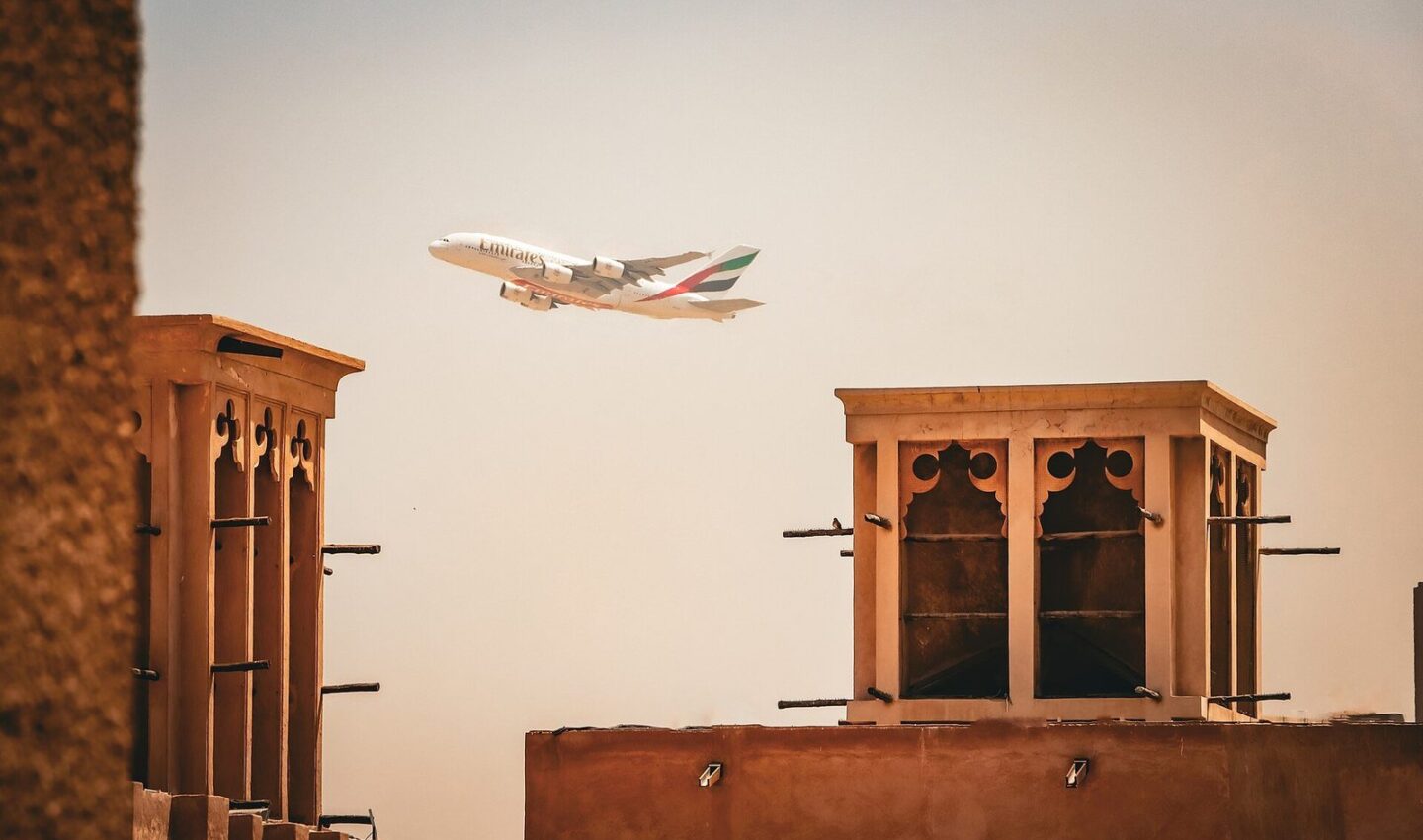
The neighbourhoods around the Creek are Dubai’s original city: trading houses, souks and waterfront lanes where daily life has continued for generations. This is where the merchants built their homes with wind towers, where dhows still load cargo, and where the call to prayer, the spice sacks and the abras crossing the water set a rhythm that predates the boom by more than a century. Walking here feels different from anywhere else in the city — slower, denser, more human in scale. It is the Dubai that existed before the skyscrapers, and it still anchors the city’s identity. Everything newer is, in some sense, a reply to this place.
The Waterfront Districts: The Postcard, Lived In
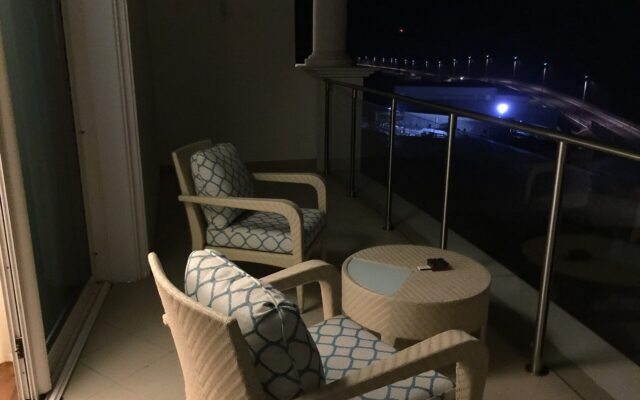
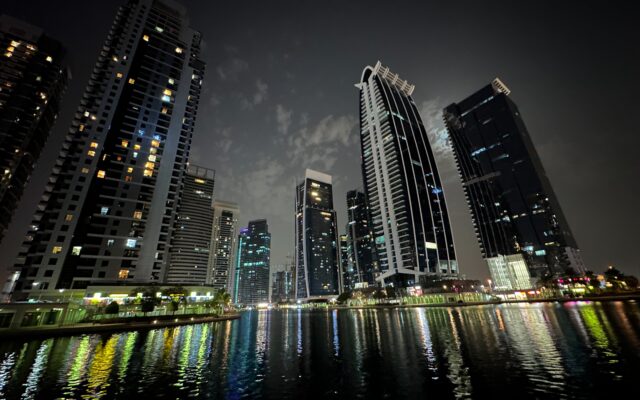
The marina and harbour districts represent modern Dubai at its most glamorous: towers arranged around the water, long promenades, restaurants spilling onto terraces, and beaches a short walk from thousands of front doors. These areas are built for a lifestyle lived partly outdoors — morning runs along the marina, coffee overlooking the boats, dinner as the towers light up. They draw residents who want energy, views and convenience, and visitors who want the postcard version of the city, except the postcard here is real and people actually live inside it.
📸 Follow @dxbtalk1 on Instagram for daily Dubai in photos →
Suburban and Family Neighbourhoods: The Quieter Dubai
Further out, the villa communities and suburban districts offer a different city again: parks, schools, community centres and a slower rhythm. Streets are greener and quieter, weekends revolve around gardens and sports clubs rather than malls, and neighbours tend to know each other. Families, long-term residents and anyone who prefers green space to high-rises gravitate here, and the sense of community is often strongest in these areas — the Dubai of school runs, evening walks and long-settled routines that rarely makes it into travel features.
Why Neighbourhoods Matter More Than Landmarks
For visitors, exploring beyond one district is the fastest way to understand Dubai — an afternoon in the old city teaches more than a week spent inside a single resort zone. For residents, choosing the right neighbourhood shapes daily happiness more than any single amenity: your commute, your food, your evenings and your community all flow from that one decision. The city’s character is not in its skyline alone. It is in the sum of its neighbourhoods, each with its own story, and all of them worth knowing.
Exploring on Foot
Dubai rewards walking more than its car-centred reputation suggests. Waterfront promenades, heritage lanes and park circuits are all designed for strolling, especially in the cooler months and the evenings. Pick one neighbourhood, leave the car, and give it an unhurried hour: comfortable shoes, water and sun protection turn a simple walk into one of the best free experiences the city offers — and the surest way to feel how different one district is from the next.
The Working Districts and the In-Between Places
Between the old heart and the suburbs sit the districts where much of the city’s daily work gets done — commercial quarters of offices, workshops and mid-rise blocks that tourists rarely visit but residents know intimately. Places like these hold the tailors, the printers, the small restaurants that feed an entire workforce at lunch. They rarely appear in guides, yet they are where Dubai’s economy touches the ground, and a visitor who spends an hour in one understands the city’s engine room better than another afternoon at a landmark would teach. The honest map of Dubai has always had three layers: where it began, where it shows off, and where it gets things done — and the third is the one most worth a detour.