

Thinking about Bur Dubai? This guide looks at what living there is really like: the housing mix, how people get around, where they eat and shop, and who tends to be happiest there.
The area in short
Bur Dubai is the old part of Dubai on the south-west bank of Dubai Creek, opposite Deira — the emirate’s first settlement, and still the city’s historic heart. It runs from Al Shindagha at the mouth of the creek, past Al Fahidi and BurJuman, to Oud Metha and Umm Hurair. It is not one community but several: Al Souk Al Kabeer with Al Fahidi, Meena Bazaar and Al Ghubaiba; Al Mankhool and Al Raffa; Al Hamriya; and Oud Metha, which draws families for its schools and sports clubs. It suits people who want old Dubai — the creek, the souks, the metro — at one of the lowest rents in the middle of the city.
The pros
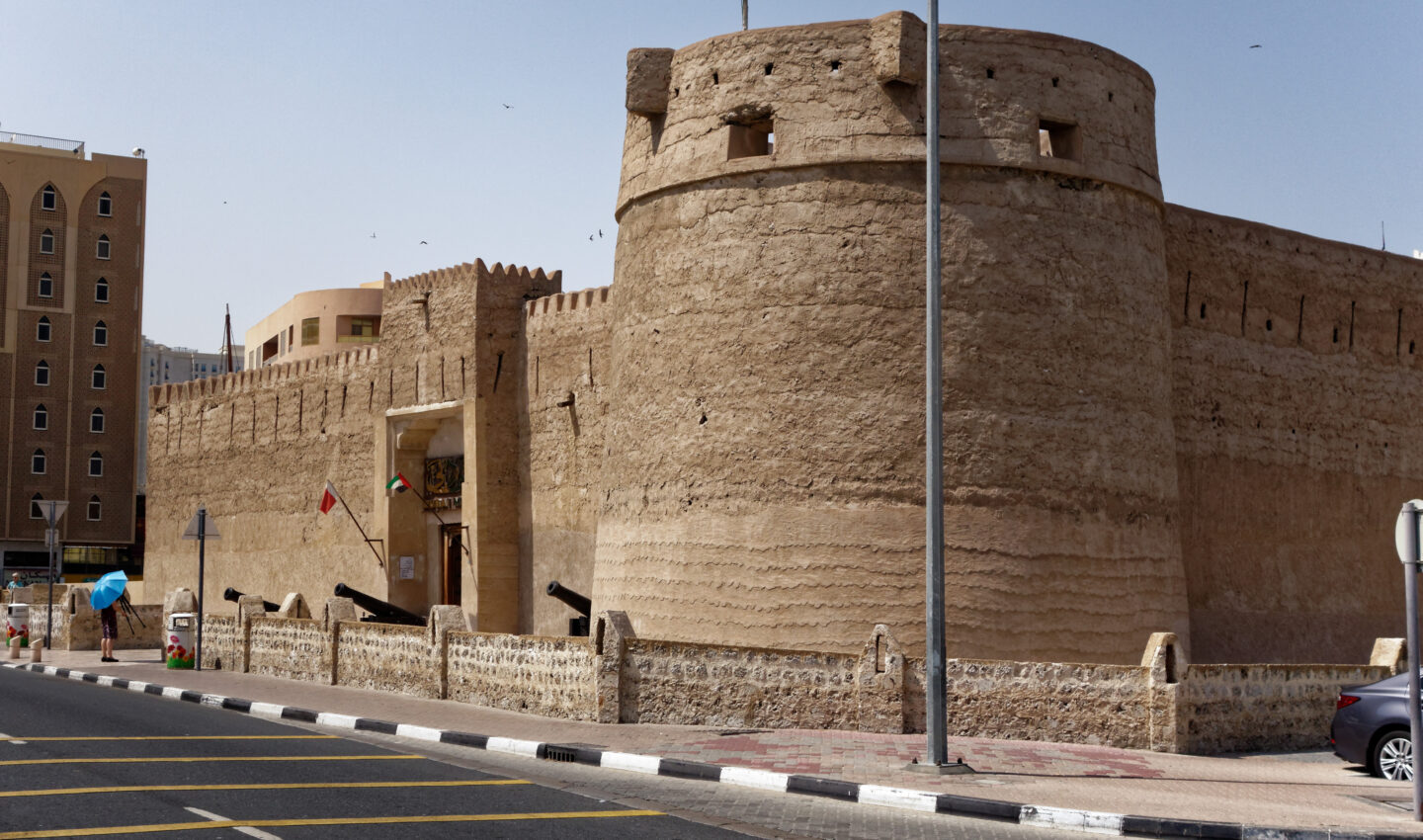
Heritage on your doorstep. Al Fahidi Fort, the oldest building in Dubai, guarded the small town by the creek long before the first tower went up — it has been closed since 2021 while it is restored as a new museum. Around it, the Al Fahidi Historical Neighbourhood’s wind-tower houses, the Al Seef waterfront, the Textile Souk and the Grand Mosque make this the most atmospheric place to live in Dubai.
Five Green Line stations, plus the interchange. Bur Dubai is served by Al Ghubaiba, Sharaf DG, Al Fahidi, Oud Metha and ADCB on the Green Line, and BurJuman is the interchange where the Green Line meets the Red. Abras cross the creek to Deira for a dirham, and the airport is under half an hour away. Many residents do not need a car at all.
Among the cheapest rents in central Dubai. Land Department records put a studio at around AED 38,000 a year, and the district’s older, spacious flats are among the most affordable in the middle of the city — which is why working professionals and students make up the biggest share of residents here.
Shopping and eating that no mall can copy. Meena Bazaar, between Al Fahidi and Khalid Bin Al Waleed Road, is the market district for fabrics, gold, saris and Indian food; the Textile Souk by the abra station sells fabrics, scarves and souvenirs; and BurJuman Mall, at the metro interchange, is the modern counterweight, with Wafi Mall a short drive away. Zabeel Park and Creek Park — and the Dubai Frame on the park’s edge — are the district’s green space.
📸 Follow @dxbtalk1 on Instagram for daily Dubai in photos →
The cons
Busy, hectic streets. The commercial areas around the souks and the creek are crowded and noisy, and the older parts of the district can feel hectic at times. If you want quiet, look at Oud Metha or the newer towers near Zabeel Park rather than the souk streets.
Parking is hard in the old quarters. Street parking is difficult around Al Fahidi, Meena Bazaar and the creek, so the metro is the practical way in and out. Check parking before you sign — it varies sharply by building.
Older buildings, fewer amenities. Much of the stock is low- to mid-rise and decades old, with fewer pools, gyms and play areas than newer master-planned communities, and fewer villas for rent. Families wanting green space and playgrounds will find more of both in the newer districts.
Getting around
The metro is the backbone — five Green Line stations plus the BurJuman interchange — with buses and abras filling the gaps. The abra from Al Ghubaiba or Al Fahidi across to Deira is both transport and a small daily pleasure. By road, the district connects to Sheikh Zayed Road and Downtown in minutes when traffic allows.
Eating out
Bur Dubai eats the way old Dubai always has: cheap, varied and excellent. Al Ustad Special Kabab has served Persian-style kebabs and dizi stew on the same street for decades; Arabian Tea House, inside the Al Fahidi Historical District, serves Emirati breakfast; Vaibhav does North Indian vegetarian food near the souks; and Ravi, a short drive towards Satwa, remains one of Dubai’s best-known Pakistani spots for affordable curries and grills. More than 150 supermarkets are spread across the district’s sub-neighbourhoods, so the weekly shop is never far.
Who it suits
Bur Dubai suits working professionals and students who want a central, affordable home with a metro at the door, and anyone who loves the city’s heritage — the creek, the souks, the wind-tower lanes — more than a new tower’s gym. Families do live here, especially in Oud Metha with its schools, but the district’s heart is for people who will use the metro, eat in the souk streets and trade quiet for character. If you want a villa, a new building and a quiet street, look elsewhere.




