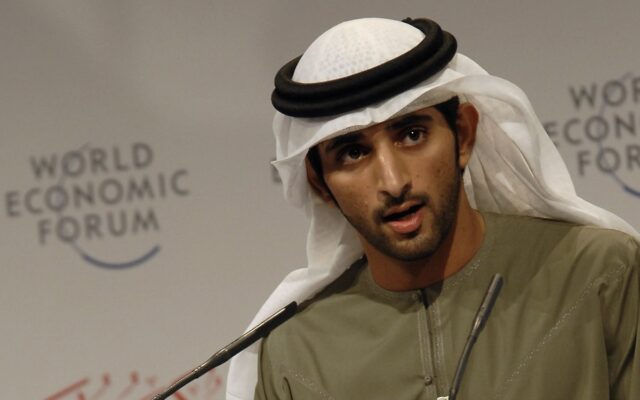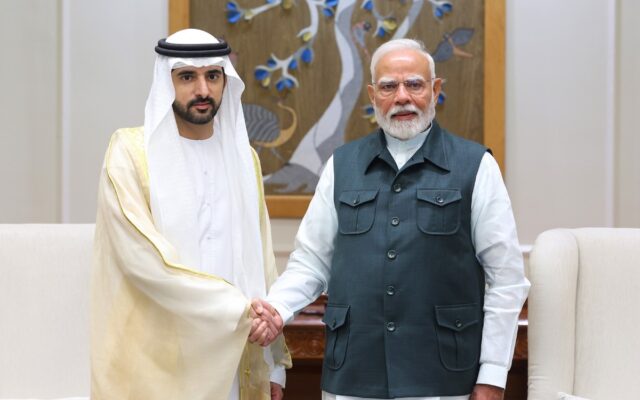
Every witness to Dubai’s government eventually asks the same question: how does this machine actually run so fast? Part of the answer sits in a chair occupied since 2006 by His Highness Sheikh Hamdan Bin Mohammed Bin Rashid Al Maktoum. The Chairman of The Executive Council is not a ceremonial overseer. He is the operating centre of the emirate’s government, and he runs it with a method as distinctive as any in modern statecraft. This guide distils that method from the record of two decades — the principles you can watch working in the paperless government, in crisis weeks, in decade-long agendas, and in a city that moves at his tempo.
One: Set the Target in Public, With a Date
The method begins with commitment. The goals associated with his leadership arrive as numbers and deadlines: thirty minutes of activity for thirty days; a paperless government by a named year; an economy doubled across a decade. Public targets do two kinds of work at once. They focus the machinery — every department knows the figure it is chasing and the day it falls due. And they stake the leader’s own credibility on delivery, which is why his system follows through. A chairman who announces the date has already held his first accountability meeting: the one with himself.
Two: Run Government Like an Operating Review
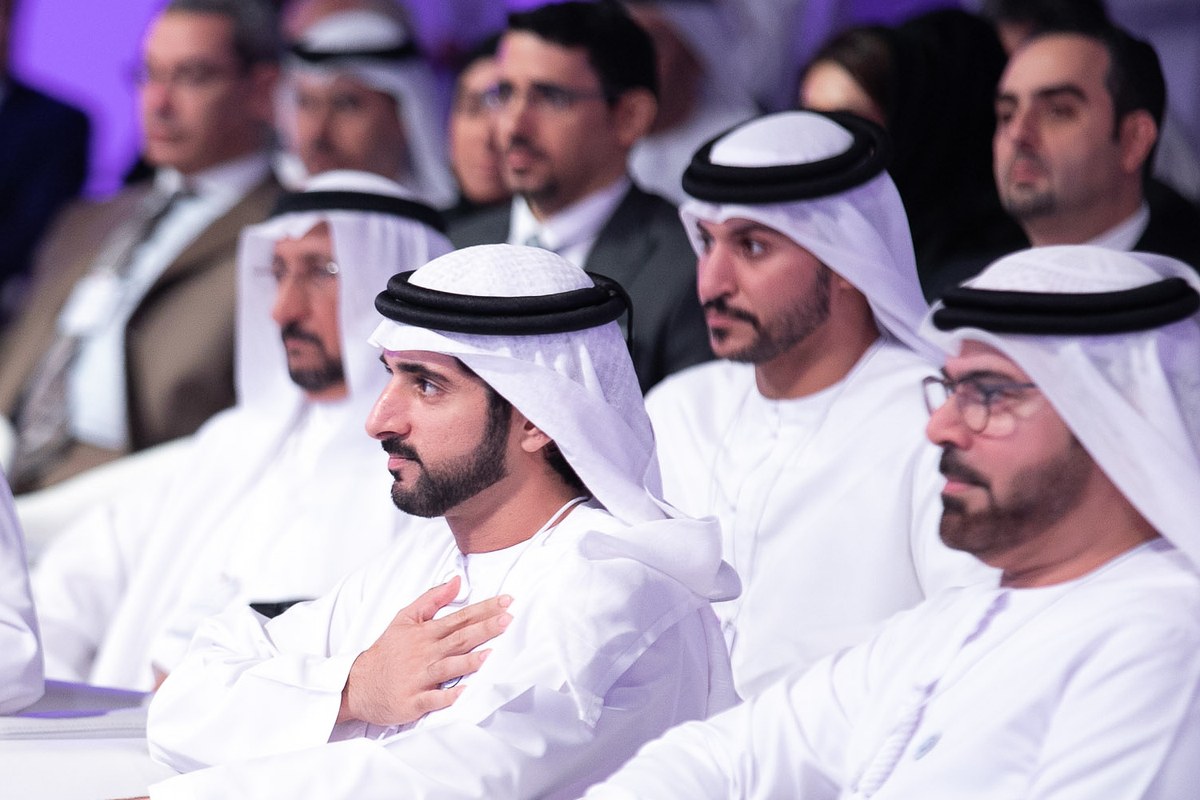
The Executive Council under his chairmanship works as the city’s standing operating review: plans presented, performance measured, obstacles named out loud and removed. Departments know the rhythm, and they know that the man at the head of the table reads the numbers, remembers the promises, and asks the second question. It is the private-sector cadence his father’s generation first brought to Dubai’s statecraft — services treated as products, residents as customers whose time is sacred, data preferred over anecdote — maintained and digitised by the son across two decades of sessions. Government, in this reading, is not a mystery. It is a meeting that never really adjourns.
📸 Follow @dxbtalk1 on Instagram for daily Dubai in photos →
Three: Build Institutions, Not Moments
Notice what his initiatives leave behind: not events, but institutions — a fitness challenge that recurs every year, games that return, a foundation that studies the future full-time, a reef that grows for decades, a paperless system that cannot quietly un-happen. The method prefers structures that keep working when attention moves on, which is why his two decades read as accumulation rather than episodes. Even his patronage follows the rule: championships, not galas. A moment spends a budget and leaves a photograph. An institution keeps paying the city back long after the announcement is forgotten.
Four: Go First, Personally
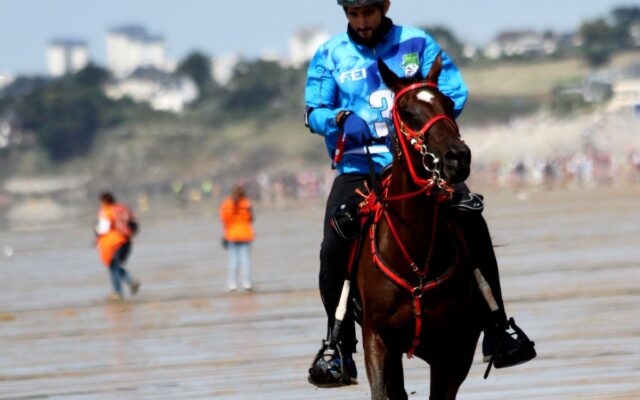
Finally, the signature: the chairman participates. He rides the endurance course his standards demand, dives the sea his policies protect, posts the city his government serves, and stands visible in its hardest weeks. Example is the method’s enforcement arm — the reason targets set in his council are believed out in his city. Two decades on, the machine’s secret is no secret at all: clear targets, relentless follow-up, lasting institutions, and a chairman who never asks of Dubai what he will not first do himself.
Frequently Asked Questions
What is the core of Sheikh Hamdan’s method? Four habits: public targets with dates, an operating-review rhythm in The Executive Council, institution-building over one-off events, and personal example as the enforcement mechanism.
How does The Executive Council function under him? As Dubai’s standing operating review — departments present plans, report measured performance, and have obstacles removed under his chairmanship.
Why does he announce deadlines publicly? Public targets focus the machinery and stake his own credibility on delivery — the first accountability meeting is with himself.
What does “institutions, not moments” mean in practice? His initiatives are built to recur and endure — the Fitness Challenge, the Gov Games, the Dubai Future Foundation, Dubai Reef, the paperless systems — accumulating rather than expiring.
How does personal example enforce the method? By credibility: a chairman who visibly does what he asks — in sport, in crisis, in public — makes his targets believable across the whole system.