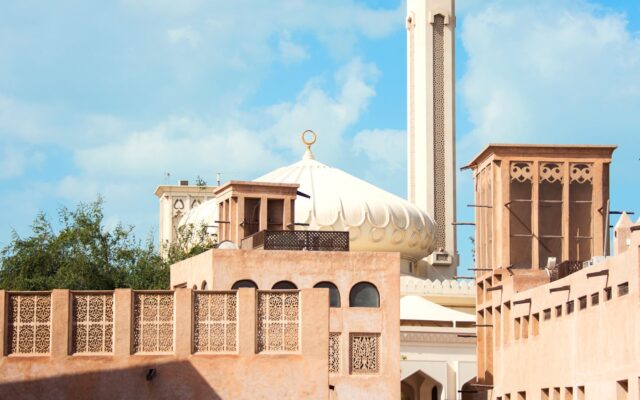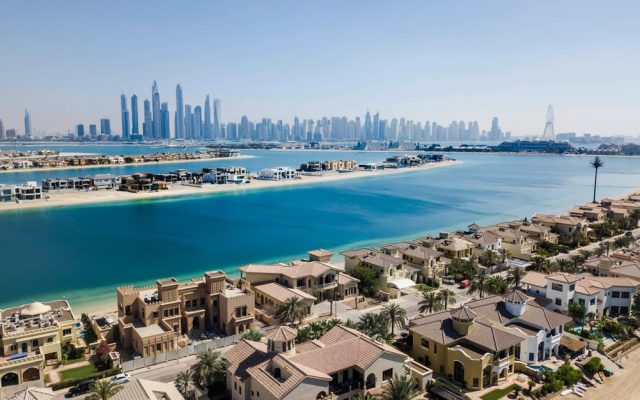
Every visitor to Dubai hears it, usually within the first day. It rises over the rooftops at dawn, rolls across the Creek at sunset and drifts between the towers at night: a single voice, amplified, melodious, unhurried. This is the adhan, the Islamic call to prayer, sounded from mosques five times a day. For residents it is the city’s oldest clock and its most familiar music. For newcomers it can be a 5 a.m. surprise — and then, often quite quickly, one of the sounds they miss most when they leave.
What You Are Hearing
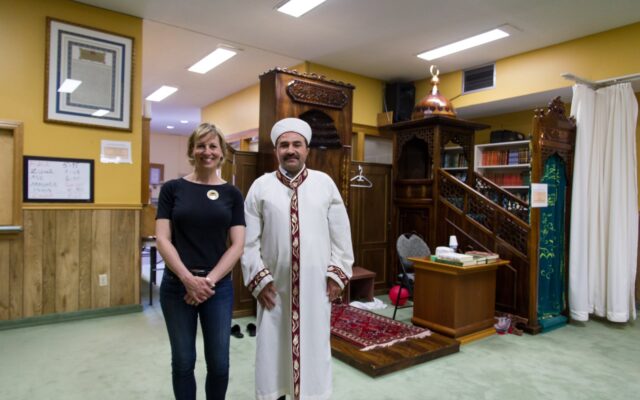
The adhan is a short call in Arabic, proclaimed by a caller known as a muezzin, announcing that a prayer time has arrived. Its phrases declare the greatness of God and invite worshippers to prayer — including, in the dawn call, a beloved extra line often translated as prayer is better than sleep, which anyone woken by Fajr in a quiet villa district will confirm is delivered with feeling. Today the call is broadcast by loudspeakers from minarets, the voice carrying across whole neighbourhoods; in mosques the adhan is given live, a responsibility held with pride.
Because Dubai has mosques in every district, the call is often heard in layers — one mosque beginning, another joining seconds later, the sound rippling across an area in a gentle wave rather than a single blast. Stand on the Baniyas Road side of the Creek at dusk and you can hear it travel across the water from Bur Dubai, minaret answering minaret.
Five Calls, Five Moods
Each adhan has its own atmosphere. Fajr, at dawn, sounds over an almost silent city — streets empty, air cool, the sky just lightening over the Gulf. Dhuhr, at midday, cuts through the working day’s noise and, in the older districts, brings shutters down and offices to a brief hush. Asr in the afternoon is the quietest ripple, noticed mainly by those waiting for it.
Maghrib, at sunset, is the one visitors remember: the light turns gold, the heat breaks, the Creek and the Marina glow, and the call marks the hinge of the day — in Ramadan, it is also the signal for the fast to break, greeted at a thousand tables at once. Isha, the night call, settles over a city heading for dinner and rest, the last full stop of the day.
📸 Follow @dxbtalk1 on Instagram for daily Dubai in photos →
What It Means to the People Around You
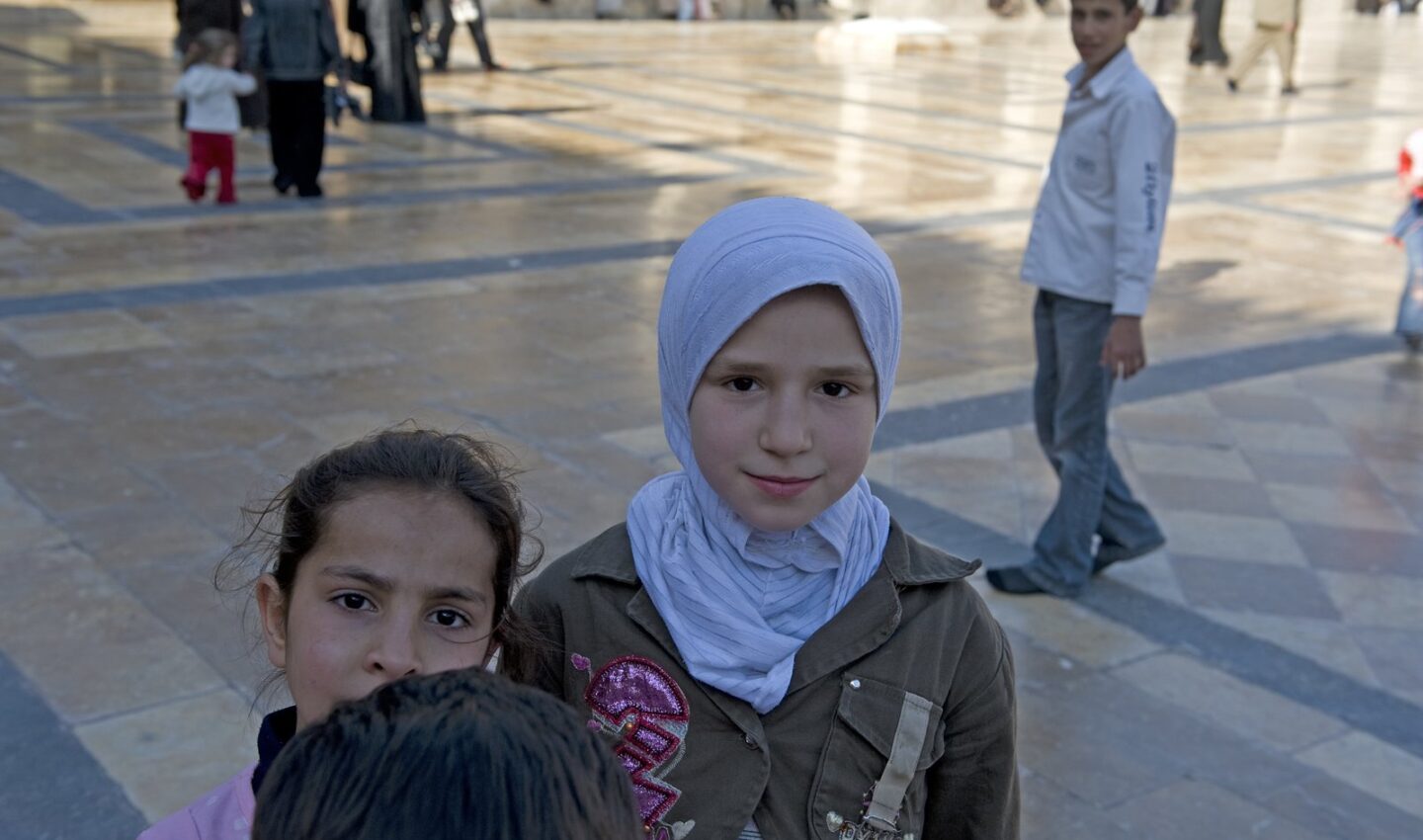
Ask residents about the adhan and the answers are rarely technical. It is the sound of home for Emiratis whose grandparents heard the same call unamplified from a single minaret. It is reassurance for newcomers far from their own countries — the same words, the same melody, in a city that can otherwise feel very new. Taxi drivers turn the radio down. Conversations pause for a few seconds without anyone deciding they should. Grandparents abroad, played a recording by a homesick grandchild, are known to weep at it.
For visitors, the respectful response is simple: nothing is required of you at all. You do not need to stop, cover your head or do anything in particular — just let the moment pass without talking over it if you are near a mosque, and enjoy it as one of the city’s defining experiences. In hotels, a lighter sleeper may want to note that Fajr is early; most guests find within days that they sleep through it, or wake, listen, and drift off again contentedly.
Living With the Call
Residents organise small kindnesses around the call without thinking about them. Hosts pause a dinner conversation for a moment at Maghrib during Ramadan until the fast is broken. Colleagues wrap up a call with I will ring you back after prayer and nobody checks a calendar to know roughly when that will be. Parents teach children the times by the call long before the children can read a clock: Fajr means the house is still dark, Maghrib means the lamps come on. Even the city’s animals seem to learn it — the birds over the Creek rise and settle at dusk as the call goes out, as if the evening had been announced to them too.
One Voice, Whole City
Dubai has taller towers, faster trains and louder attractions than the adhan. It has nothing more uniting. Five times a day, from Deira’s alleys to the Palm’s crescent, the same call stitches a city of two hundred nationalities into a single listening moment. Hear it properly once — at sunset, by the water, when the light is gold — and you will never hear it as background again.