Dubai charges for many of its wonders, but its finest daily spectacle is free. Twice a day the city’s light performs — once for the early risers at sunrise, once for everyone at sunset — and the towers, the desert and the sea all change character in the performance. People who plan their days around those two hours consistently see a more beautiful city than people who sleep through one and rush the other.
Sunrise: The Quiet City
Sunrise in Dubai belongs to a small, devoted congregation: joggers on the beach tracks, fishermen at the Creek, swimmers taking the water while it is glass. The city lights go out as the sky warms, and for a short while the place is hushed in a way it never is again all day. A sunrise desert trip is the connoisseur’s version — cooler air, empty dunes, the sand turning gold ridge by ridge — but the simple versions compete well: a beach walk, a first coffee on a balcony as the towers catch fire one by one. Photographers favour this first hour above all others; the light is soft, low and forgiving, and the city poses without its crowds.
Sunset: The Golden Hour
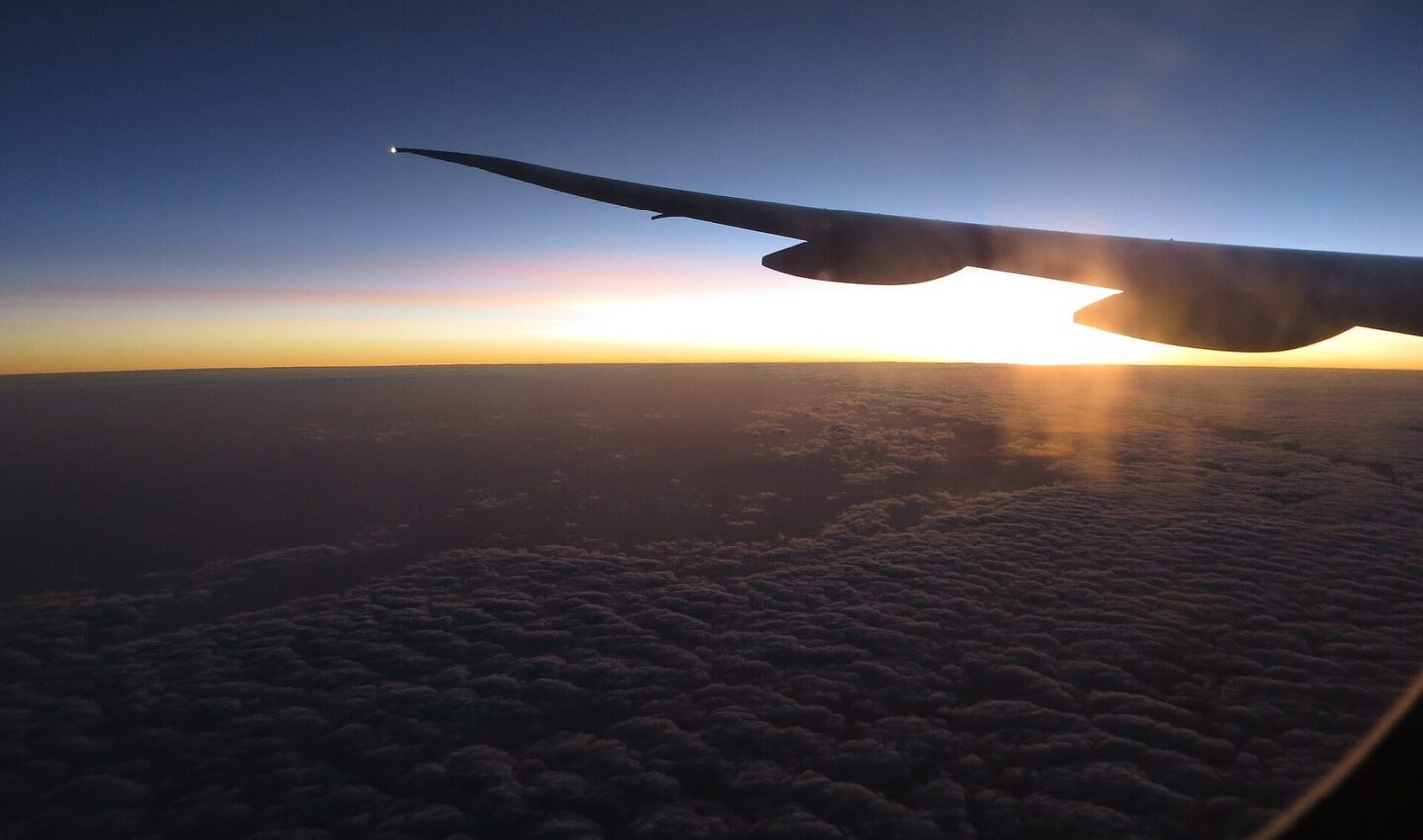
Sunset is Dubai’s social hour, the hinge of the city’s day. Rooftops fill, beaches gather their evening crowds, the promenades along the Marina and the Canal turn into processions, and the skyline runs the full amber scale before the lights take over. A marina walk, a beachfront dinner timed to the light, a rooftop drink as the towers switch on — these are among the simplest pleasures the city offers, and consistently the ones visitors remember longest. The old town competes with the new at this hour: an abra crossing at dusk, the minarets silhouetted, the Creek going bronze, costs almost nothing and has been beautiful for a century.
📸 Follow @dxbtalk1 on Instagram for daily Dubai in photos →
Planning Around the Light
The craft is mostly calendar and clock. Sunrise and sunset times shift substantially through the year, so check the day’s times before promising anyone a golden hour. Arrive early at popular viewpoints, because the best positions are claimed by people who also read advice like this. Then linger: the light changes fast, and the most beautiful moments frequently arrive just after the sun itself has gone, in the blue quarter-hour when the city lights and the sky briefly match. The season edits the show — cooler months bring clearer skies and softer colours, while summer haze can mute the horizon into a white-gold wash that has its own drama. A weather or sun-tracking app helps photographers pick their days, but honestly, the standing rule works for everyone: be outside, facing the light, twice a day whenever you can. Dubai’s golden hours cost nothing, ask only for your presence, and pay it back at an exchange rate no attraction in the city can match.
Where to Stand
The city offers a vantage for every temperament. For sunrise: the public beaches, where the light arrives across open water and the swimmers are already in it; the Creek’s eastern bank, watching the old town wake; the desert’s edge, where the dunes take the colour first and the city is a rumour behind you. For sunset: any west-facing waterfront — the Marina’s promenade, the Palm’s crescent, the beach clubs’ terraces — and, for the classic composition, a spot where the skyline itself becomes the subject, silhouetted and then sequinned with light. None of these requires a booking, a ticket or a plan more elaborate than a thermos. That is the whole miracle of Dubai’s light: the best seats in the city are standing room, and they are free.
Make it a standing arrangement and the city keeps the appointments for you: the beach path at dawn once a week, the west-facing terrace when the week needs closing properly. Sunrises and sunsets are the rare Dubai attractions that improve with familiarity rather than exhausting themselves — the light is never twice the same, and neither, after a year of watching it, are you.