This is a practical guide to daily life in Al Sufouh — written for people who live here, not visitors passing through. It covers the systems you will deal with, the documents and decisions that matter, and the mistakes that cost residents time and money, in the order you will actually meet them.
Mistakes residents make (so you don’t have to)
The recurring mistakes are boringly consistent. Acting on a friend’s experience from three years ago in a system that has since moved online. Paying an intermediary for something the official app does free. Signing — a lease, a contract, a package — before reading the clause that governs leaving it. And assuming that because something is common practice it is therefore permitted: Dubai tolerates a lot informally right up to the moment it doesn’t.
The antidote is unglamorous: verify on the official channel, read the document, ask what happens if you need to stop or leave, and get commitments in writing. None of this slows a well-run process by more than a day, and it prevents the month-long unravellings that fill the community forums.
What to order and where to look
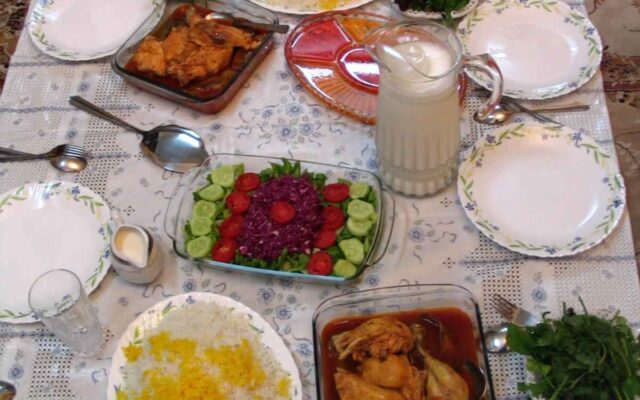
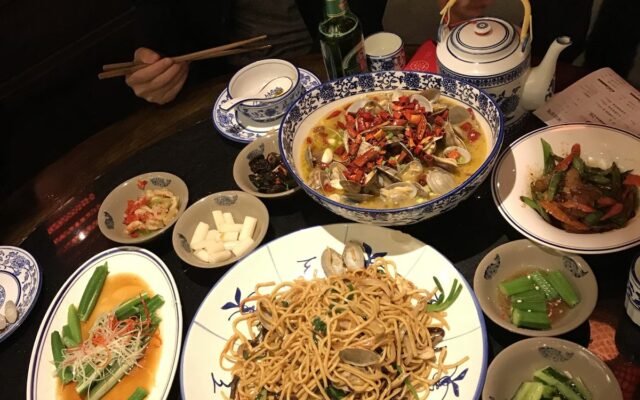
Anchor dishes to hunt in and around Al Sufouh: chicken shawarma with garlic and pickles, fresh paratha with dal or omelette, idli and dosa at South Indian spots, machboos and harees at Emirati/local kitchens, grilled hammour at fish cafeterias near the coast, and karak from the cafeteria window — ordered by the cup for the car. Vegetarians eat exceptionally well in old-Dubai-style cheap eats: the Indian and Pakistani kitchens of districts like Al Sufouh run deep meat-free menus.
Explore in a pattern: pick one street or cluster per outing, eat small at two or three places, and note the one you would return to. Cheap eats reward regulars — the second visit, when the staff know your order, is when the extra piece of chicken appears.
📸 Follow @dxbtalk1 on Instagram for daily Dubai in photos →
Cheap eats culture in Al Sufouh
Al Sufouh is a quiet coastal strip between the Marina and Al Barsha, home to villas, palaces and media free zones nearby. Dubai’s cheap-eats scene is one of its great equalisers: cafeterias serving karak chai and paratha, shawarma stands, South Indian mess-style restaurants, Filipino bakeries, Pakistani barbecue and Afghan kebab houses — many feeding you well for the price of a coffee elsewhere. In Al Sufouh, the best value concentrates where workers and long-term residents eat, not where the décor budget went.
The cafeteria is the institution to understand first: order at the counter, expect plastic chairs and serious cooking, and try the items the regulars order rather than the full menu. Shawarma quality is judged locally by the queue at the spit around 8pm — join the longest one.
Getting help: official channels and community knowledge
Two kinds of help exist and they are good at different things. Official channels — the authority’s app, call centre and service centres, plus licensed service centres such as Amer and the typing centres — own the rules and the transactions. Community knowledge — the residents’ groups for your district, school or nationality — owns the lived detail: which branch is efficient, which counter to ask for, what the process felt like last month.
Use them in that order for anything with legal or financial weight: official source for the rule, community for the texture. Be wary of any individual who offers to bypass an official step for a fee — in a city this digitised, the bypass is usually a detour into a scam the authorities warn about by name.
Common questions
What is the most common mistake?
Acting on out-of-date advice. Systems here change yearly; a friend’s experience from a previous contract or a previous visa is a starting point, not a rule. The second most common mistake is paying an intermediary for a step the official app handles directly.
Where can I double-check the current rules?
On the official channel for the authority involved — its website, app or service centre — because fees, hours and procedures for daily life in Al Sufouh are updated by official decision and summaries like this one age. Verify the step you are about to pay for, on the day you pay for it.
What is the most common mistake?
Acting on out-of-date advice. Systems here change yearly; a friend’s experience from a previous contract or a previous visa is a starting point, not a rule. The second most common mistake is paying an intermediary for a step the official app handles directly.
Where do residents get reliable local detail?
Community groups for your district, school or workplace hold the lived detail — which branch is quick, what the process felt like last month. Combine that texture with the official source for the rule itself, and you have the full picture.
The bottom line
Handled in the right order, daily life in Al Sufouh is a solved problem — thousands of residents do it every month. Prepare the documents, use the official channels, keep your records, and it becomes one more piece of Dubai admin that quietly stays done. This guide is part of DXB Talk’s resident library at dxbtalk.com, where the guides interlock the way the systems do.