Ask ten Dubai residents about daily life in Al Quoz and you will get ten confident answers, at least four of which are out of date. This guide sticks to how things work now: the systems involved, the steps in their real order, and the details that decide whether it goes smoothly or becomes a story you tell at dinner.
Cheap eats culture in Al Quoz
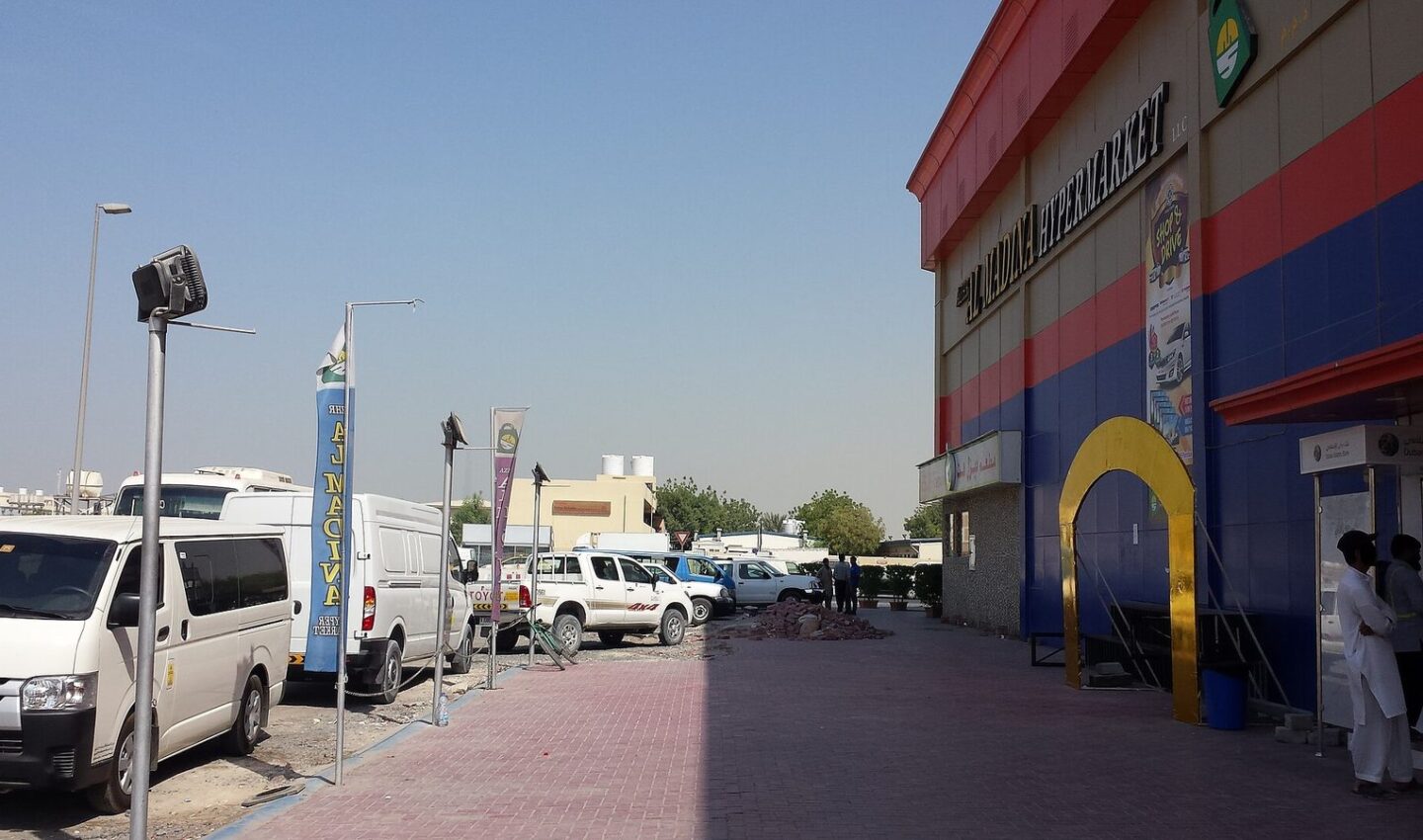
Al Quoz is Dubai’s industrial-turned-creative district of warehouses, Alserkal Avenue galleries, workshops and garages. Dubai’s cheap-eats scene is one of its great equalisers: cafeterias serving karak chai and paratha, shawarma stands, South Indian mess-style restaurants, Filipino bakeries, Pakistani barbecue and Afghan kebab houses — many feeding you well for the price of a coffee elsewhere. In Al Quoz, the best value concentrates where workers and long-term residents eat, not where the décor budget went.
The cafeteria is the institution to understand first: order at the counter, expect plastic chairs and serious cooking, and try the items the regulars order rather than the full menu. Shawarma quality is judged locally by the queue at the spit around 8pm — join the longest one.
Hygiene, timing and etiquette
Dubai’s food control is strict and cheap does not mean risky: look for the municipality hygiene rating displayed in most establishments and trust turnover — a busy cafeteria cycles food fast. Peak hours are lunch (12-2) and after 8pm; Ramadan flips the day, with cafeterias at their best in the hour after iftar and some closed until evening.
Carry small cash for the smallest places even though most take cards, tip modestly in cash, and do not photograph staff or other diners without asking. Delivery apps list many Al Quoz cafeterias too, but the food travels badly compared with eating at the counter — cheap eats are a go-there pleasure.
📸 Follow @dxbtalk1 on Instagram for daily Dubai in photos →
What to order and where to look
Anchor dishes to hunt in and around Al Quoz: chicken shawarma with garlic and pickles, fresh paratha with dal or omelette, idli and dosa at South Indian spots, machboos and harees at Emirati/local kitchens, grilled hammour at fish cafeterias near the coast, and karak from the cafeteria window — ordered by the cup for the car. Vegetarians eat exceptionally well in old-Dubai-style cheap eats: the Indian and Pakistani kitchens of districts like Al Quoz run deep meat-free menus.
Explore in a pattern: pick one street or cluster per outing, eat small at two or three places, and note the one you would return to. Cheap eats reward regulars — the second visit, when the staff know your order, is when the extra piece of chicken appears.
A realistic timeline
Set expectations in weeks, not days. The straightforward version of this process, with documents ready, typically completes in a few working days of actual processing spread across one to three weeks of appointments, approvals and deliveries. The complicated version — a document to attest, a record to correct, a counter that needs a second visit — doubles that, and it is still normal.
The timeline you control is your own preparation: documents gathered, forms understood, fees budgeted, appointments booked at the calm end of the day. Residents who prepare experience Dubai’s systems as impressively efficient; residents who improvise experience the same systems as a maze. The difference is rarely the system.
Keeping records like a resident
Long-term Dubai residents share one unglamorous habit: a records folder, physical or digital, containing the ID, the tenancy, the key contracts, the insurance cards and the last few official receipts for everything. It sounds excessive until the day a bank, a school or an officer asks for a document from two years ago — which, in this city’s joined-up bureaucracy, is a day that reliably comes. Build the folder as you go; reconstructing it afterwards is the painful version.
Common questions
Can I do most of this online?
Mostly, yes — Dubai has moved the majority of resident transactions into official apps and portals. The steps that still need your presence are usually biometrics, medicals, signatures and original-document sighting. Start online, and attend in person only for the step that requires your body.
Where do residents get reliable local detail?
Community groups for your district, school or workplace hold the lived detail — which branch is quick, what the process felt like last month. Combine that texture with the official source for the rule itself, and you have the full picture.
What is the most common mistake?
Acting on out-of-date advice. Systems here change yearly; a friend’s experience from a previous contract or a previous visa is a starting point, not a rule. The second most common mistake is paying an intermediary for a step the official app handles directly.
Where do residents get reliable local detail?
Community groups for your district, school or workplace hold the lived detail — which branch is quick, what the process felt like last month. Combine that texture with the official source for the rule itself, and you have the full picture.
The bottom line
Handled in the right order, daily life in Al Quoz is a solved problem — thousands of residents do it every month. Prepare the documents, use the official channels, keep your records, and it becomes one more piece of Dubai admin that quietly stays done. This guide is part of DXB Talk’s resident library at dxbtalk.com, where the guides interlock the way the systems do.