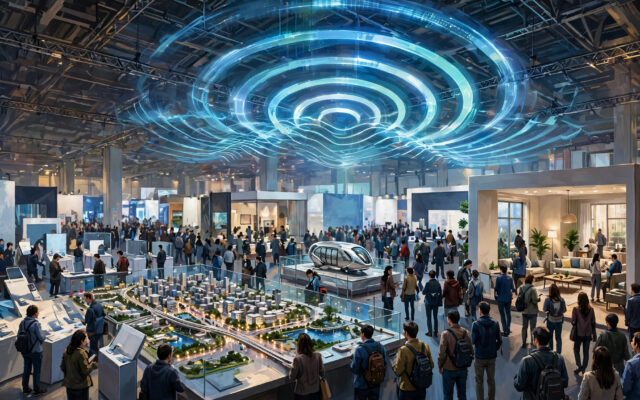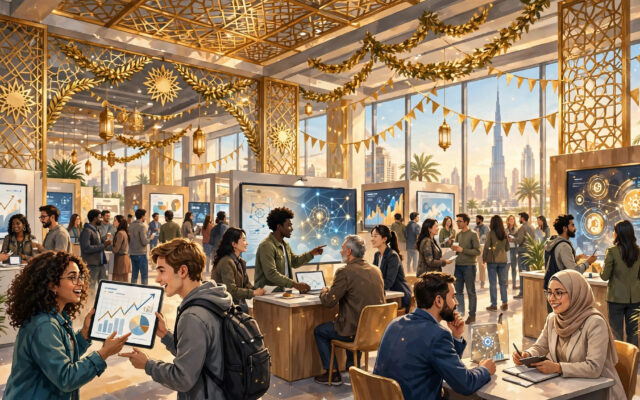

“Smart city” is a phrase that invites scepticism — until you live in one and notice your commute shortening, your paperwork evaporating, and your utility bill explaining itself. The UAE has made smart-city development a national priority, and the ideas shaping it share one practical goal: using data and technology to make urban life safer, easier and more sustainable. Stripped of the conference language, here is what is actually being built, and what it changes for the people who live inside it.
Connected Infrastructure: The City That Senses
The foundation is infrastructure that senses and responds. Traffic systems read real-time conditions and adjust signals and guidance accordingly, easing congestion on the busiest routes before it hardens. Smart grids and digital utilities help households track and reduce their consumption, turning the meter from a mystery into a dashboard. Public services increasingly share data behind the scenes, so residents deal with one joined-up system instead of many separate ones — a licence, a permit, a payment flowing through a single digital front door. The benefit is measured in the city’s scarcest currencies: shorter journeys, lower waste, faster services, fewer queues.
Sustainability by Design
Smart-city thinking in the UAE is wired directly into sustainability, because a desert city cannot afford to be careless with energy or water. New districts are planned with energy-efficient buildings, water-saving systems and green transport from the first drawing, while older areas are retrofitted where possible. Solar generation, district cooling, shaded and walkable street design, waste systems that sort and track — the aim is a city that can keep growing without proportionally growing its environmental footprint. The smart meter and the green building are the same idea at different scales: measure honestly, waste less, live better in a hard climate.
📸 Follow @dxbtalk1 on Instagram for daily Dubai in photos →
People at the Centre
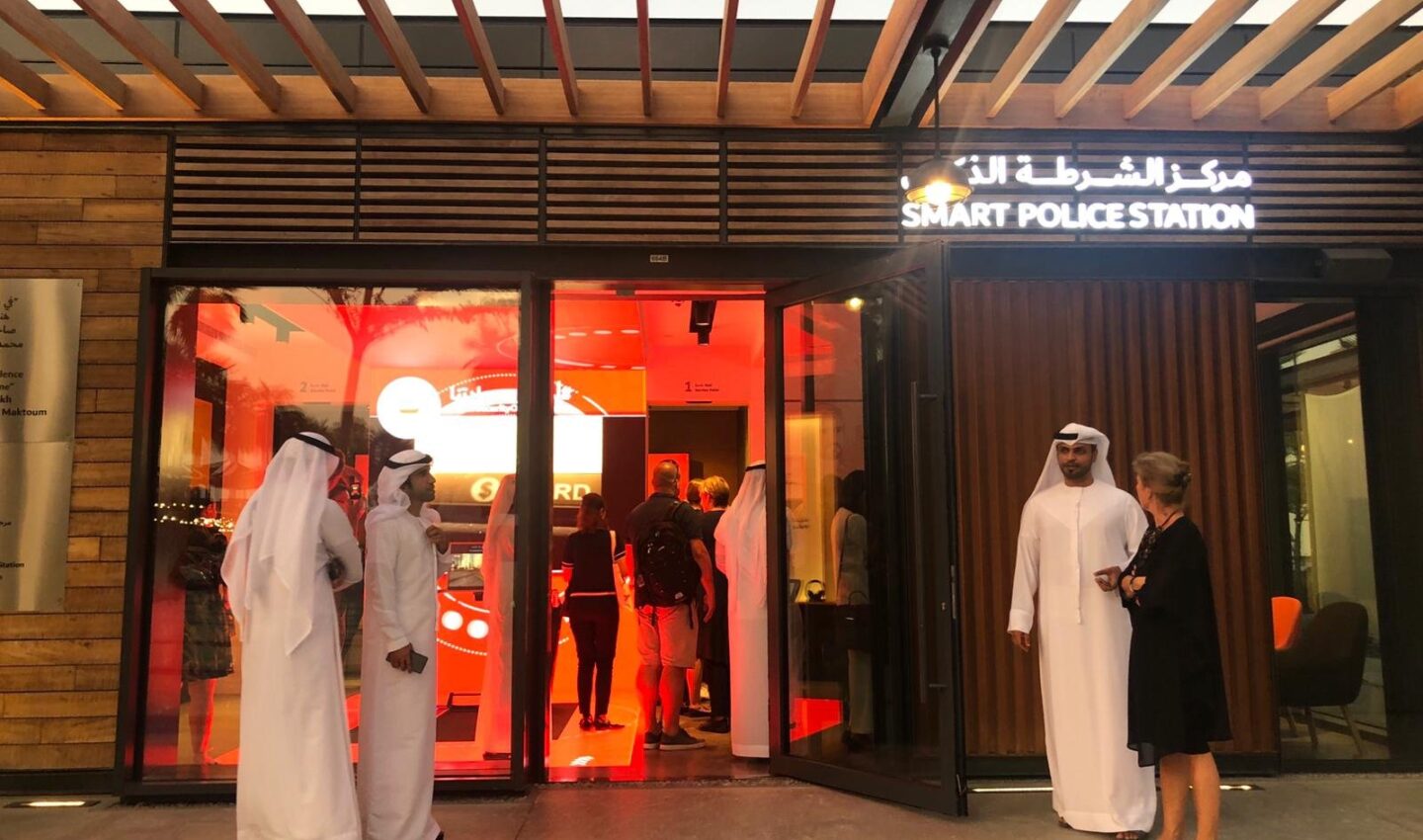
The most important smart-city idea is also the simplest: the technology should serve people, quietly. The best implementations are nearly invisible — better street lighting that responds to presence, air-quality monitoring that informs planning, safer streets through connected emergency systems, public spaces that adapt to crowds and weather. Digital access for all is part of the doctrine, because a smart city that only serves the connected is merely a faster divide. Services are designed around residents’ actual journeys — the school run, the clinic visit, the licence renewal — rather than around the departments providing them. When the technology works, you stop noticing it and start noticing that the city simply works.
What Residents Actually Feel
Day to day, the transformation arrives as small mercies accumulating: the queue that moved, the form that pre-filled itself, the bus that announced its true arrival, the outage that was fixed before it was reported because the grid reported it first. As these ideas spread from flagship districts into everyday neighbourhoods, the change registers less as technology than as competence — a city whose systems talk to each other so its residents don’t have to act as messengers between them. The UAE’s smart-city journey is still unfolding, and its most interesting chapters are likely ahead. But the direction is already legible from any pavement in Dubai: fewer frictions, measured honestly, removed one by one.
The Necessary Question: Data and Trust
A city that senses must also be trusted, and the mature version of the smart-city idea takes governance as seriously as engineering. The same data that shortens a commute could, carelessly handled, intrude on a life — which is why the UAE’s digital expansion has been paired with data-protection law and an official emphasis on secure, accountable systems. For residents, the practical test is simple and worth applying to any new service: is it clear what is collected, why, and who answers for it? Smart cities earn their name twice — once for the technology, and once for the judgement about where it should stop. The UAE’s project, watched closely by the region, is an attempt to build both halves at once.