

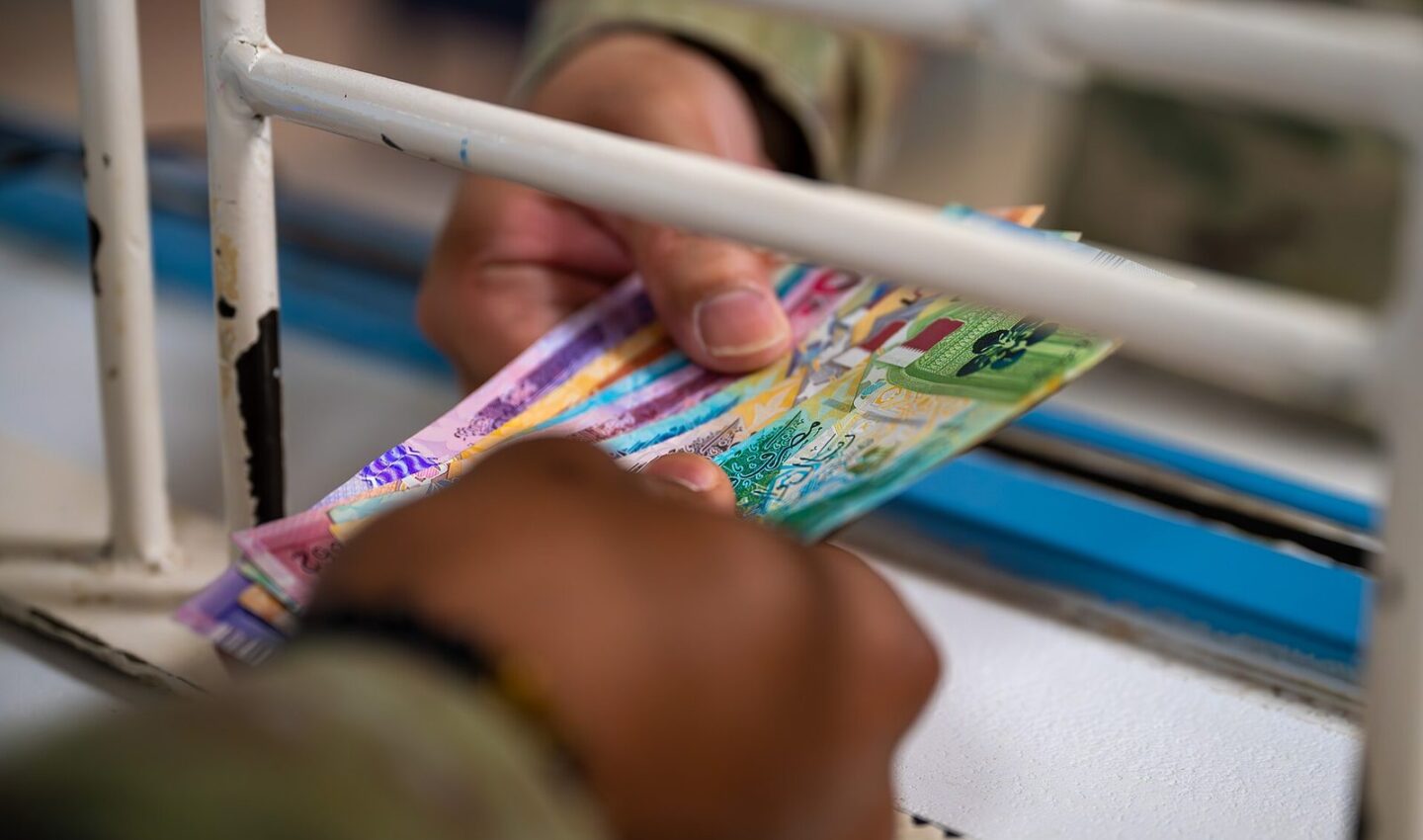
Sending money from Dubai to DR Congo is very doable, but it takes a little more planning than transfers to countries with a large, well-served remittance corridor. Most people use a licensed exchange house or an international money transfer app, send in US dollars where possible, and confirm in advance whether the recipient will collect cash, receive a bank deposit, or get a mobile money credit. Checking the total cost — fee plus exchange rate margin — before you confirm is the single best way to protect your money.
Your main transfer options
Dubai’s exchange houses are the traditional starting point. Licensed providers regulated by the Central Bank of the UAE handle counter transfers where you pay in dirhams or by card and the recipient collects cash abroad, often in US dollars. Ask at the counter specifically about the DR Congo corridor, because availability varies by provider and by destination city — Kinshasa is generally far easier to serve than smaller towns.
International transfer apps and online services are the second route. Some global platforms support DR Congo payouts, but coverage changes often, so check inside the app itself before relying on it. A third option is a bank-to-bank SWIFT transfer, which suits larger amounts and recipients with a Congolese bank account, though it is usually slower and the receiving bank may deduct its own charges.
- Exchange house counter transfer — often cash pickup in USD
- Money transfer app — check live corridor availability first
- Bank SWIFT transfer — better for larger, less urgent sums
- Mobile money payout — only where the provider confirms support
What it typically costs
As a guide, counter and app fees for a mid-sized transfer typically fall somewhere around AED 15 to AED 60, but the real cost often hides in the exchange rate. DR Congo widely uses the US dollar alongside the Congolese franc, so many senders transfer in USD to avoid a double conversion. Compare the rate you are offered against the mid-market rate you can check online: a rate a few percent worse can cost more than the headline fee.
For bank transfers, expect higher fixed fees — typically around AED 50 to AED 150 as a guide, plus possible intermediary and receiving bank deductions. Always ask whether charges are taken from the amount sent, and get the final payout figure in writing before you pay.
📸 Follow @dxbtalk1 on Instagram for daily Dubai in photos →
Documents and details you will need
At an exchange house you will normally need your Emirates ID and the recipient’s full legal name exactly as it appears on their ID. For cash pickup, the recipient will need the transfer reference number and their own identification at the collection point. For a bank deposit, gather the account number, bank name and any SWIFT or branch details the receiving bank requires, and double-check every digit — correcting a transfer after it has left Dubai is slow and sometimes impossible.
- Decide the payout method: cash, bank deposit or mobile money.
- Compare at least two providers on total payout, not just the fee.
- Prepare your Emirates ID and the recipient’s exact details.
- Confirm the transfer and keep the receipt and reference number.
- Ask the recipient to confirm arrival before you discard paperwork.
Keeping your money safe
Only use providers licensed in the UAE, and never hand cash to an informal agent who offers a suspiciously good rate — if a transfer goes wrong outside the regulated system, you have almost no way to recover it. Be cautious about sending large amounts in a single first transfer; sending a smaller test amount to a new recipient or a new provider is a sensible habit. Keep screenshots and receipts until the money is confirmed received, and be alert to scams where someone contacts you claiming a transfer is blocked and asking for an extra payment to release it. Legitimate providers handle queries through their official counters and support channels, not through personal messages.
Timing matters too. Weekends, public holidays in either country, and compliance checks on larger sums can add a day or more. If the money is for school fees, rent or a deadline, send earlier than you think you need to.
FAQ
How long does a transfer to DR Congo usually take?
Cash pickup through a major provider is often same day once processed, while bank deposits typically take a few working days. Compliance checks can add time.
Should I send dollars or Congolese francs?
Many recipients prefer US dollars because they are widely used in DR Congo, but ask your recipient first and compare the payout both ways before deciding.
Is there a limit on how much I can send?
Providers set their own transaction limits and may ask about the source of funds for larger amounts. Check the limit and requirements at the counter before you go.
For more practical money and everyday living guides, visit DXB Talk and browse the Dubai category archive.
Related Guides
- Sending Money Home to Congo From Dubai: Fees, Rates and the Safest Transfer Options
- Sending Money Home to Palau From Dubai: Fees, Rates and the Safest Transfer Options
- Sending Money Home to Maldives From Dubai: Fees, Rates and the Safest Transfer Options
- Sending Money Home to Moldova From Dubai: Fees, Rates




