Dubai runs on systems, and daily life in International City sits at the crossing of several of them. Get the sequence right and it is a morning’s work; get it wrong and it follows you for months. Here is the sequence, the paperwork, and the local knowledge that turns a bureaucratic obstacle course into a routine errand.
Spas, hammams and home services
Spa culture in Dubai runs from hotel spas (priced for occasions) to independent massage and hammam centres that residents use monthly. In and around International City, check licensing and cleanliness signals: a proper trade licence on display, single-use items opened in front of you, and clear pricing before the treatment starts. Moroccan and Turkish hammams are a local institution worth trying once, ideally on a recommendation from a neighbour.
Home-service beauty apps and freelance technicians are popular in International City for nails, waxing and blow-dries, especially among villa residents. Quality varies more than in salons, so start with a low-risk service, confirm the products used, and keep the number of anyone good — the best home technicians book out days ahead.
Timing: when to do what
Timing shapes outcomes here more than most cities. The working week runs Monday to Friday, government counters are calmest early in the morning, and the calendar bends around Ramadan (shorter official hours, slower processing, evenings that come alive) and the summer months, when decision-makers travel and some processes stretch. School, tenancy and visa cycles interlock: a September school start implies a spring application, a summer tenancy signing and documents attested before either.
Plan backwards from the date that cannot move — the lease start, the school term, the visa expiry — and put your own deadlines a fortnight ahead of the official ones. The residents who glide through Dubai’s systems are not better connected; they are simply earlier.
📸 Follow @dxbtalk1 on Instagram for daily Dubai in photos →
Costs: how to think about the money
Resist any single quoted figure for daily life in International City — including from well-meaning friends. Costs here split into official fees (published, fixed, and worth checking on the authority’s own schedule rather than through an intermediary), market prices (negotiable, seasonal, and different by district), and the hidden third category: the cost of doing it in the wrong order, which usually arrives as a second fee, a second trip or a second deposit.
Build your budget from three live quotes wherever the market is involved, add a contingency you genuinely keep untouched, and treat ‘cheap’ offers that skip official steps as the most expensive option on the table. In Dubai the boring, receipted route is almost always the cheapest route by the end of the year.
The local grooming map
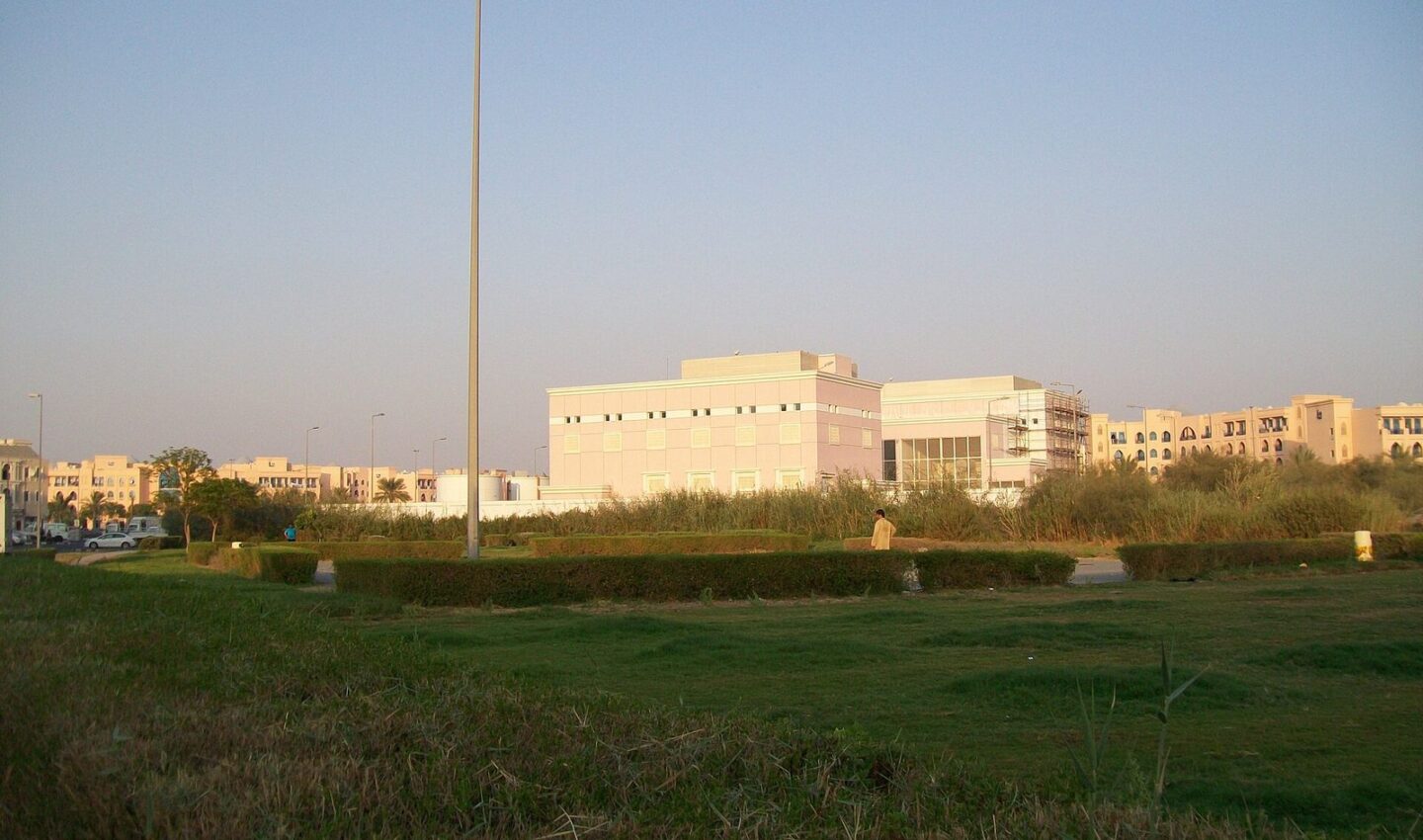
International City is a very affordable, country-themed cluster development near Academic City, known for studios and small flats. Grooming here splits into three tiers: the neighbourhood barber and salon (walk-in, cash-friendly, fast), the mid-range chain branches in the retail clusters, and destination spas and premium salons residents travel across the city for. Men’s barbers in older districts are famously good value; ladies’ salons range from home-service beauticians to full-service salons with hair, nails and hammam under one roof.
In International City, start with proximity — a decent salon ten minutes away beats a famous one across town for anything you repeat monthly. Read recent reviews with a Dubai filter: look for comments about booking honesty, hygiene and whether the stylist you booked is the stylist you get.
Keeping records like a resident
Long-term Dubai residents share one unglamorous habit: a records folder, physical or digital, containing the ID, the tenancy, the key contracts, the insurance cards and the last few official receipts for everything. It sounds excessive until the day a bank, a school or an officer asks for a document from two years ago — which, in this city’s joined-up bureaucracy, is a day that reliably comes. Build the folder as you go; reconstructing it afterwards is the painful version.
Common questions
Where do residents get reliable local detail?
Community groups for your district, school or workplace hold the lived detail — which branch is quick, what the process felt like last month. Combine that texture with the official source for the rule itself, and you have the full picture.
Can I do most of this online?
Mostly, yes — Dubai has moved the majority of resident transactions into official apps and portals. The steps that still need your presence are usually biometrics, medicals, signatures and original-document sighting. Start online, and attend in person only for the step that requires your body.
What is the most common mistake?
Acting on out-of-date advice. Systems here change yearly; a friend’s experience from a previous contract or a previous visa is a starting point, not a rule. The second most common mistake is paying an intermediary for a step the official app handles directly.
Where do residents get reliable local detail?
Community groups for your district, school or workplace hold the lived detail — which branch is quick, what the process felt like last month. Combine that texture with the official source for the rule itself, and you have the full picture.
The bottom line
Handled in the right order, daily life in International City is a solved problem — thousands of residents do it every month. Prepare the documents, use the official channels, keep your records, and it becomes one more piece of Dubai admin that quietly stays done. This guide is part of DXB Talk’s resident library at dxbtalk.com, where the guides interlock the way the systems do.