Ask ten Dubai residents about daily life in Al Sufouh and you will get ten confident answers, at least four of which are out of date. This guide sticks to how things work now: the systems involved, the steps in their real order, and the details that decide whether it goes smoothly or becomes a story you tell at dinner.
Spas, hammams and home services
Spa culture in Dubai runs from hotel spas (priced for occasions) to independent massage and hammam centres that residents use monthly. In and around Al Sufouh, check licensing and cleanliness signals: a proper trade licence on display, single-use items opened in front of you, and clear pricing before the treatment starts. Moroccan and Turkish hammams are a local institution worth trying once, ideally on a recommendation from a neighbour.
Home-service beauty apps and freelance technicians are popular in Al Sufouh for nails, waxing and blow-dries, especially among villa residents. Quality varies more than in salons, so start with a low-risk service, confirm the products used, and keep the number of anyone good — the best home technicians book out days ahead.
The local grooming map
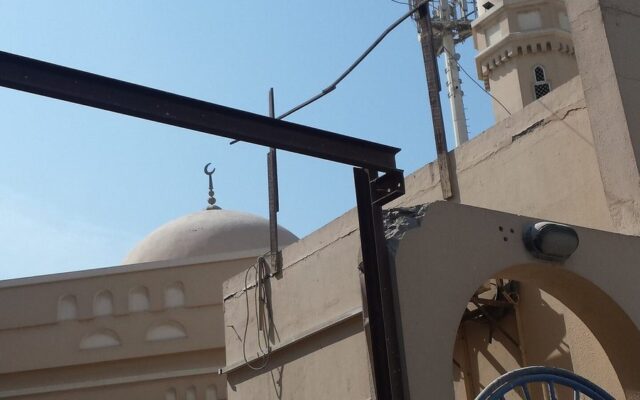
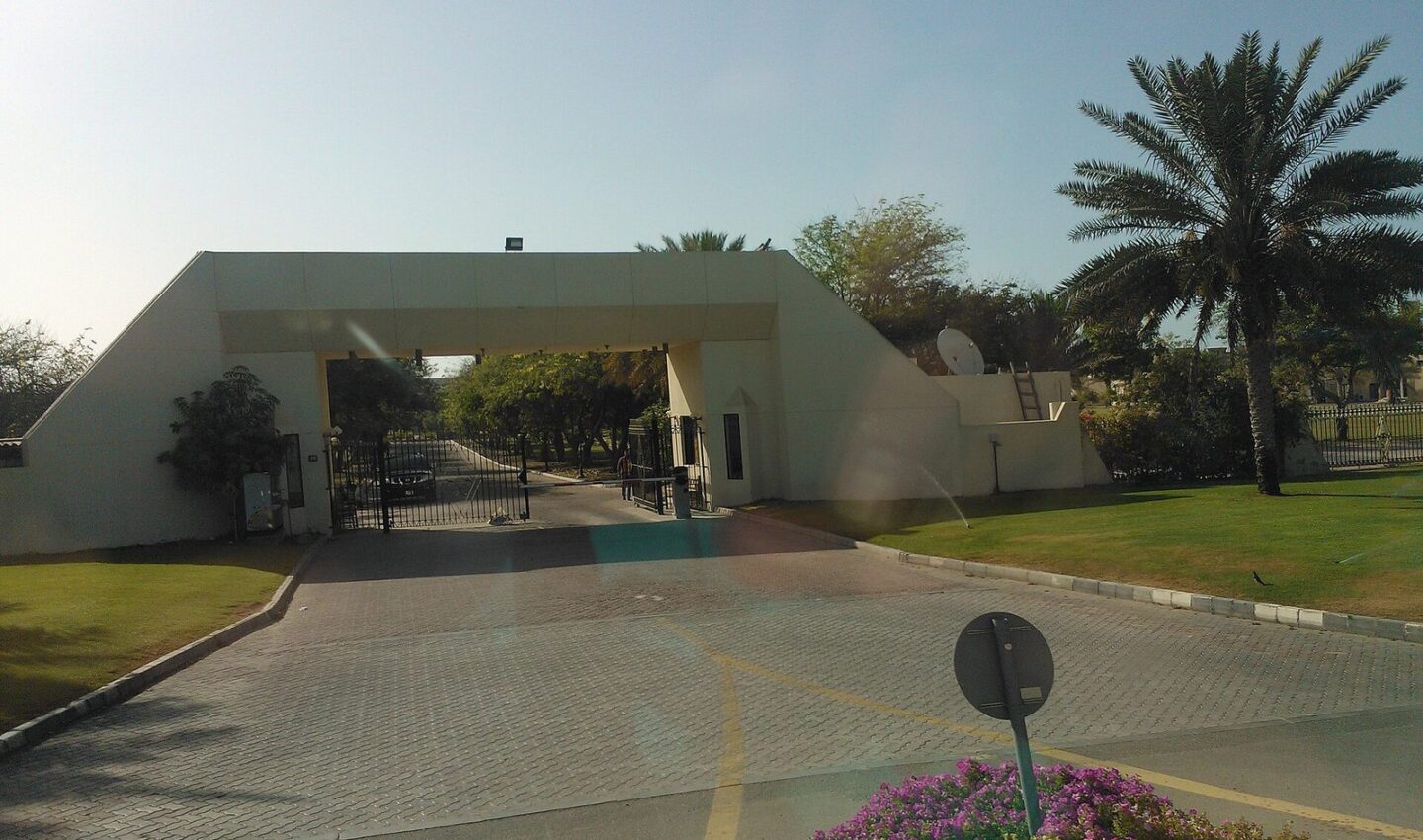
Al Sufouh is a quiet coastal strip between the Marina and Al Barsha, home to villas, palaces and media free zones nearby. Grooming here splits into three tiers: the neighbourhood barber and salon (walk-in, cash-friendly, fast), the mid-range chain branches in the retail clusters, and destination spas and premium salons residents travel across the city for. Men’s barbers in older districts are famously good value; ladies’ salons range from home-service beauticians to full-service salons with hair, nails and hammam under one roof.
In Al Sufouh, start with proximity — a decent salon ten minutes away beats a famous one across town for anything you repeat monthly. Read recent reviews with a Dubai filter: look for comments about booking honesty, hygiene and whether the stylist you booked is the stylist you get.
📸 Follow @dxbtalk1 on Instagram for daily Dubai in photos →
How this connects to the rest of Dubai life
Nothing in this guide sits alone. daily life in Al Sufouh touches your housing, your banking, your children’s schooling or your employer’s paperwork — usually two of those at once. That is why the sequencing advice in these guides keeps repeating: identity and residency first, then the tenancy and utility chain, then the money systems, then the lifestyle layer. Each completed layer makes the next one a formality.
It is also why small administrative untidiness compounds: an out-of-date phone number on your ID record blocks a bank OTP, which blocks a payment, which blocks a renewal. Keep the foundations current — ID, number, address records, document scans — and the whole city’s machinery stays oiled on your behalf.
Documents and preparation
Dubai runs on a short list of documents that recur everywhere: passport, Emirates ID, tenancy contract and Ejari where housing is involved, salary or income evidence where money is involved, and photographs in the current specification. For anything under this guide’s topic, assemble your set before you start — originals for in-person steps, clean scans on your phone for everything else.
Attestation is the preparation step newcomers underestimate: documents issued abroad (degrees, marriage and birth certificates above all) often need the attestation chain — home authority, UAE embassy, UAE foreign affairs — before a Dubai process will accept them. If your situation touches any of those, start that chain first; it is the longest pole in almost every tent.
Keeping records like a resident
Long-term Dubai residents share one unglamorous habit: a records folder, physical or digital, containing the ID, the tenancy, the key contracts, the insurance cards and the last few official receipts for everything. It sounds excessive until the day a bank, a school or an officer asks for a document from two years ago — which, in this city’s joined-up bureaucracy, is a day that reliably comes. Build the folder as you go; reconstructing it afterwards is the painful version.
Common questions
Can I do most of this online?
Mostly, yes — Dubai has moved the majority of resident transactions into official apps and portals. The steps that still need your presence are usually biometrics, medicals, signatures and original-document sighting. Start online, and attend in person only for the step that requires your body.
Where do residents get reliable local detail?
Community groups for your district, school or workplace hold the lived detail — which branch is quick, what the process felt like last month. Combine that texture with the official source for the rule itself, and you have the full picture.
What is the most common mistake?
Acting on out-of-date advice. Systems here change yearly; a friend’s experience from a previous contract or a previous visa is a starting point, not a rule. The second most common mistake is paying an intermediary for a step the official app handles directly.
Where do residents get reliable local detail?
Community groups for your district, school or workplace hold the lived detail — which branch is quick, what the process felt like last month. Combine that texture with the official source for the rule itself, and you have the full picture.
The bottom line
Handled in the right order, daily life in Al Sufouh is a solved problem — thousands of residents do it every month. Prepare the documents, use the official channels, keep your records, and it becomes one more piece of Dubai admin that quietly stays done. This guide is part of DXB Talk’s resident library at dxbtalk.com, where the guides interlock the way the systems do.