Dubai runs on systems, and a Retail company in Dubai Design District sits at the crossing of several of them. Get the sequence right and it is a morning’s work; get it wrong and it follows you for months. Here is the sequence, the paperwork, and the local knowledge that turns a bureaucratic obstacle course into a routine errand.
Timing: when to do what
Timing shapes outcomes here more than most cities. The working week runs Monday to Friday, government counters are calmest early in the morning, and the calendar bends around Ramadan (shorter official hours, slower processing, evenings that come alive) and the summer months, when decision-makers travel and some processes stretch. School, tenancy and visa cycles interlock: a September school start implies a spring application, a summer tenancy signing and documents attested before either.
Plan backwards from the date that cannot move — the lease start, the school term, the visa expiry — and put your own deadlines a fortnight ahead of the official ones. The residents who glide through Dubai’s systems are not better connected; they are simply earlier.
What these companies do and how they work
A Retail company in a free zone typically operates as selling goods to the public. Free zone status shapes the work in specific ways: the company can trade internationally and within the free zone freely, while selling into the UAE mainland market runs through local distributors, agents or a mainland branch — a structure to understand before you buy services, because it affects invoicing, customs and VAT treatment.
Most Retail firms in Dubai Design District are small — founder-led teams under ten people — with larger regional offices at the top of the cluster. Hiring runs on the zone’s visa packages, and much of the ecosystem’s real work happens through subcontracting between cluster companies.
📸 Follow @dxbtalk1 on Instagram for daily Dubai in photos →
The Retail cluster in Dubai Design District
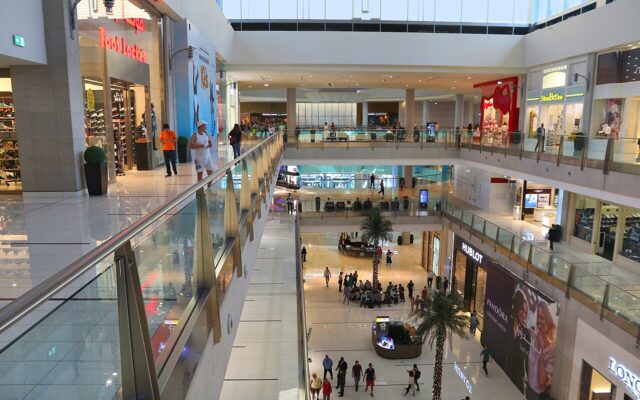
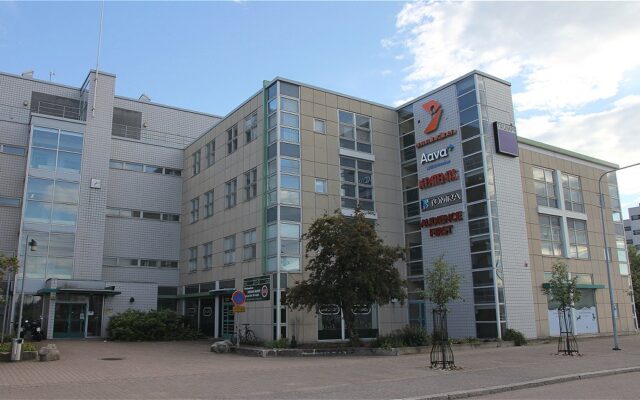
Dubai Design District is d3 — the design district in Business Bay’s extension, built for fashion, design and creative brands. Within it, Retail companies form one of the working clusters: firms that chose the zone for its industry fit, its client geography, or its cost line. The cluster’s real value is proximity — suppliers, partners, freelancers and clients within the same few buildings, and a business community that the zone’s events and directories are built to connect.
If you are researching Retail companies in Dubai Design District — as a client, partner or competitor — the zone’s member directory and the companies’ own filings are the reliable sources. Verify any company’s licence status through the zone or the national economic register before signing contracts or paying deposits; legitimate firms expect the check.
Joining the cluster
Setting up alongside them follows the standard free zone sequence: activity selection (free zone companies selling into the local market work through distributors or local arrangements — structure the sales route before the stock), name reservation, application and documents, incorporation, licence and establishment card, then banking and visas. For Retail, the activity wording on the licence is the detail to get right — it defines what you may legally sell, and amending it later costs time and fees.
Budget the full first year, not the licence headline: incorporation, card, office or flexi-desk, visas, bank compliance time, and the accounting you will need from month one under the corporate tax regime. Companies that plan that full picture in Dubai Design District rarely regret the zone; companies that buy the cheapest licence and improvise often do.
Keeping records like a resident
Long-term Dubai residents share one unglamorous habit: a records folder, physical or digital, containing the ID, the tenancy, the key contracts, the insurance cards and the last few official receipts for everything. It sounds excessive until the day a bank, a school or an officer asks for a document from two years ago — which, in this city’s joined-up bureaucracy, is a day that reliably comes. Build the folder as you go; reconstructing it afterwards is the painful version.
Common questions
Where do residents get reliable local detail?
Community groups for your district, school or workplace hold the lived detail — which branch is quick, what the process felt like last month. Combine that texture with the official source for the rule itself, and you have the full picture.
Can I do most of this online?
Mostly, yes — Dubai has moved the majority of resident transactions into official apps and portals. The steps that still need your presence are usually biometrics, medicals, signatures and original-document sighting. Start online, and attend in person only for the step that requires your body.
What is the most common mistake?
Acting on out-of-date advice. Systems here change yearly; a friend’s experience from a previous contract or a previous visa is a starting point, not a rule. The second most common mistake is paying an intermediary for a step the official app handles directly.
Where do residents get reliable local detail?
Community groups for your district, school or workplace hold the lived detail — which branch is quick, what the process felt like last month. Combine that texture with the official source for the rule itself, and you have the full picture.
The bottom line
Handled in the right order, a Retail company in Dubai Design District is a solved problem — thousands of residents do it every month. Prepare the documents, use the official channels, keep your records, and it becomes one more piece of Dubai admin that quietly stays done. This guide is part of DXB Talk’s resident library at dxbtalk.com, where the guides interlock the way the systems do.