

Ask ten Dubai residents about daily life in Oud Metha and you will get ten confident answers, at least four of which are out of date. This guide sticks to how things work now: the systems involved, the steps in their real order, and the details that decide whether it goes smoothly or becomes a story you tell at dinner.
Getting around from Oud Metha
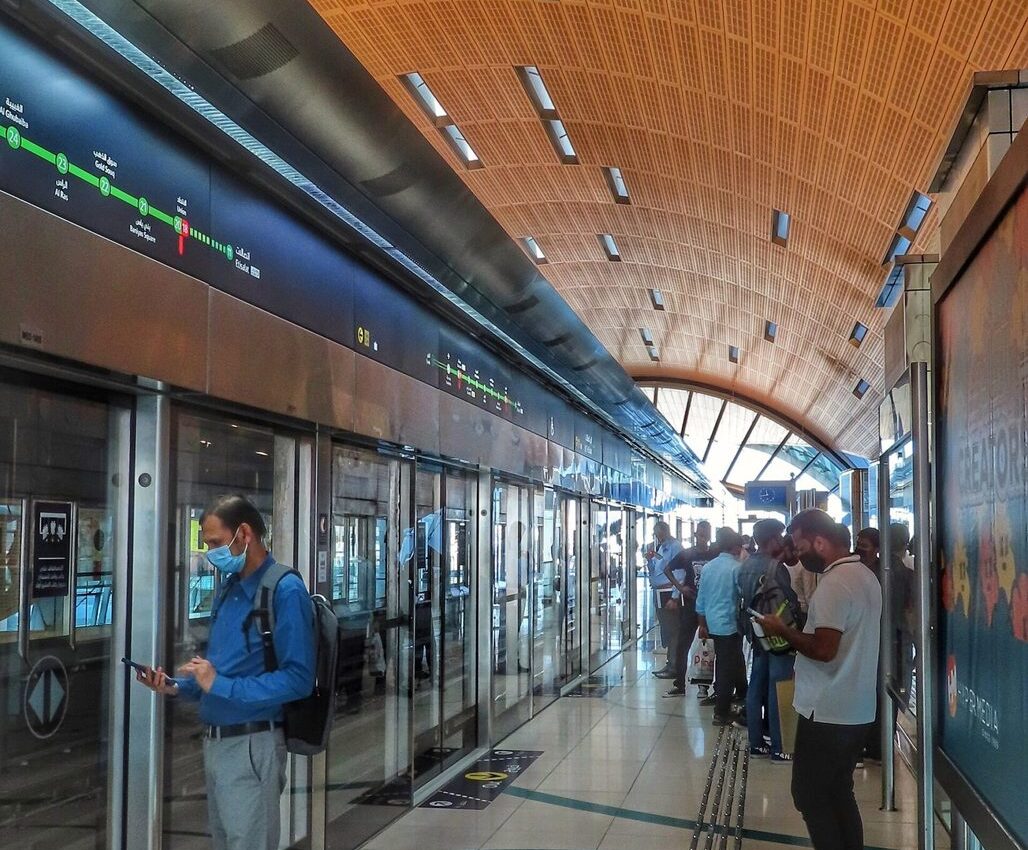
Oud Metha is a quiet, central district of schools, clubs, churches and mid-rise blocks near Healthcare City. Your transport reality depends on three things: distance to a metro station (Red and Green lines cover the city’s spine), the bus network that feeds the stations, and how much of your life sits within taxi distance. The Nol card unifies metro, bus, tram and paid parking; the RTA’s S’hail app plans journeys and shows live timings. From Oud Metha, map your two or three daily journeys honestly before deciding you need a car.
Feeder buses are the underrated layer — frequent on main corridors, air-conditioned, and timed to the metro. Bus stops and shelters vary; summer walking distance to a stop is a real constraint, so measure it in minutes of shade, not metres on a map.
Taxis, ride-hailing and going car-free
Dubai taxis are plentiful, metered and safe; ride-hailing (Careem, Uber and local options) adds booking and car-class choice at a premium. From Oud Metha, learn the peak patterns — rain (rare but chaotic), Thursday-evening and event-night surges, and the airport rush. School and work packages exist through transport companies for regular routes.
Going car-free in Oud Metha is genuinely possible if your life is metro-shaped, and it deletes the costs of Salik, parking, insurance, testing and maintenance at a stroke. Do the honest annual maths with your real taxi spend from two months of apps before deciding — residents guess this number wrong in both directions.
📸 Follow @dxbtalk1 on Instagram for daily Dubai in photos →
How this connects to the rest of Dubai life
Nothing in this guide sits alone. daily life in Oud Metha touches your housing, your banking, your children’s schooling or your employer’s paperwork — usually two of those at once. That is why the sequencing advice in these guides keeps repeating: identity and residency first, then the tenancy and utility chain, then the money systems, then the lifestyle layer. Each completed layer makes the next one a formality.
It is also why small administrative untidiness compounds: an out-of-date phone number on your ID record blocks a bank OTP, which blocks a payment, which blocks a renewal. Keep the foundations current — ID, number, address records, document scans — and the whole city’s machinery stays oiled on your behalf.
Documents and preparation
Dubai runs on a short list of documents that recur everywhere: passport, Emirates ID, tenancy contract and Ejari where housing is involved, salary or income evidence where money is involved, and photographs in the current specification. For anything under this guide’s topic, assemble your set before you start — originals for in-person steps, clean scans on your phone for everything else.
Attestation is the preparation step newcomers underestimate: documents issued abroad (degrees, marriage and birth certificates above all) often need the attestation chain — home authority, UAE embassy, UAE foreign affairs — before a Dubai process will accept them. If your situation touches any of those, start that chain first; it is the longest pole in almost every tent.
The long view
It is worth remembering what all this admin is for. Dubai rewards the settled: the resident with clean records, a stable address history and documents in order finds that doors open quickly — credit, tenancies, visas for family, business opportunities. The systems described in this guide are the toll gates on that road, and they are all, individually, quite passable. Take them one at a time, in the right order, and the city becomes remarkably easy to live in.
Common questions
Can I do most of this online?
Mostly, yes — Dubai has moved the majority of resident transactions into official apps and portals. The steps that still need your presence are usually biometrics, medicals, signatures and original-document sighting. Start online, and attend in person only for the step that requires your body.
Where do residents get reliable local detail?
Community groups for your district, school or workplace hold the lived detail — which branch is quick, what the process felt like last month. Combine that texture with the official source for the rule itself, and you have the full picture.
What is the most common mistake?
Acting on out-of-date advice. Systems here change yearly; a friend’s experience from a previous contract or a previous visa is a starting point, not a rule. The second most common mistake is paying an intermediary for a step the official app handles directly.
Where do residents get reliable local detail?
Community groups for your district, school or workplace hold the lived detail — which branch is quick, what the process felt like last month. Combine that texture with the official source for the rule itself, and you have the full picture.
The bottom line
None of this needs to be stressful. daily life in Oud Metha rewards the same three habits as everything else in Dubai: start earlier than feels necessary, keep every reference number, and verify the final step on the official channel. Do that, and consider it handled — and keep dxbtalk.com bookmarked for the next system you meet.





