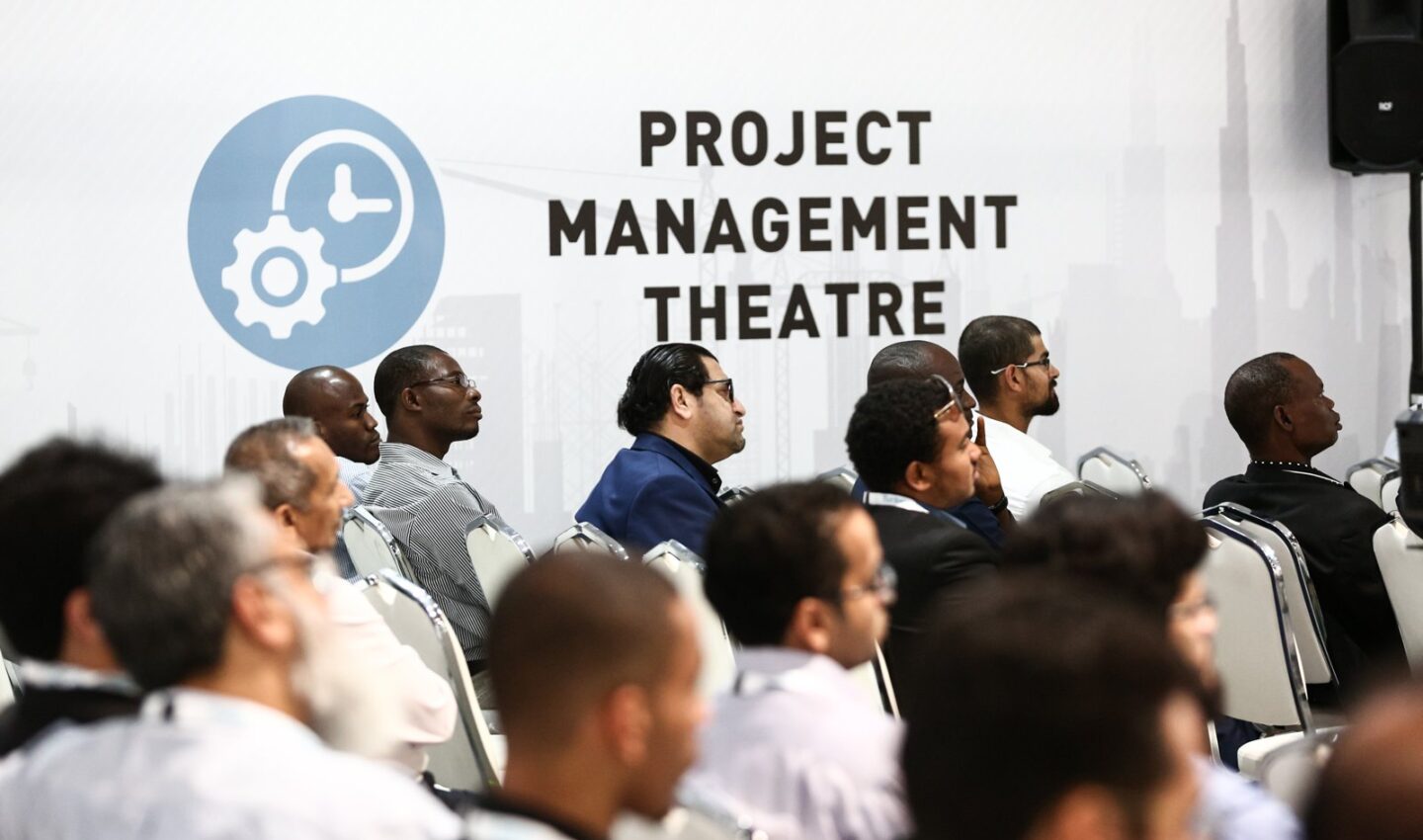
Few letters carry as much weight in Dubai’s project-driven economy as PMP. Construction, technology, events, oil and gas, government programmes — the Emirates run on projects, and the Project Management Professional certification from the Project Management Institute (PMI) is the credential employers most commonly request for the people who run them. Its junior sibling, the CAPM, serves those starting out. This guide explains both qualifications, the eligibility rules in outline, and how preparation courses in Dubai work. Eligibility criteria and exam arrangements are set by PMI and change over time, so verify the current details on PMI’s own site before applying.
PMP and CAPM: Which One Is for You?
The PMP is aimed at experienced project managers. In outline, eligibility has traditionally required a combination of formal education, a substantial number of hours leading and directing projects — the requirement differs for degree holders and those without a degree — and a set amount of project management training, commonly thirty-five contact hours, before you may sit the exam. The CAPM (Certified Associate in Project Management) is designed for those with little or no project experience: it typically requires secondary education and a smaller amount of project management training, and it tests foundational knowledge of PMI’s approach.
The practical distinction for Dubai jobseekers is sharp. PMP appears as a requirement or strong preference in mid-level and senior project roles across construction, IT and consulting. CAPM suits graduates, coordinators and career switchers who want to signal intent while they build the experience PMP demands.
The Exams in Outline
The PMP exam is a long, scenario-heavy test of applied judgement — questions place you in project situations spanning people, process and business environment domains, with a significant share addressing agile and hybrid approaches alongside predictive methods. It is available at authorised test centres in Dubai and, by arrangement, online with remote proctoring, subject to PMI’s rules. The CAPM exam is shorter and more knowledge-based. Fees are charged by PMI, differ for members and non-members, and are published on PMI’s website; membership can make overall financial sense when bundled with the exam, but compare the current figures yourself rather than relying on advice from course sales teams.
Preparation Courses in Dubai
Training providers across Dubai — in Business Bay, JLT, Deira and Knowledge Park, plus online — run PMP preparation courses, and the authorised training partner status is worth checking: PMI operates an Authorized Training Partner programme, and partners use licensed materials. A typical prep course runs over four or five intensive days, or several weeks of evenings and weekends for working professionals, and fulfils the training-hours requirement for the application. Good courses include question banks, at least one full mock exam, and help with the application itself — the experience documentation section is where many candidates stall.
Course fees vary — confirm with the institute — and the range in Dubai is wide. Be wary of any provider guaranteeing a pass; the honest ones publish how they support retakes and what their students’ typical preparation timeline looks like, which for working professionals is usually two to four months of study around the course itself.
📸 Follow @dxbtalk1 on Instagram for daily Dubai in photos →
Studying Around a Dubai Job
- Treat the application as a project. Documenting your project experience takes longer than expected; start it early.
- Study in daily increments. An hour of questions each morning beats occasional weekend marathons for retention.
- Use your real projects. Mapping PMI terminology onto the projects you are running at work makes abstract concepts concrete.
- Join the local community. The PMI’s UAE chapter activity and study groups in Dubai connect you with candidates at the same stage.
After Certification
Both credentials require maintenance: PMP holders renew on a cycle by earning professional development units through work, training and giving back to the profession; CAPM has its own renewal requirements. In Dubai’s market, the certificate opens doors but interviews test lived experience, so pair the letters with a crisp account of projects you have delivered — scope, budget, stakeholders and what went wrong. That combination, credential plus evidence, is what the city’s project employers are actually buying. It is also what makes the months of evening study worthwhile: the certificate may get you the interview, but it is the story of delivery behind it that gets you the offer and the salary that follows.