

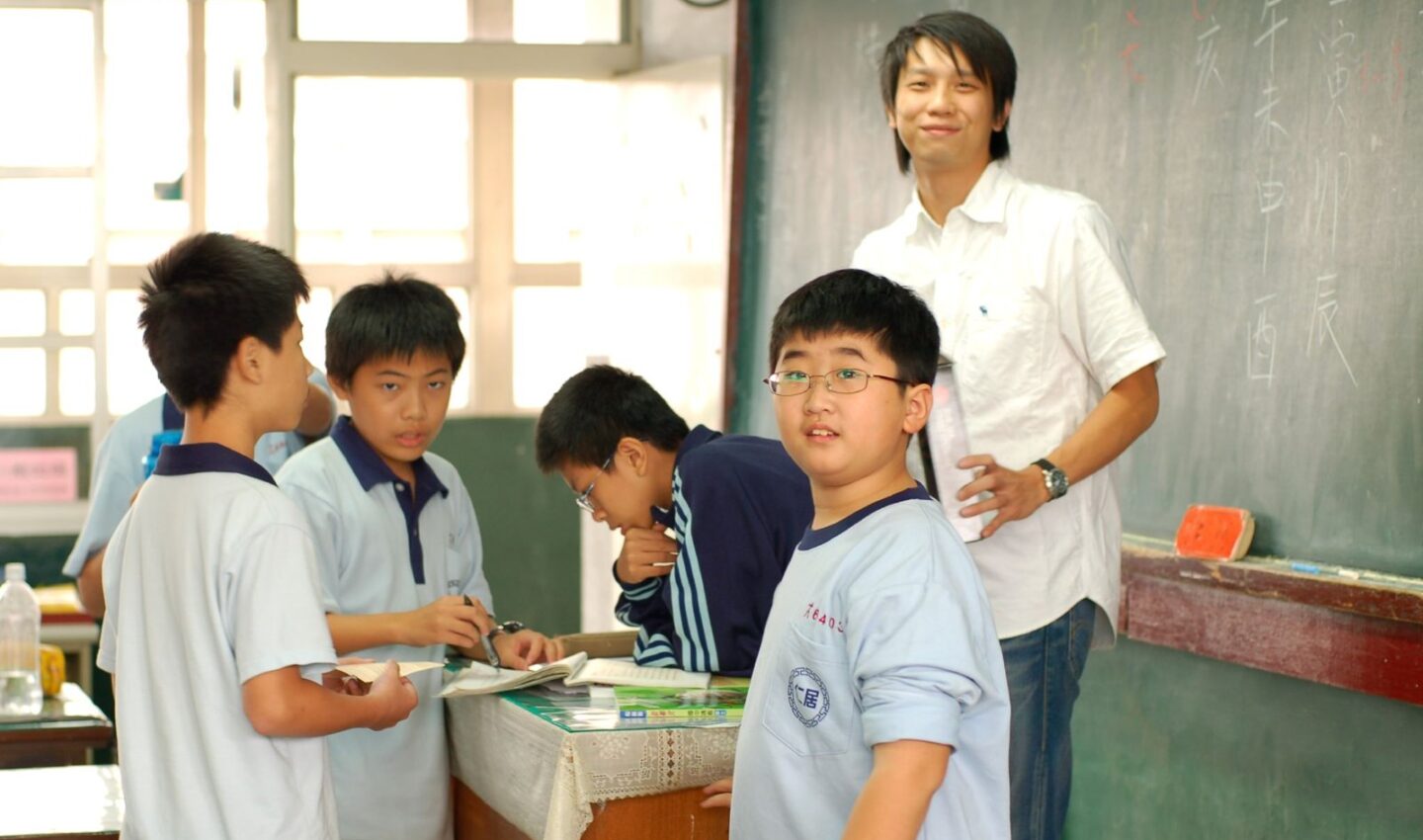
The move from primary to secondary school is one of the biggest transitions in a child’s education, and in Dubai it often comes with extra layers: a new campus across town, a longer school run, a different uniform, and sometimes a whole new school if the family chooses a through-school or a standalone secondary. Children who were the oldest and most confident in their primary setting suddenly become the youngest again, navigating bigger buildings, multiple teachers and older students. With thoughtful preparation, most children settle far faster than their parents expect — but the weeks around the move deserve care and attention.
What Actually Changes for Your Child
In practical terms, the shift from Year 6 or Grade 5 into secondary usually means moving between classrooms for different subjects instead of staying with one class teacher, managing a personal timetable, carrying more books and equipment, and being responsible for homework set by several teachers at once. Lessons may feel faster, and expectations around independent work rise noticeably. Socially, friendship groups are often reshuffled into new form classes, and the playground hierarchy resets entirely.
For many children this is exciting rather than daunting: new laboratories, sports facilities, clubs and specialist teachers are genuine draws. The children who struggle most are often those caught off guard by the organisational demands rather than the academic level. Talking through the changes in advance — concretely, not in vague reassurance — helps children picture the new routine as something manageable rather than mysterious.
Induction Days and School Support
Most Dubai schools run induction or transition days, typically in the final term of primary or the first days of the new academic year. Children tour the building, meet form tutors, sample lessons and learn practical essentials such as where to eat, where lockers are and which bus or gate to use. Some schools pair new students with an older buddy or run summer activities so the first real day already feels familiar. Take these opportunities seriously and attend anything offered for parents too; schools share useful detail about communication channels, apps and reporting at these sessions.
If your child has additional needs, an individual education plan, or simply a nervous temperament, contact the secondary school’s pastoral or inclusion team early. Schools operating under the KHDA framework are expected to support smooth transitions, and a short handover conversation between the primary and secondary teams can prevent weeks of avoidable anxiety. Ask what information travels with your child and whether you can add context of your own.
📸 Follow @dxbtalk1 on Instagram for daily Dubai in photos →
Building New Routines at Home
The school run itself often changes. Secondary start times, bus routes from areas such as Arabian Ranches, JVC or Mirdif, and after-school activities can reshape the family’s whole morning. Practise the journey once or twice before term starts if your child will travel by bus or walk to a pick-up point, and agree a simple routine for the evening before: bag packed, uniform ready, devices charged and put away at a sensible hour.
- Set up one place at home where school bags, shoes and PE kit live.
- Introduce a shared calendar or planner for homework and activities.
- Agree phone and messaging rules early, as group chats expand quickly.
- Keep bedtime earlier than you think necessary for the first half term.
Small systems like these reduce the daily friction that can make a child feel the new school is “too much”, when really it is the mornings that are too chaotic.
Friendships, Feelings and the Emotional Side
It is completely normal for children to feel a mixture of excitement and grief. They may miss a beloved primary teacher, worry about losing friends who are moving to different schools, or feel tearful in the first fortnight despite enjoying the days themselves. Keep questions open and low-pressure — “what was the best bit of today?” works better than interrogation — and resist the urge to fix every wobble immediately. Friendships in the first term are famously fluid; the best friend of week two may be a passing acquaintance by half term, and that is ordinary.
Watch instead for sustained changes: persistent reluctance to attend, sleep problems lasting beyond the first few weeks, loss of appetite or a child becoming unusually withdrawn. Those are worth raising with the form tutor promptly. Dubai schools typically have counsellors and pastoral leads precisely for this stage, and early conversations almost always help.
When the Move Also Means a New School
Families changing schools at this point — for curriculum, location or fees — should factor in that their child faces a double transition. Help them stay in touch with old friends through the first term while actively encouraging new commitments: one club or team joined early often anchors a child’s whole social life. If you are still choosing a school, look beyond facilities to how the school structures its youngest secondary years, and check the latest KHDA inspection report for an independent picture of pastoral care and teaching quality.
Above all, hold your nerve and project calm confidence. Children take their emotional cues from home. If you treat the move as a natural, exciting step that they are ready for — with honest acknowledgement that some days will be wobbly — they will usually believe you, and by the first holiday most families wonder what the worry was about.





