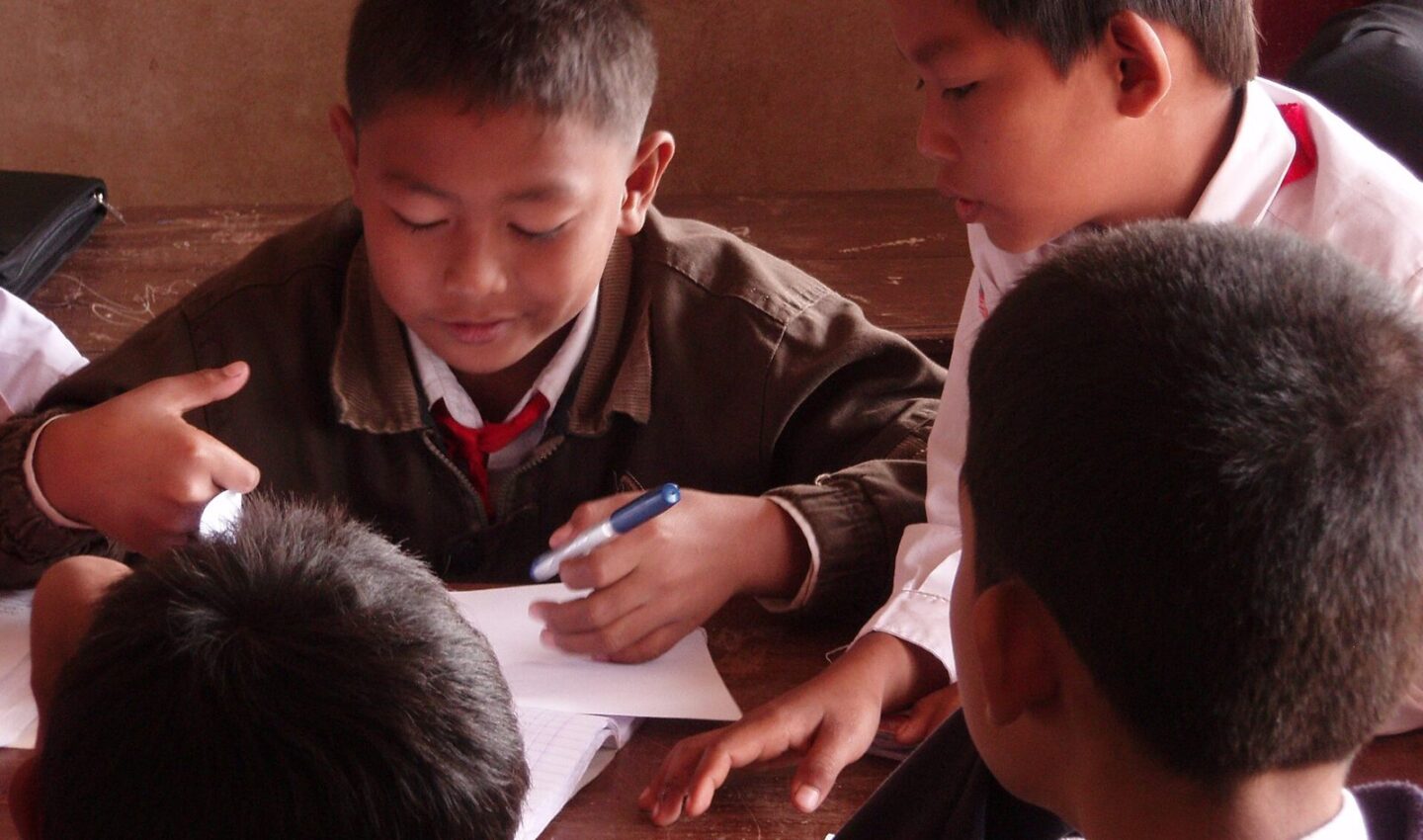
Families choose Al Warqaa for its villa streets, parks and comparatively affordable rents, and the question that follows the move is almost always about schooling. The area and its immediate neighbours host a growing choice of primary schools across British, Indian, American and UAE Ministry curricula, with more options a short drive away in Mirdif, International City and Festival City. This guide explains how admissions work, what to budget as a guide, and how to judge whether a school genuinely suits your child rather than just its brochure.
The Choice of Curricula Around Al Warqaa
Al Warqaa sits in the east of Dubai, and its school scene reflects the families who live there: a strong Indian-curriculum presence, several British-curriculum schools, and Ministry of Education schools serving Emirati families. British schools follow the English National Curriculum with phonics-led early years, while CBSE schools build towards Indian board examinations later on. American-curriculum options are fewer locally but available within a fifteen to twenty minute drive. None of these routes is automatically better; what matters is continuity. If you expect to move countries again, pick the curriculum your child is most likely to continue in, because switching systems mid-primary is manageable but rarely ideal.
All private schools in Dubai are regulated and inspected by the KHDA, which publishes inspection ratings and fee information. Reading the most recent inspection report for any school on your shortlist is the single most useful free step you can take: it covers teaching quality, safeguarding, inclusion and how well the school supports children for whom English or Arabic is an additional language.
Admissions, Step by Step
Popular primary schools fill early, and waiting lists for FS1, FS2 and Year 1 can open a full year ahead. The usual sequence looks like this:
- Shortlist three or four schools using KHDA reports, location and your curriculum preference
- Register online and pay the application or assessment fee, which is typically around AED 500 as a guide and is usually non-refundable
- Attend an assessment or play-based observation for younger children, and a family meeting
- Accept the offer promptly and pay the registration deposit, often up to 10 percent of annual fees, to secure the seat
- Submit documents: passports, Emirates IDs, birth certificate, vaccination records, photos and the transfer certificate for children arriving from another school or country
Children must meet the age cut-off rules that apply to their curriculum, and schools will confirm the correct year group from the date of birth on the passport. If you are arriving from overseas mid-year, ask specifically about mid-term entry, because several Al Warqaa schools keep a small number of places for relocating families.
📸 Follow @dxbtalk1 on Instagram for daily Dubai in photos →
Fees and the Real Cost of the School Year
Fees in this part of Dubai are generally lower than in the city’s western districts, which is one of Al Warqaa’s main draws. As a guide only, primary fees at schools in and around the area typically range from around AED 10,000 a year at the most affordable Indian-curriculum schools to around AED 35,000 or more at British-curriculum schools, and you should always confirm the current approved fee schedule on the KHDA website or directly with the school, because fees are regulated and change only with approval. Budget beyond tuition as well:
- Registration and assessment fees at application stage
- Uniforms, books and device or e-learning charges
- School bus transport, which can add a noticeable annual sum per child
- Lunches, after-school clubs and school trips through the year
The School Run and Daily Life
Al Warqaa’s villa layout means many families live within walking or short cycling distance of a school gate, but summer heat makes the bus or car the norm for most of the year. School buses serving the area run set routes through Al Warqaa 1 to 4 and into neighbouring districts, and traffic builds around the main school streets between roughly 7am and 8am. If you drive, learn the school’s drop-off system in the first week; most schools run supervised one-way loops that work well once everyone follows them. After school, the area’s parks, including the large Mushrif Park nearby, and community sports clubs absorb a lot of the afternoon energy.
FAQ
When should I apply for a primary place in Al Warqaa?
As early as the school allows, ideally the autumn before the September start. Popular year groups operate waiting lists, and applying to more than one school is normal.
Are school fees in Al Warqaa lower than in other parts of Dubai?
Generally yes. The east of the city tends to be more affordable, but fees vary widely by curriculum. Always check the current approved fees with the KHDA or the school.
Can my child join mid-year from another country?
Usually, subject to places and KHDA transfer rules. You will need a transfer certificate and attested documents in some cases, so start the paperwork before you move.
For more neighbourhood guides, daily living tips and updates from across the city, visit DXB Talk and browse the full Dubai Areas section, where you will find school, parks and family guides for Al Warqaa alongside guides to dozens of other communities.