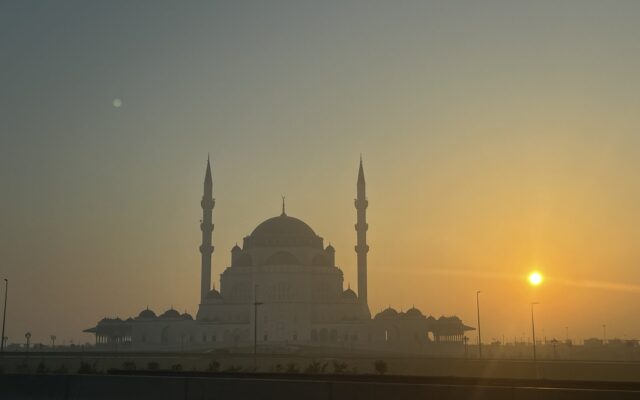
Jebel Ali is where Dubai does its heavy lifting: one of the world’s great ports, a vast free zone of warehouses and factories, and — tucked among the industry — villages, villa streets and apartment communities full of families who have lived here for years. Prayer in Jebel Ali has to serve both worlds at once: the shift worker finishing a night at the port, the engineer on a lunch break, the grandmother in Jebel Ali Village walking to Maghrib with her grandchildren. The good news is that it does, through a spread of mosques and workplace prayer spaces that cover the district from the village to the Ibn Battuta side.
The village: Jebel Ali’s original community
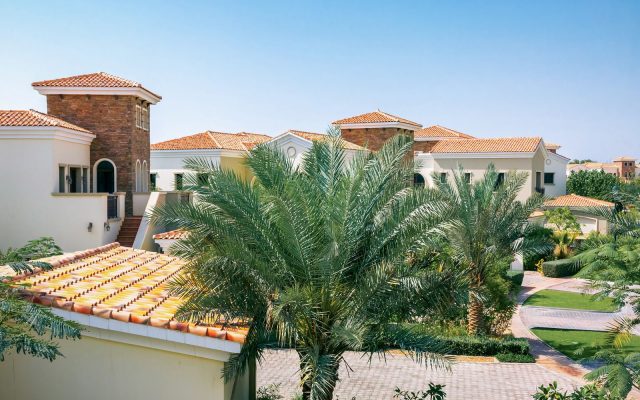
Jebel Ali Village is one of Dubai’s elder suburbs, a leafy, low-rise community with a famously mixed population and a settled, almost small-town feel that surprises people who only know the port. Its mosques carry that character. Congregations here are stable and neighbourly — families who have prayed together through school runs, promotions, retirements and the arrival of grandchildren. Friday prayer in the village has the air of a weekly village meeting, conducted largely through handshakes: long, warm and in no hurry at all.
For village families, daily prayer is a walk through quiet streets; for the many staff who work in the village’s schools, clubs and services, the same mosques sit conveniently inside the working day. Prayer times move daily with the sun, so the official UAE calendar or a prayer times app for the day is checked each morning, particularly by those timing a prayer around a shift change or the school run.
The port and free zone: prayer on shift time
Across the highway, the industrial Jebel Ali runs on rosters, and its prayer life runs with them. Larger employers and facilities in the free zone commonly provide prayer rooms for their staff, and mosques serve the wider workforce — sized and timed for men and women who may arrive in waves as shifts rotate. The Asr break in a warehouse district is a small study in organisation: colleagues covering for colleagues, a steady flow to the musallah, and work resuming with the particular calm that a pause well taken gives to the rest of the afternoon.
The congregation here is the world’s workforce in microcosm. South Asian, Southeast Asian, African and Arab workers stand together at Dhuhr in numbers that reflect who actually builds, loads, drives and maintains Dubai. At Maghrib in Ramadan — the month’s dates set by moon sighting and official announcement — shared iftars around the mosques and facilities carry a brotherhood and sisterhood that shift-workers describe with real affection: people far from home, feeding each other like family.
📸 Follow @dxbtalk1 on Instagram for daily Dubai in photos →
The Ibn Battuta side: shoppers, staff and travellers
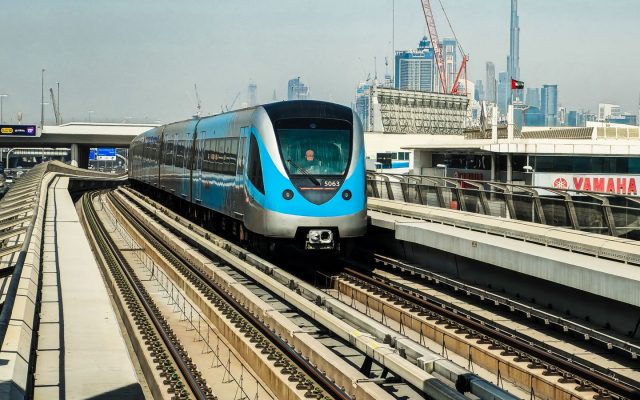
At the district’s eastern gateway, the Ibn Battuta area blends a landmark mall, hotels, offices and the metro. Prayer options blend too: prayer rooms inside the mall for shoppers and staff, and mosques serving the surrounding communities and the Gardens side. For workers in the retail and hospitality businesses here, that combination covers the day neatly — a musallah for the mid-shift prayer, the mosque for Friday and evenings.
- Shift workers: agree cover with your team early; Jebel Ali workplaces are well practised at prayer rotations.
- Families: the village mosques are the community’s social centre — newcomers are absorbed quickly and kindly.
- Friday: allow extra time; village and workforce congregations together make for full halls.
One district, two tempos
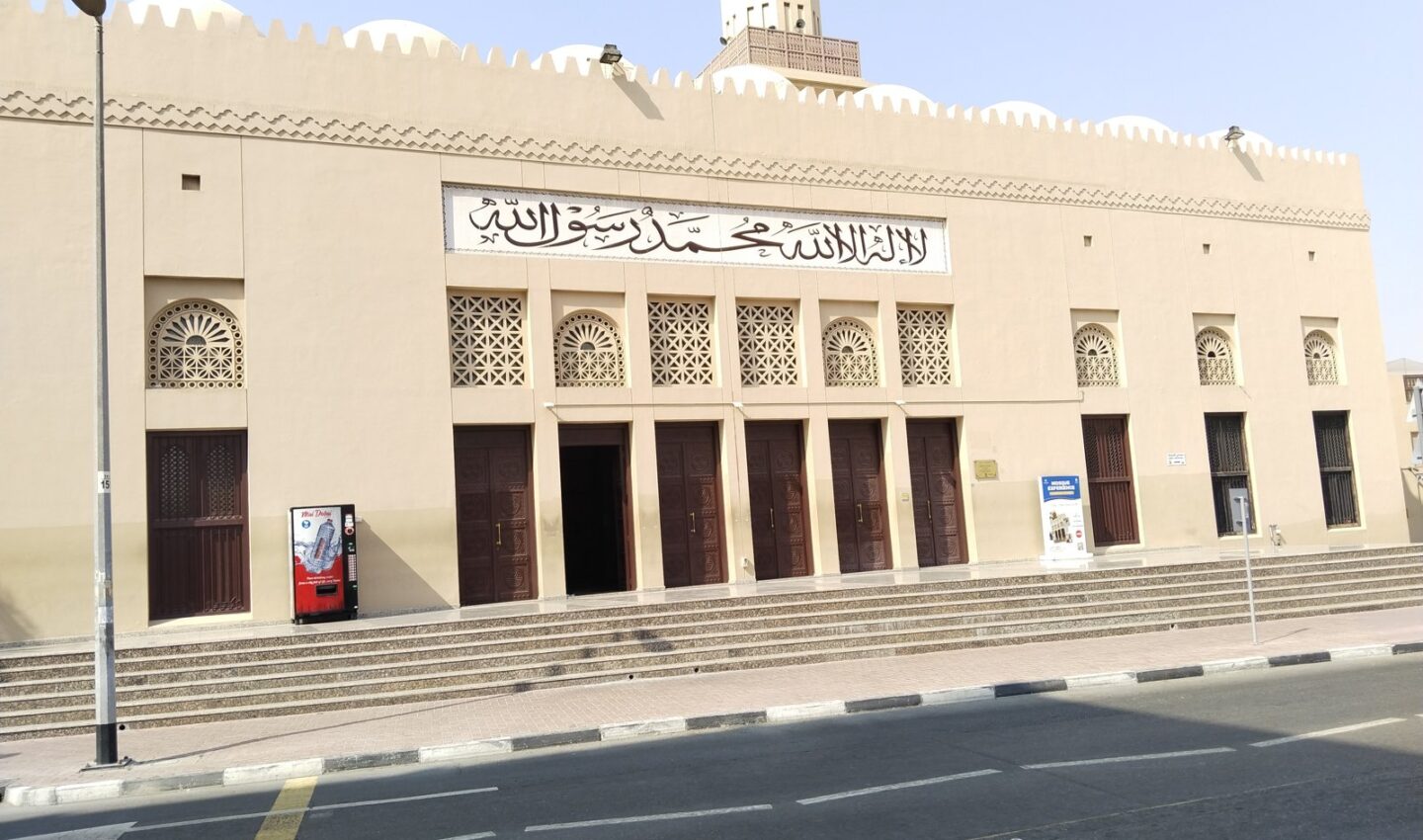
Most mosques in Jebel Ali are working places of worship rather than visitor sites, and non-Muslim entry varies by mosque; those seeking a guided visit should head for Jumeirah Mosque’s tours up the coast. But the district’s prayer story needs no ticket. It is there in the village street at dawn and the free zone at noon: two tempos, one call.
Dubai likes to present Jebel Ali as cranes and containers. Its mosques tell the fuller truth — that behind the port stands a community, praying. Ports may run around the clock, but in Jebel Ali, five times a day, even the cranes seem to pause while the people beneath them gather, shoulder to shoulder, from every nation on the shipping map.