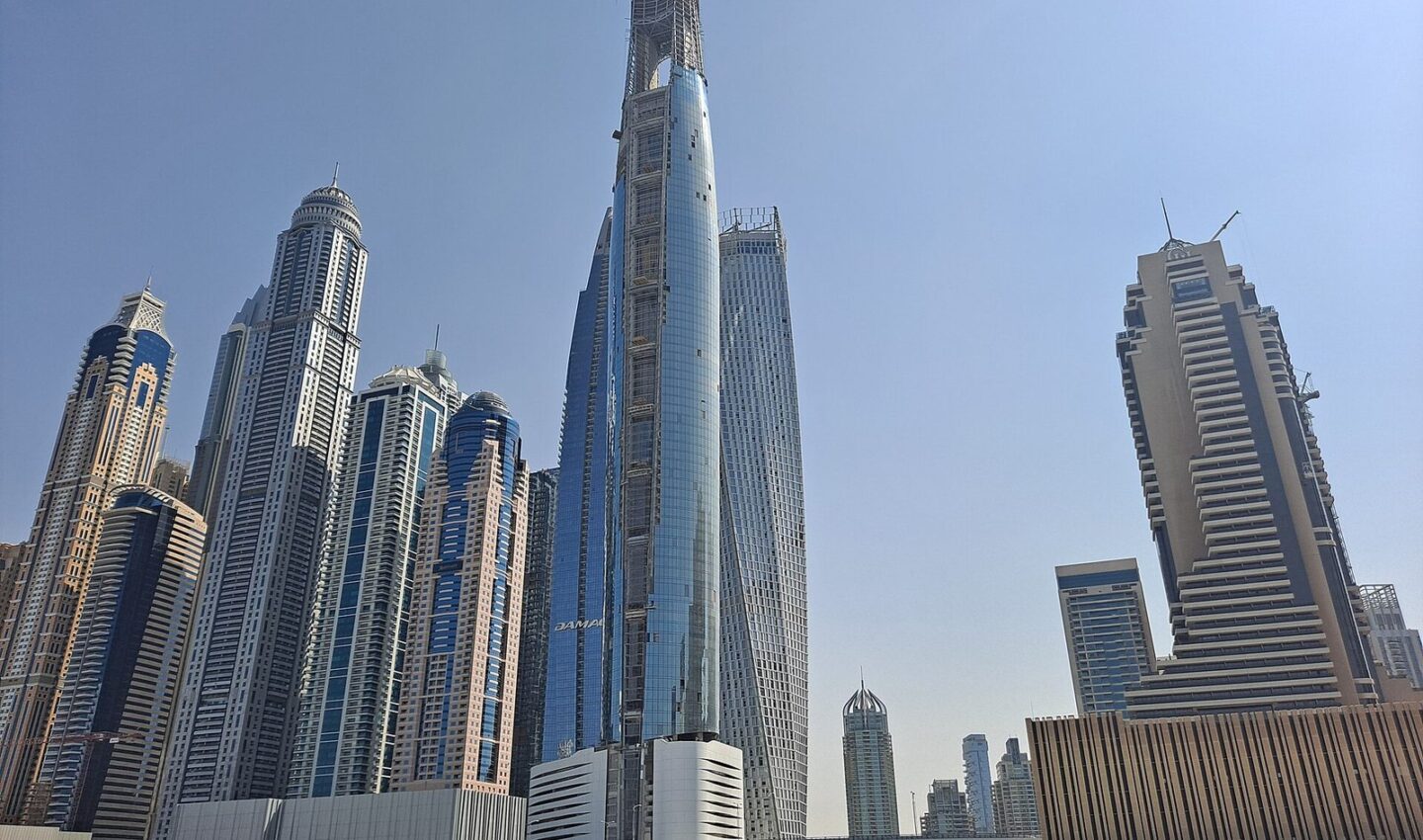
Thinking about Palm Jumeirah|Mirdif? This guide looks at what living there is really like: the housing mix, how people get around, where they eat and shop, and who tends to be happiest there.
What this covers
This guide explains palm Jumeirah vs Mirdif for Families: Schools, Space and Community in plain language, written for people who live in Dubai or are about to. It walks through how things actually work on the ground, the order to do them in, and the points where residents usually get stuck.
It also helps to talk to people who have done it recently. Community groups for your building, school or nationality are full of residents comparing notes — treat their experiences as leads to verify, not as rules.
How it works in Dubai
The city’s systems are fast when your paperwork is in order and slow when it is not. Emirates ID is the key that unlocks almost everything, and most delays trace back to a missing document, an expired approval or a name that does not match across records.
If your situation has an unusual twist — a visa type in transition, a document from a country with no embassy here, a medical condition, a business activity that sits between two categories — go straight to the authority or a licensed specialist early. Edge cases are where generic advice stops working.
📸 Follow @dxbtalk1 on Instagram for daily Dubai in photos →
Step by step
Start by confirming the current requirements on the official website or app, because fees and rules in Dubai change without much notice. Next, gather the documents listed there and check that names and dates match your passport and Emirates ID exactly. Then book or apply through the official channel, keep the reference number, and follow the status in the app rather than relying on verbal updates.
- Check the current rule on the official channel before you start
- Prepare documents with names matching your passport and Emirates ID
- Keep every receipt, reference number and confirmation
- Note renewal and expiry dates in your calendar
Costs and how to check them
Whenever money is involved, ask for the full amount in writing, including every fee and charge, before you commit. Reputable providers in Dubai give itemised quotes as a matter of routine; anyone who refuses is telling you something important.
Dubai changes fast, and neighbourhoods, services and rules that were true two years ago may not be true now. That is exactly why this guide sticks to methods and checks rather than figures: methods stay useful even when the numbers move.
Mistakes residents make
The common mistakes are boring and avoidable: relying on a screenshot of an old rule, using an unlicensed intermediary because they were cheaper, letting an approval or insurance lapse, and assuming that what worked in another emirate — or another country — works the same way in Dubai.
- Starting late and rushing approvals
- Paying before verifying a provider or a document
- Trusting old screenshots instead of the live official source
Before you finish: the final checks
Keep a simple folder — digital is fine — with your Emirates ID, passport, visa, tenancy contract and the confirmations from anything in this guide. It is the single habit that separates residents who find Dubai easy from those who find it stressful.
If your situation has an unusual twist — a visa type in transition, a document from a country with no embassy here, a medical condition, a business activity that sits between two categories — go straight to the authority or a licensed specialist early. Edge cases are where generic advice stops working.
How it plays out in real life
A typical example: a resident new to this process starts by reading the official page end to end, screenshots the document list, and spends one evening preparing everything. The application itself then takes a single visit or a few minutes online. A neighbour who skipped the preparation makes three trips for the same result. The difference is never luck — it is always the preparation.
Frequently Asked Questions
How does this guide compare Palm Jumeirah and Mirdif for families?
It looks at what living in each area is really like for a family: the housing mix, how people get around, where they eat and shop, and who tends to be happiest there, with schools, space and community at the centre of the comparison.
How should families research the two areas before deciding?
Talk to people who have done it recently — community groups for your building, school or nationality are full of residents comparing notes. Treat their experiences as leads to verify, not as rules, and check the practical details that decide whether an area suits you before you commit money or sign anything.
What should I check before paying or signing?
Verify before you pay: check the licence, the document or the property first, and ask for the full amount in writing, including every fee and charge. Reputable providers in Dubai give itemised quotes as a matter of routine; anyone who refuses is telling you something important.
Which documents will I need when we move?
Keep a simple folder — digital is fine — with your Emirates ID, passport, visa, tenancy contract and the confirmations from anything in this guide. Most delays trace back to a missing document, an expired approval or a name that does not match across records.
Where do I confirm current fees and rules?
On the official website or app for the service involved. Dubai changes fast, and neighbourhoods, services and rules that were true two years ago may not be true now, which is why this guide sticks to methods and checks rather than figures.
The bottom line
Palm Jumeirah vs Mirdif for Families: Schools, Space and Community is straightforward once you respect the order of steps and verify details on official channels as you go. DXB Talk covers daily life in Dubai in the same practical spirit — keep this guide bookmarked and check the official source for the latest figures before you act.