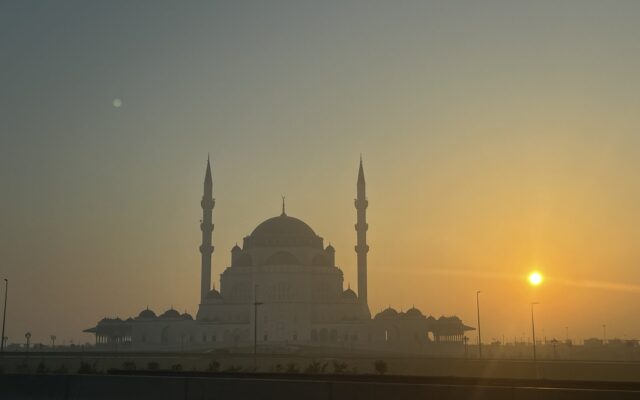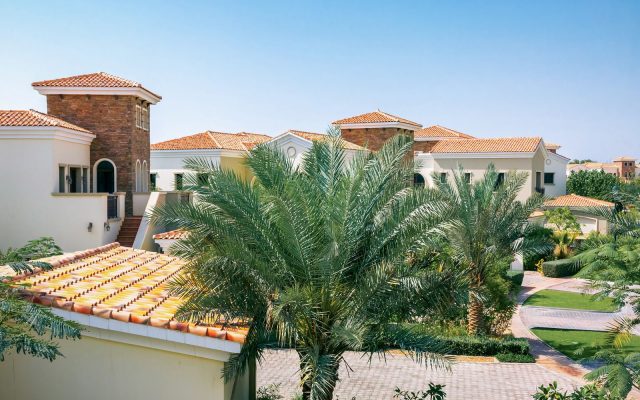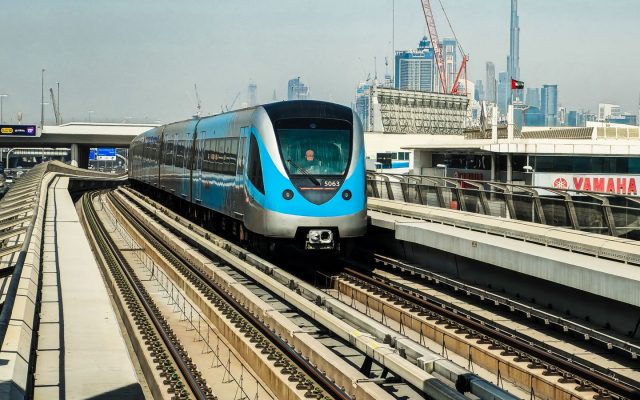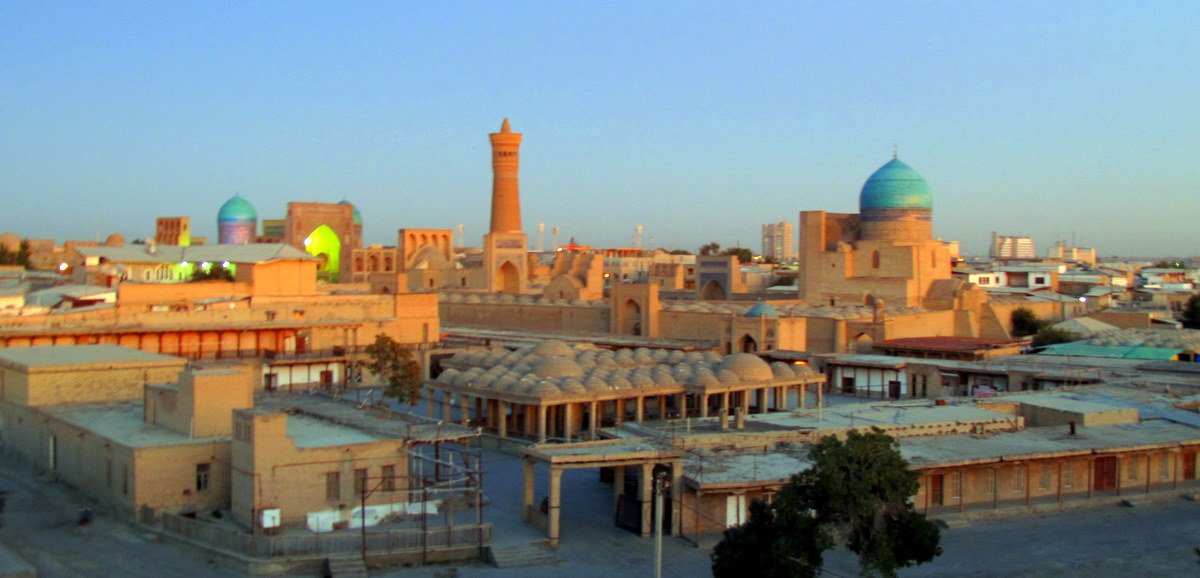
It begins in the oldest lanes of Deira, where the minarets stand close enough to answer one another. Within moments it is rolling across the Creek to Bur Dubai, rising over the villa streets of Jumeirah, sounding above the souks, the highways and the labour districts, until finally it reaches the glass towers of the Marina — the same call to prayer, the adhan, moving across one city like a wave of sound. Five times a day, every day, this is the thread that stitches Dubai together.
A Wave Across the Map
Because prayer times follow the sun, the adhan is also Dubai’s oldest clock. The Fajr call comes in the blue dark before dawn, when Deira’s alleys are empty and the Marina’s towers show a scatter of lit windows. Dhuhr sounds over the midday bustle. Asr marks the long afternoon. Maghrib arrives exactly with the sunset — most beautifully, residents say, over the Creek, where the call and the evening light reach the water together. Isha closes the day, echoing through neighbourhood streets as families settle.
Each time, the sound moves through districts that could hardly look more different. The adhan does not notice the difference. It gives the pearl diver’s grandson in Hor Al Anz and the banker on the fortieth floor the same message at the same minute, and in that simple fact lies much of its power to unite the city.
Old Lanes, New Towers
In old Dubai, the call to prayer feels near enough to touch. Minarets rise between low rooftops, and the muezzin’s voice carries down lanes where generations have arranged their days around it — shopkeepers pausing, porters resting, grandmothers timing the cooking. Around the Creek, several mosques can often be heard in gentle succession, their calls overlapping across the water as the abras cross beneath.
In new Dubai the setting changes but the effect deepens. To hear the adhan drift across the Marina promenade, between towers of glass and balconies of a hundred nationalities, is to feel the city’s two characters — the futuristic and the faithful — occupying the same moment without any strain at all. Residents who have lived in both halves of the city say the call is the thing that makes them feel continuous: wherever you move in Dubai, the adhan finds you, and you are home.
- Fajr: the dawn call, soft over sleeping streets, loved by early risers and night workers ending their shifts.
- Maghrib: the sunset call — in Ramadan, the sound a million fasts end by.
- Friday midday: the call that pauses a city’s commerce and fills its mosques.
- Isha: the evening call, gathering neighbourhoods for the day’s last prayer together.
📸 Follow @dxbtalk1 on Instagram for daily Dubai in photos →
What It Means to Those Who Hear It
Ask residents what the adhan means and the answers are rarely technical. It is described as a pause button pressed on the whole city at once. A reminder, five times daily, that there is something more important than the meeting, the traffic or the inbox. For workers far from home it is the sound of belonging — proof that in this foreign city, their faith is not a private hobby but part of the public soundscape, honoured and unhidden. For the homesick, expatriates say, it can undo them a little: the same words their childhood streets sounded with, arriving now over a Dubai rooftop.
Visitors, too, often name the adhan among their strongest memories of the city — especially a first dawn call heard from a hotel window, or Maghrib over the Creek. It is, many say, the moment Dubai stops being a skyline and becomes a place with a soul.
One City, Listening Together
Prayer times change daily with the sun, and the official UAE calendar or a trusted app is always the authority for exact timings. But the deeper schedule never changes. Five times a day the same call gathers a city of every nationality into the same minute of listening. Bankers and boatmen, grandmothers and students, Deira and the Marina — all hear it together.
Cities are usually united by their roads or their skylines. Dubai has those too. But its truest connective tissue may be a sound: one adhan, rolling from the alleys to the towers, reminding two hundred nationalities, five times a day, that they live — and pause, and pray — in one city, together.