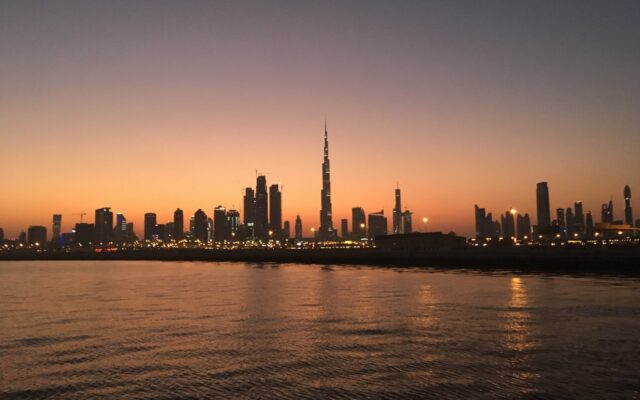
Moving from Saudi Arabia to Dubai is one of the shorter relocations in the Gulf, but it still involves a real change of country, employer, home and paperwork. The good news is that the two cities share a language, climate and way of life, so daily life settles quickly. The work is in the setup: securing the right UAE residence route, finding a home, registering for an Emirates ID and moving your money and belongings in the right order.
Getting Your Residence Status Sorted First
Everything in Dubai runs off your UAE residence status and Emirates ID, so arrange that before you sign a lease or open accounts. Most people arriving from Saudi Arabia come on an employment visa sponsored by a Dubai employer, who handles the entry permit, medical test and Emirates ID application. If you are starting a business, a trade licence through a mainland authority or free zone can sponsor you and your family. Some Gulf nationals move under arrangements that differ from standard expatriate routes, so always confirm your exact position on the official UAE government portal and with your sponsor before travelling. Golden Visa and other long-term routes exist for investors, professionals and property buyers who meet the published criteria.
Keep these basics ready before you move:
- A passport valid for at least six months
- Passport photos meeting UAE specifications
- Attested education and marriage certificates if family is joining you
- Your offer letter or trade licence documents
- Saudi exit and end-of-service paperwork from your previous employer
Choosing Where to Live in Dubai
Dubai is spread out, so choose your area around your commute rather than a postcard view. Families relocating from Riyadh or Jeddah often look at Arabian Ranches, Dubai Hills and Jumeirah for villas with a familiar feel, while professionals working in Media City, DIFC or Business Bay often prefer apartments in JLT, Dubai Marina or Downtown. Rents are usually paid in one to four cheques across the year; as a guide, a two-bedroom apartment in a mid-range area might typically cost around AED 70,000 to AED 120,000 a year, with villas higher. Every tenancy must be registered with Ejari, and you will need your Emirates ID and residence visa to complete it, which is why the visa step comes first.
📸 Follow @dxbtalk1 on Instagram for daily Dubai in photos →
Moving Your Belongings Across the Border
The land route between Saudi Arabia and the UAE makes this move more flexible than most. Many families drive personal items over or use a Gulf-based moving company for a full household shipment. Get written quotes from two or three licensed movers, confirm what customs paperwork they handle at the border, and insure valuable items separately. Cars are a common question: importing a vehicle involves UAE registration, testing and possible duty, so compare the total cost against selling in Saudi Arabia and buying in Dubai, where the used-car market is deep. Keep jewellery, documents and a first-week bag with you personally rather than in the shipment.
Money, Banking and Everyday Setup
- Open a UAE bank account once your Emirates ID is issued; many banks offer accounts to new residents with a salary letter.
- Register for DEWA (electricity and water) in your name when your Ejari is active.
- Get a UAE driving licence — holders of some licences can convert, others need lessons and a test, so check the RTA rules for your case.
- Take out health insurance; Dubai employers must provide cover, but check family coverage carefully.
- Register children for school early, as popular schools hold waiting lists.
Banking between the two countries is straightforward, and transfers in Saudi riyals and dirhams are routine at UAE exchange houses. As a guide, setting up a modest household — deposit, first rent cheque, DEWA deposit and basic furnishing — often needs around AED 30,000 to AED 60,000 available in the first month, so plan your liquidity before the move rather than after.
Settling Into Daily Life
Culturally, the adjustment is gentle: Arabic is widely spoken, halal food is everywhere, mosques are easy to find and the working week rhythm will feel familiar. The differences are in the detail — Dubai is more international, driving standards and toll roads (Salik) take getting used to, and the summer humidity on the coast is heavier than in Riyadh. Register with a clinic near home, learn your local RTA routes, and give yourself a month before judging the move.
FAQ
Can I drive from Saudi Arabia to Dubai for the move?
Yes, the highway route is well travelled, but check current border, insurance and vehicle requirements before you set off, and confirm your entry status is in order.
Do I need to attest my certificates in Saudi Arabia first?
Usually yes for employment and family sponsorship — documents are typically attested in the issuing country before UAE use, so start early as it can take weeks.
How long does the whole relocation take?
With a job in place, most people are housed and documented within four to eight weeks; school places and villa hunting can extend that.
For more step-by-step help with visas, renting and everyday life in the city, explore DXB Talk and browse the full Dubai category archive.