
Moving from Micronesia to Dubai is a long journey across very different worlds — from small Pacific island communities to one of the most fast-paced, multicultural cities on earth. The move is entirely doable, but it rewards careful planning: the distance is great, there are no shortcuts on flights, and you will need the right visa in place before you can work or sign a lease. This guide walks through the practical steps, from paperwork at home to your first weeks on the ground.
Start with your visa and job situation
Dubai is not a city where you can simply arrive and start working. Employment almost always begins with a job offer, because your employer normally sponsors your residence visa and work permit. If you are moving for work, secure the offer in writing first, then let the employer’s HR team guide the entry permit and medical testing process. If you are exploring first, check the current entry rules for Micronesian passport holders on the official UAE immigration portals — the General Directorate of Residency and Foreigners Affairs (GDRFA) and the Federal Authority for Identity, Citizenship, Customs and Port Security (ICP) — because entry arrangements change and small-nation passports are covered by specific rules. Never rely on a forum post or an agent’s promise; verify everything on the official sites before booking travel.
If your plan is study, business setup or joining a spouse, each route has its own sponsor and document list. Write down which route applies to you early, because it affects what you pack, what you attest and how much money you need in reserve.
Documents to prepare before you leave
Gather and organise your paperwork while you are still at home, where replacements are easier to request. As a guide, most movers need:
- A passport valid for at least six months beyond your arrival date
- Educational certificates, especially if your job offer requires a degree
- Birth and marriage certificates, if family members are joining you
- Police clearance or good-conduct evidence, if your employer requests it
- Medical records, vaccination history and any prescriptions you rely on
- Several passport-style photographs on a plain background
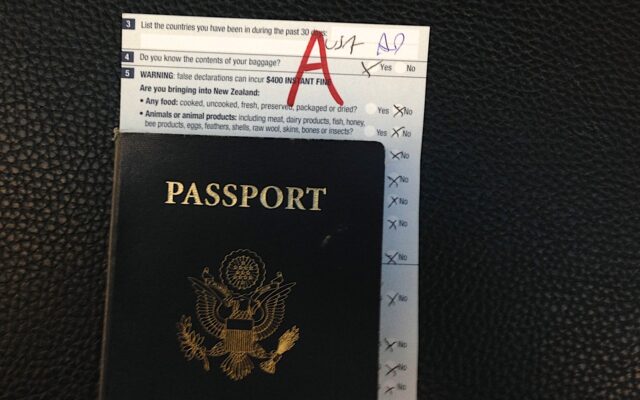
Some documents may need attestation — a chain of stamps confirming they are genuine — before UAE authorities accept them. Because Micronesia has limited diplomatic representation, ask your employer exactly which documents they need attested and confirm the correct route through official channels well in advance. Keep digital scans of everything in cloud storage as well as paper copies in your hand luggage.
📸 Follow @dxbtalk1 on Instagram for daily Dubai in photos →
The journey and what to bring
There are no direct flights between Micronesia and Dubai, so expect a multi-stop journey, typically routing through larger Pacific or Asian hubs. Travel days can stretch past 24 hours, so build in rest, keep essentials in your cabin bag, and arrive with a few days to recover before starting work. Shipping household goods from the islands is expensive and slow; most newcomers bring luggage only and buy furniture locally. Dubai’s second-hand market is large and active, and furnished apartments are common, so you do not need to ship a household to feel settled.
Pack light summer clothing, but remember that air conditioning makes indoor spaces cold — a couple of warm layers earn their keep. Electrical plugs in the UAE are the three-pin British style, so bring an adaptor or buy one on arrival.
Money, housing and your first month
Arrive with enough savings to cover your first month comfortably: hotel or short-stay costs, transport, food and deposits. As a guide, a modest studio in an outer district might rent for around AED 2,000–3,500 per month, while central areas cost considerably more — treat any figure as an estimate and check live listings before you commit. Rent is usually paid in a small number of cheques across the year, and tenancy contracts are registered through the Ejari system. You will need your residence visa and Emirates ID before most landlords and banks will deal with you, so many newcomers spend their first weeks in a hotel apartment while paperwork completes.
Open a bank account once your Emirates ID is issued; you will need it for salary payments. Keep some funds accessible from home until your local account is active, and use regulated exchange houses or banking apps when moving money internationally.
Settling in: health, transport and daily life
Health insurance is mandatory in Dubai and your employer must provide at least a basic plan. Register with a clinic near home once you arrive, and keep your insurance details on your phone. For transport, the Metro, buses and taxis are run under the Roads and Transport Authority (RTA); a Nol card covers public transport. If you plan to drive, check whether your licence can be converted or whether you will need lessons and a local test — rules depend on the issuing country, so verify on the RTA website.
Finally, give yourself time. The climate, scale and pace of Dubai are a big adjustment from island life. Most people find their rhythm within a few months, helped by the city’s huge international community and the fact that almost everyone here arrived from somewhere else.
FAQ
Can I look for work after arriving in Dubai?
Only if your entry status allows it. Check the current rules for your passport on the official ICP and GDRFA portals before travelling, and never work on a visit status.
How much money should I bring for the first month?
As a guide, budget enough for temporary accommodation, deposits and daily costs — many newcomers keep around AED 10,000–15,000 accessible, depending on their housing plans.
Should I ship my furniture from Micronesia?
Usually not. Shipping is slow and costly, furnished flats are common, and Dubai has a large second-hand market for anything you need.
For more guides on visas, housing, work and everyday life in the Emirates, visit DXB Talk and browse the Dubai category archive.