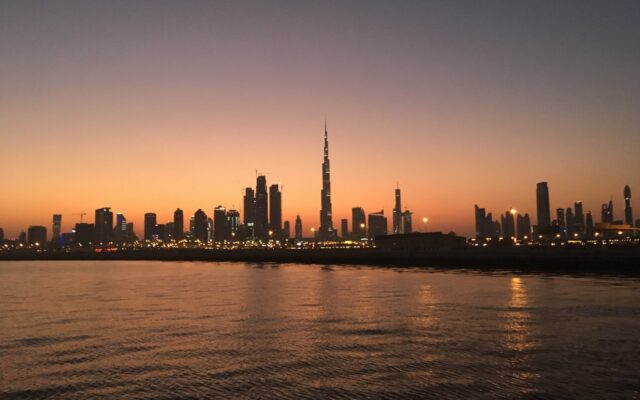

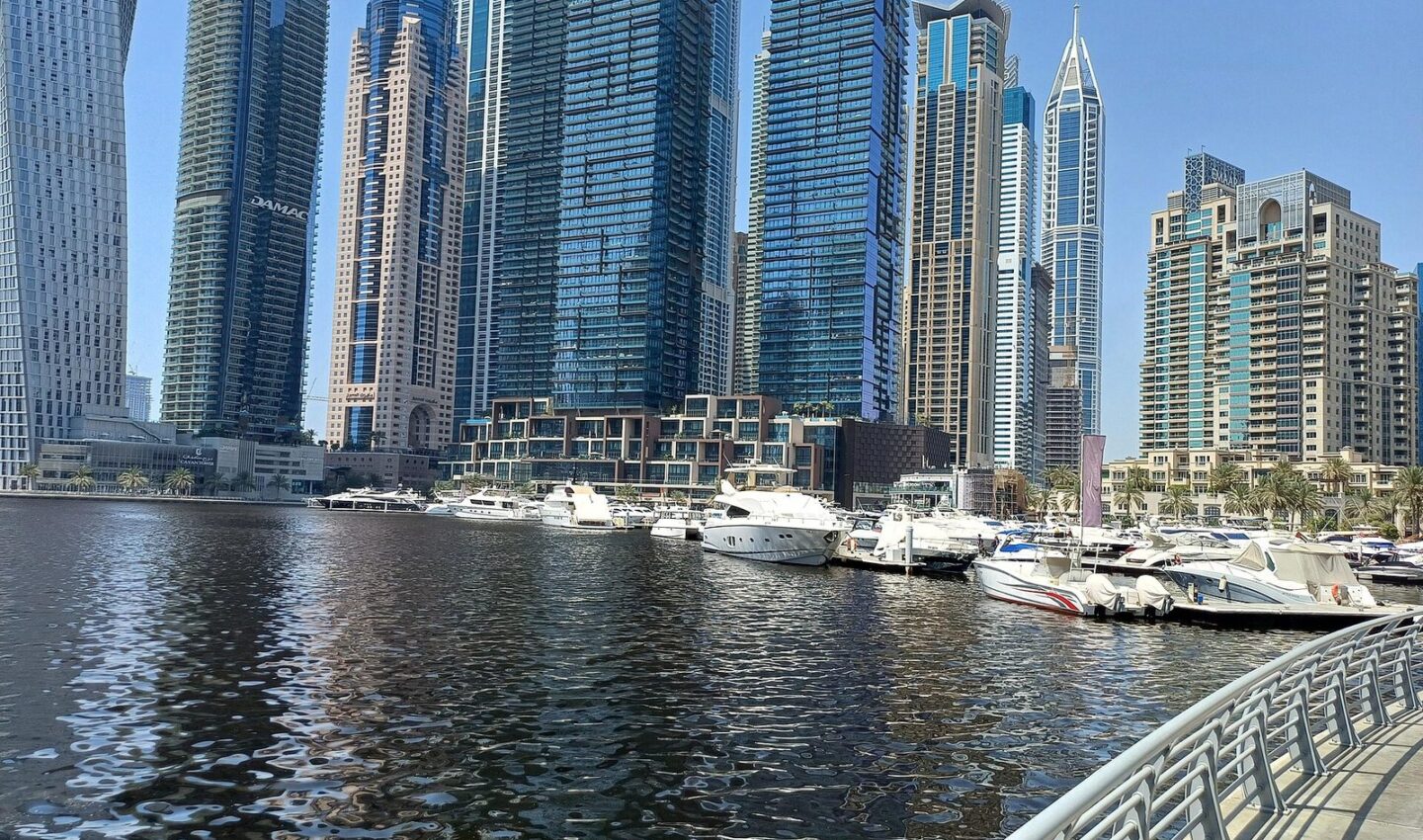
Moving from the Maldives to Dubai is a move from island life to city life at full scale, and most Maldivians make it for work in hospitality, tourism, aviation, healthcare, trade or professional services, or for family and education reasons. The good news is that Dubai’s tourism industry deeply values Maldivian experience, and the two places are linked by regular travel. The work of relocating is in the paperwork, the housing decision and adjusting to a fast, vertical city after life lived close to the sea and at island pace.
Before You Leave the Maldives
- Secure your status first. Most people arrive on an employer-sponsored residence visa, a family visa or another formal route arranged before travel. Never relocate on a visit status expecting to sort things out later; confirm your entry permit and visa route through official UAE channels and your sponsor.
- Prepare your documents. Bring your passport with good validity, passport photos, education and professional certificates, marriage and birth certificates for family members, and driving records if you have them. Documents may need attestation for UAE use, so start that process early.
- Sort island-side loose ends. Settle leases, utility accounts, school withdrawals and banking arrangements in the Maldives, and keep copies of everything digitally as well as on paper.
- Plan your first month of cash. Deposits, initial hotel or short-stay costs, transport and setup spending add up. As a guide, arrive with accessible funds for at least the first month beyond what your employer covers.
Arriving: Visa, Emirates ID and the Basics
Once you enter on your entry permit, your sponsor typically arranges the medical fitness test, Emirates ID application and residence visa process, now largely digital. Your Emirates ID becomes your key document for banking, tenancy, healthcare and government services, so keep it safe and carry it daily. Open a UAE bank account once your ID is issued, register for utilities when you sign a tenancy, and get a local SIM immediately so employers, landlords and clinics can reach you.
If family members are joining you, check the current salary and accommodation requirements for sponsoring dependants on official UAE government portals, as thresholds and categories are updated from time to time. Bring attested marriage and birth certificates, because schools, insurers and visa officers will ask for them.
📸 Follow @dxbtalk1 on Instagram for daily Dubai in photos →
Where to Live and What It Costs
Maldivians used to small communities often prefer lively, well-connected areas with easy Metro or bus access for a first home. Rents vary widely by area and building quality, and are typically paid in one to four cheques a year as a guide, plus a refundable deposit and agency fees. Always sign through a registered agent, register your tenancy with Ejari in Dubai, and confirm who pays for utilities and air-conditioning before you commit. If your employer provides accommodation, as is common in hospitality roles, confirm the location, sharing arrangements and transport to work in writing before you travel.
- Short-stay first if you can, then choose a neighbourhood after seeing commutes in person.
- Check chiller and utility charges, which can surprise newcomers in summer.
- Keep your passport, entry permit and offer letter accessible during the first weeks, not in shipped luggage.
Work, Money and Daily Life
Dubai’s working week and labour rules follow UAE law, and your contract, salary payment through the official wage system, end-of-service benefits and health insurance arrangements should all be in writing. Employers must provide health insurance in Dubai, but coverage levels differ, so read your policy. Send money home through licensed exchange houses or bank apps, comparing rates to the Maldivian rufiyaa before each transfer.
The lifestyle adjustment is real: malls replace island jetties as social centres, the sea is a weekend trip rather than your front yard, and summer heat limits outdoor time. On the other side, you gain specialist healthcare, global shopping, direct connections home and career depth that small island economies cannot always offer. Give yourself a full season to settle before judging the move.
FAQ
Q: Can I move to Dubai and look for work after arriving?
A: Job-seeking routes exist but rules are specific and change. Check the official UAE government portal for current job-seeker visa options and never work on a tourist or visit status.
Q: Does my employer arrange my visa?
A: For employment residence, yes, the sponsoring employer normally handles the entry permit, medical test, Emirates ID and residence process. Confirm each step and cost in your offer letter.
Q: Should I ship furniture from the Maldives?
A: Most newcomers do not. Dubai rentals are often furnished or easily furnished second-hand, and shipping costs usually outweigh the value. Bring documents, personal essentials and items with sentimental value.
Start your research at DXB Talk and browse the Dubai archive for relocation, visa and housing guides.