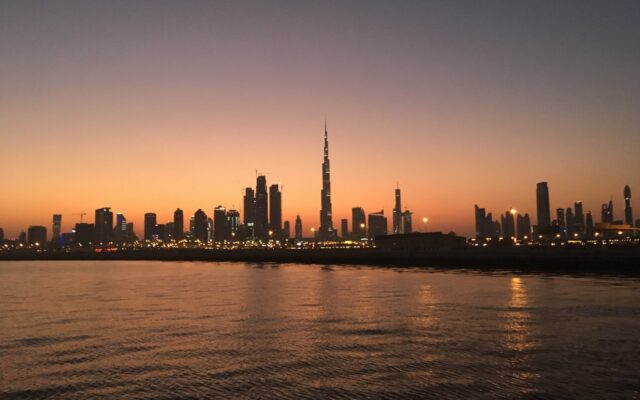
Moving from Indonesia to Dubai is a big change in climate, cost and daily rhythm, but thousands of Indonesians have made the move for work in hospitality, aviation, domestic work, trade and professional services. This guide walks through the order that works best: secure the right visa route first, then plan money, housing and shipping around confirmed dates rather than hopes.
Start with your visa and job route
Most Indonesians move to Dubai on an employment visa arranged by a UAE employer, which is the safest and most common route. Your employer normally handles the entry permit, medical test, Emirates ID and residence visa, and you should never pay an unlicensed agent large fees for a promised job. If you are moving for business, study or to join family, the sponsor and documents differ, so check the official UAE government portal and the Indonesian consular services for the current requirements for your category. Keep your passport valid for at least six months and keep digital copies of your education and personal certificates, as attestation may be requested.
- Confirmed job offer or sponsor before you resign or book one-way travel
- Passport with six-plus months validity and recent photographs
- Certificates ready in case attestation is requested by your employer
- Emergency savings for your first month, even if accommodation is provided
Money: what Dubai really costs
Dubai is significantly more expensive than most Indonesian cities. If your employer provides housing, transport and medical insurance, a modest salary goes much further, so read the full package, not just the headline pay. Without provided housing, a small apartment in areas such as International City or Discovery Gardens might typically start around AED 2,500 to AED 3,500 a month as a guide, while central districts cost far more. Groceries with Indonesian ingredients are available but imported items cost more than at home; budget around AED 800 to AED 1,200 a month for one person cooking mostly at home, as an estimate. Always keep a return-flight reserve and avoid debt in your first months.
📸 Follow @dxbtalk1 on Instagram for daily Dubai in photos →
Shipping, packing and what to leave behind
Most newcomers arrive with suitcases rather than containers, because furnished rooms and affordable home stores make shipping furniture poor value. Pack light summer clothing, a few layers for cold air conditioning, adaptors, prescription medicines with their prescriptions, and important documents in hand luggage. Dubai uses Type G plugs, the same three-pin style as Malaysia and Singapore. Do not bring pork products, restricted medicines without checking the UAE rules, or large amounts of cash without declaring it correctly. Check the official UAE customs guidance before packing anything you are unsure about.
Your first weeks: the practical sequence
- Complete your medical fitness test and biometrics for your Emirates ID through your employer or sponsor.
- Open a UAE bank account once your Emirates ID is issued; your employer will usually guide you.
- Get a local SIM card and a Nol card for the Metro and buses.
- Register your tenancy and Ejari if you rent in your own name, and set up DEWA utilities.
- Locate your nearest Indonesian community groups, mosque or church, and consular information channels.
Settling in and staying connected to home
The heat from May to September surprises almost everyone from Indonesia, even though both countries are warm: Dubai’s dry, extreme summer is different from tropical humidity, so plan outdoor activity for mornings and evenings. Indonesian food is available in speciality shops and restaurants, and community gatherings, including around religious festivals, help new arrivals feel at home. Use official Indonesian consular channels in the UAE for passport and citizen services, verifying locations and procedures on their official website before travelling to an appointment.
Work culture and expectations to expect
Dubai workplaces are multicultural and generally more formal than many Indonesian offices. Punctuality matters, contracts and job descriptions are taken seriously, and communication is often in English, with Arabic useful but rarely required outside government-facing roles. The working week runs Monday to Friday for most private companies, though hospitality and retail involve weekends and shifts. Your probation period, notice period and leave entitlement are all written in your contract and in UAE labour law, so read them before you sign and keep a signed copy. Ramadan changes working hours and daily rhythms for everyone; showing respect around fasting colleagues and public eating rules is both courteous and expected.
FAQ
Can I look for work in Dubai on a visit visa? Rules change and working on the wrong status is illegal. The safe route is a confirmed job and employment entry permit arranged by a licensed employer; check official UAE portals for current guidance.
How much savings should I bring? As a guide, enough to cover one to two months of food, transport and deposits if housing is not provided; more is safer while your first salary is processed.
Is Dubai halal-friendly for Indonesian Muslims? Yes. Halal food is the norm, mosques are widespread, and alcohol and pork are restricted to licensed venues and separate supermarket sections.
Start planning with the guides at DXB Talk and browse our Dubai archive for visas, housing and newcomer essentials.