
Moving from Cameroon to Dubai is a big step, but thousands of Cameroonians have done it successfully for work, business and study. The keys are securing the right visa before you travel, arriving with enough savings to cover your first weeks, and understanding how housing, transport and daily life work here. This guide takes you through the whole move, from preparations in Cameroon to settling in during your first month.
Before You Leave Cameroon
Start with your paperwork. Your passport should be valid for at least six months beyond your travel date. If an employer is sponsoring you, they will normally arrange your entry permit and work visa; never pay an unofficial agent large sums for a promised job without verifying the company exists. Check any company through its official website and, where possible, speak to people who already work there.
Bring certified copies of your key documents: birth certificate, educational qualifications and, if relevant, marriage certificate. Some will need attestation for use in the UAE, a process covered in our separate guide. Pack light clothing for the heat, but bring one warm layer: Dubai’s air conditioning is fierce. Also bring an unlocked phone, any regular medication with its prescription, and enough funds to support yourself while your first salary is processed. As a guide, having the equivalent of several thousand dirhams available for deposits, transport and food in the first month gives you breathing room.
Visas and Arrival
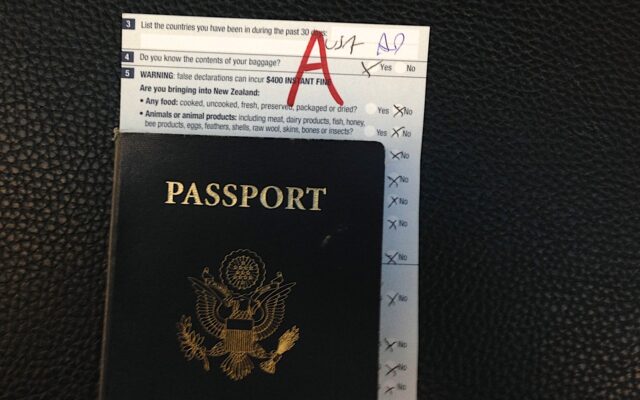
Cameroonian citizens need a visa arranged before travelling to the UAE; you cannot rely on getting one on arrival. Most people arrive on an employer-sponsored entry permit or on a pre-arranged visit visa through an airline, hotel or licensed travel agency while they job-hunt. Rules change, so verify the current requirements through official UAE government portals or the airline you are flying with before booking anything.
On arrival, sponsored employees complete medical screening and biometrics for their Emirates ID, which becomes your essential identity document for banking, housing and healthcare. Keep your passport and entry permit safe during this period and follow your employer’s PRO instructions closely.
📸 Follow @dxbtalk1 on Instagram for daily Dubai in photos →
Finding a Home
Where you live will shape your daily life and budget. Popular, more affordable areas with good transport include parts of Deira, Al Nahda, Al Qusais, Muhaisnah and International City, while mid-range options include Al Barsha and Discovery Gardens. Many newcomers start in a bed space or shared room, advertised through community groups and property portals, then move to a studio or shared flat once settled. As a guide, a bed space might cost around AED 500–1,000 a month and a studio around AED 2,000–3,500 a month depending on area and season.
- Always view a room in person before paying.
- Ask whether utilities and internet are included.
- Get a receipt for any deposit, and avoid cash-only arrangements with no paperwork.
- Check the commute to your workplace by metro or bus before committing.
Work, Money and Daily Life
Open a UAE bank account as soon as your Emirates ID is ready; your employer will usually guide you. A local SIM card and a Nol card for the metro and buses make the first weeks much easier. Dubai’s working week runs Monday to Friday for most offices, and Friday prayers shape the rhythm of the day for many. Respect local customs: dress modestly in public and government settings, and be mindful during Ramadan, when working hours shorten and eating in public during fasting hours should be done discreetly.
Cameroon is bilingual, and your English or French can both be assets here; English is the workplace lingua franca, and French speakers are valued in some hospitality and trading roles. Build your network through the Cameroonian community, churches and professional groups, and keep copies of all contracts and payslips.
Your First Month Checklist
- Complete medical screening and Emirates ID biometrics.
- Activate a local SIM and save important numbers.
- Open a bank account once your ID arrives.
- Secure stable housing within your budget.
- Register with community and church groups to build your support network.
- Learn your metro and bus routes, and keep an emergency fund untouched.
FAQ
Can I arrive in Dubai on a visit visa and look for work?
Many people do enter on pre-arranged visit visas, but rules on changing status change often. Check the official UAE portals and make sure any job offer converts your status legally before you start work.
How much money should I bring for the move?
As a guide, enough to cover one to two months of basic living costs, deposits and transport while your first salary arrives; more is safer if you are job-hunting.
What should I pack from Cameroon?
Light clothes, essential documents and copies, medication, an unlocked phone and a warm layer for air-conditioned buildings. Most everyday items are easy to buy here.
For more relocation help and resident guides, visit DXB Talk and browse the Dubai category archive.