Most people meet the Al Marmoom Desert Conservation Reserve without realising it — it is the vast spread of dune and scrub you pass on the way to the Al Qudra lakes and cycle track, the empty quarter of Dubai that begins where the streetlights end. This is one of the largest unfenced nature reserves in the region, set aside to protect the desert ecosystem and the animals that were always here: Arabian oryx, sand gazelles, red foxes and a great winter parliament of birds. And there is no better time to be in it than a winter morning, when the wildlife is active, the sand is cool underfoot and the light makes even a thorn bush look theatrical.
The Reserve in the Cool Hours
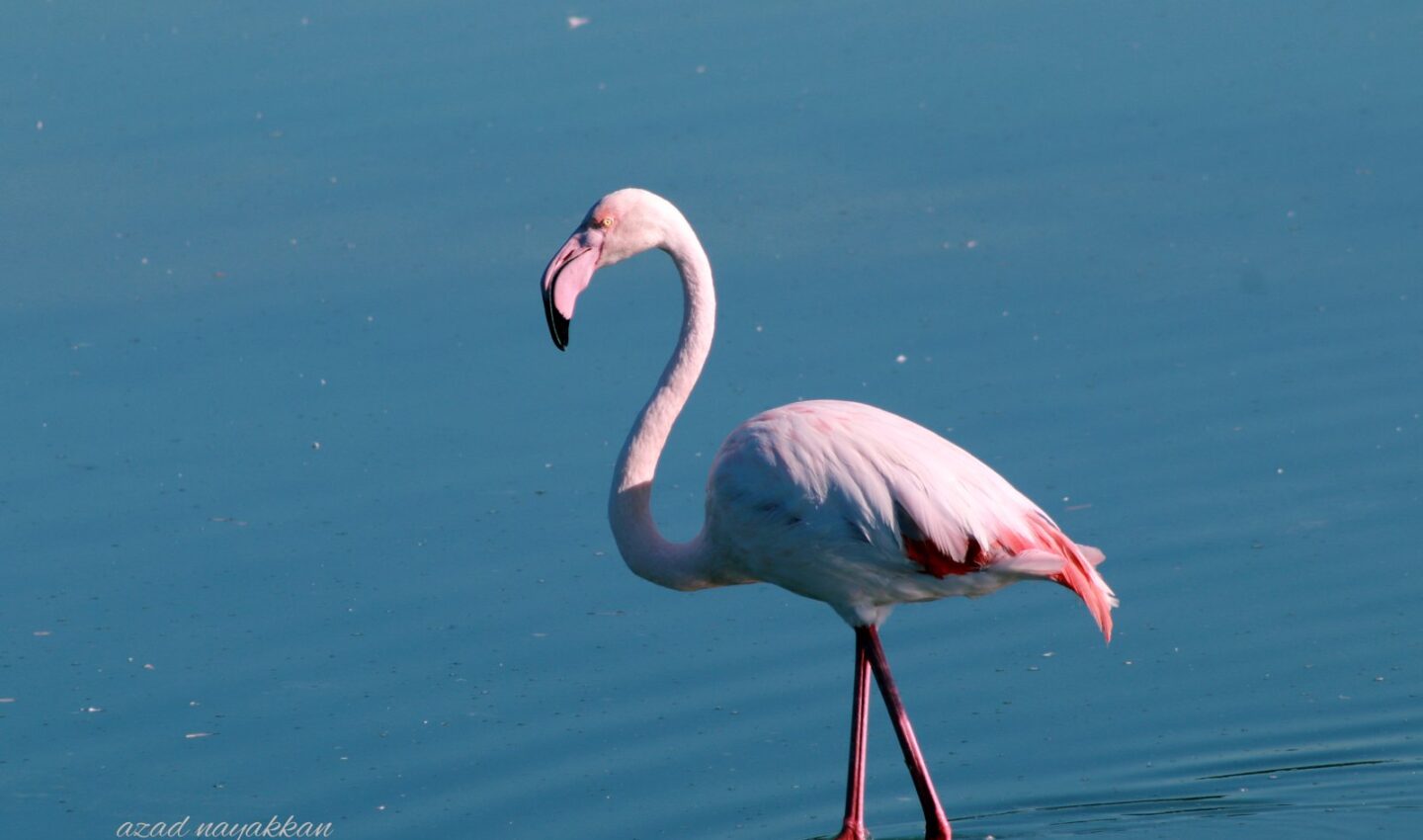
Desert animals are sensible about temperature. In summer they vanish into shade and stillness by eight o’clock; in winter they use the whole morning. Dawn and the two or three hours after it are when oryx herds drift between grazing grounds, gazelles pick their way across open flats, and foxes make their last rounds before denning up for the day. The migratory season adds another layer: the lakes and wetlands around Al Qudra fill with wintering birds, from flamingos and herons to ducks and waders that have flown in from far colder countries to enjoy exactly the morning you are enjoying.
The landscape itself changes character at dawn. Winter mist sometimes sits in the hollows between dunes, so that an oryx appears out of white air like something from a storybook, and the long shadows turn every ridge into a contour map. Photographers love it; so does anyone who has only ever seen this desert through a car window at noon.
How Most People Experience It
There is no gate, no ticket and no single entrance — the reserve is threaded by public roads, most famously the drive out to the Al Qudra lakes and the cycle track. The classic winter morning goes like this: drive out before dawn, stop at the lakes for sunrise as the birds commute overhead, walk a gentle loop on the firm ground, then drive slowly back through the reserve with the windows down, scanning the scrub for movement. The cycling track at Al Qudra, with its sunrise-facing stretches, is the other great way in — riders on the early loops share the desert with the wildlife in a way car passengers never quite do.
Bring binoculars if you have them. Much of the reserve’s pleasure is at middle distance: a line of oryx on a ridge, a gazelle’s white flash as it bounds off, a kestrel hanging over the scrub. A phone camera will capture the sunrise beautifully; the animals deserve the patience of a longer look.
📸 Follow @dxbtalk1 on Instagram for daily Dubai in photos →
The Etiquette That Keeps It Wild
Al Marmoom only works if visitors behave as guests in a functioning ecosystem. The rules are simple but they are not optional:
- Stay on the roads and established tracks. Off-road driving away from tracks crushes plants, burrows and nests, and is not permitted in the reserve. If you are not on tarmac or a recognised track, you should not be driving there.
- Never chase or crowd wildlife. If an animal changes its behaviour because of you, you are too close. Watch from the car or from a respectful distance on foot.
- Do not feed anything. Fed animals become road casualties and nuisances; the reserve’s creatures are wild and equipped to feed themselves.
- Keep noise and speed down. Slow driving is not just polite here — it is how you see things, and how the fox crossing the track survives your visit.
- Take all litter home, including the ‘harmless’ food scraps that teach animals to beg at car parks.
Practical Notes for a Winter Morning
Start early and dress for genuine cold — before sunrise, an inland desert morning in January can be in the low teens or below, and standing still at a lake viewpoint chills you fast. Facilities cluster around the Al Qudra lakes and cycle track area, where you will find parking, some seasonal food trucks and the famous last-exit services on the way out; in the reserve itself, assume there is nothing and carry water, a charged phone and a full-ish tank. Mobile signal is generally fine along the main roads, another reason to stick to them.
Finally, give the morning time. Al Marmoom does not perform on demand; it rewards the slow driver and the patient watcher. Go for the sunrise, stay for the quiet, and drive home through a desert that feels — for a few winter hours at least — entirely, properly wild.