

Before Dubai lets anyone loose on Sheikh Zayed Road, it checks one thing above all: that the driver is medically fit to be there. For most learners, “medical fitness” means the quick eye test at the start of the licence journey, and nothing more is ever asked. But if you live with a health condition — anything from strong glasses to diabetes or epilepsy — it helps to understand how the system assesses you, because in most cases the answer is not “no”. It is “let’s check properly, then decide how you can drive safely”.
The eye test: the check everyone takes
Every new applicant, and drivers again at renewal points, takes an eye test at an RTA-approved optical centre or through their driving institute. It is quick and painless: reading letters and numbers at distance, checking each eye separately and together, and a general screen of your vision. The result is sent electronically to the RTA, which is why you cannot open your file without it. If your vision is fine with glasses or contact lenses, you simply wear them for the test — your licence will carry a note that you must drive with corrective lenses, and driving without them is an offence. If the test shows your prescription has changed or your uncorrected vision falls short, sort the glasses first and retake it; plenty of learners do exactly that.
Conditions that may need further assessment
Some conditions affect driving in ways an eye test cannot judge, so the RTA may ask for a fuller medical assessment, usually through approved hospitals or a medical committee. The categories that commonly prompt a second look include:
- Epilepsy and seizure disorders, or a history of unexplained blackouts
- Diabetes, particularly where insulin is used or there have been severe low-blood-sugar episodes
- Heart conditions that have caused fainting, chest pain episodes or recent major treatment
- Significant vision problems beyond simple glasses — loss of vision in one eye, double vision, serious field-of-vision loss
- Hearing loss severe enough to affect awareness of the road
- Mobility and limb conditions that change how a car must be controlled
- Sleep disorders such as untreated sleep apnoea, and conditions or medications that cause drowsiness
Being referred is not a rejection. The assessment exists to understand stability and control: how long a condition has been managed, what your own doctor says, and whether any adaptation or condition on the licence makes driving safe.
📸 Follow @dxbtalk1 on Instagram for daily Dubai in photos →
Possible outcomes: more than yes or no
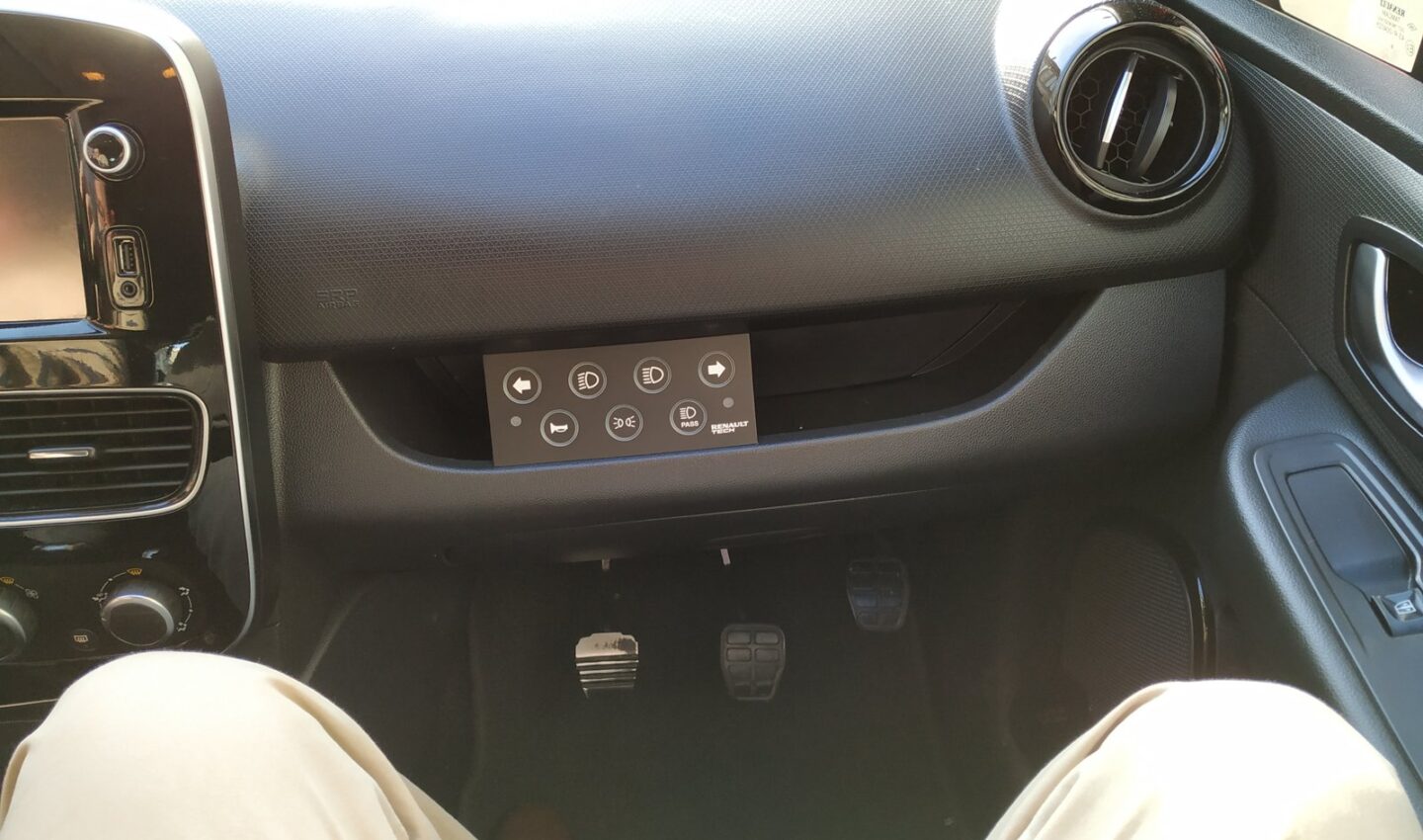
Medical review can end in several ways. Many people are cleared to drive normally, sometimes with a review date in the future. Some licences carry conditions — corrective lenses are the everyday example; others involve adapted vehicle controls for drivers with mobility impairments, arranged through specialist assessment and training, a route that people of determination use successfully in Dubai. In a smaller number of cases, where a condition is uncontrolled or recently unstable, the answer may be “not yet”: treatment, a stability period and reassessment can change the outcome later. Professional categories — heavy vehicles and buses — are held to stricter medical standards than the private car licence, which is why commercial drivers face fuller medicals.
Age, renewals and changing health
Fitness is not checked once and forgotten. Renewal eye tests catch changing vision as drivers age, and older drivers and those with known conditions may be asked for medical checks more often at renewal. There is also an expectation running the other way: if your health changes significantly after you are licensed — a new diagnosis, an episode of loss of consciousness, major surgery — you are expected to take medical advice about driving and inform the authorities where the rules require it. Driving against clear medical advice after such a change risks both your licence and your insurance.
Honesty is the shortcut
The learners who struggle are rarely the ones with conditions; they are the ones who hide them and get caught between a hospital record, an insurance form and an application that says otherwise. Declare what you live with, bring your doctor’s reports, and let the process place you. Dubai’s system licenses large numbers of drivers with managed diabetes, corrected vision and adapted cars. Start with the eye test, answer the medical questions straight, and in the great majority of cases there is a legal, safe route onto the road — which is exactly what the medical rules exist to create.




