

Bur Dubai is where many families land when they want an established neighbourhood, a metro line on the doorstep and a primary school within a short ride of home. The district on the western bank of Dubai Creek packs a dense choice of long-running schools into areas such as Oud Metha, Al Jafiliya, Karama and Mankhool, and its older apartment blocks keep rents lower than in the newer suburbs. This guide looks at what living close to those schools is really like, from the morning traffic to the afternoon routines that shape family life here.
Where the Schools Cluster
The best-known concentration sits around Oud Metha, where several large, long-established schools, including well-regarded Indian and British curriculum campuses, share a compact district near the Creek and the healthcare quarter. Karama and Al Jafiliya add more options, particularly CBSE schools that have served the community for decades, while Al Raffa and Mankhool are home to smaller nurseries and primary-only settings. Because so many schools sit close together, families often find their first and second choices within a ten-minute drive of each other, which simplifies both applications and the daily run. All private schools here are KHDA-regulated, and the inspection reports for these mature schools make useful reading, because many have long track records rather than glossy new campuses.
Homes and Rents Near the School Gates
Living near a primary school in Bur Dubai usually means an apartment rather than a villa. Mankhool and Karama offer spacious older two and three-bedroom flats in low and mid-rise buildings, often with larger rooms than newer developments at the same price. As a guide, annual rents for a two-bedroom apartment in these pockets typically fall somewhere around AED 55,000 to AED 85,000 depending on the building, condition and exact street, but rents move with the market, so treat figures as estimates and check current listings and the official rental index before signing. Chiller arrangements vary by building, some include it in the rent, others bill separately, and that detail can change your monthly costs noticeably in summer, so ask before you commit.
Families who want a quieter street often choose buildings a block or two back from the school itself. You keep the short commute but avoid the worst of the drop-off queue outside your own building entrance.
📸 Follow @dxbtalk1 on Instagram for daily Dubai in photos →
The School Run: Buses, Metro and Traffic
Bur Dubai’s great advantage is transport choice. The Red and Green metro lines cross at BurJuman and Union, and stations at Al Jafiliya, ADCB, BurJuman and Oud Metha put much of the district within walking distance of a train, a genuine option for older primary children travelling with a parent, and a lifeline for parents commuting after drop-off. School buses are heavily used here and their routes thread through Karama and Mankhool efficiently, but roads around the Oud Metha school cluster slow sharply between about 7am and 8am and again at pick-up. Practical habits that help:
- Choose a home on the same side of the busiest junctions as the school to cut the morning crawl
- Learn the school’s official drop-off bays rather than stopping on the main road, where fines apply
- If both parents work, compare bus timings with metro times; in Bur Dubai the train is often faster than the road at peak hour
- Build in extra time during the first two weeks of term, when new families are learning the routes
Afternoons, Tuition and Community Life
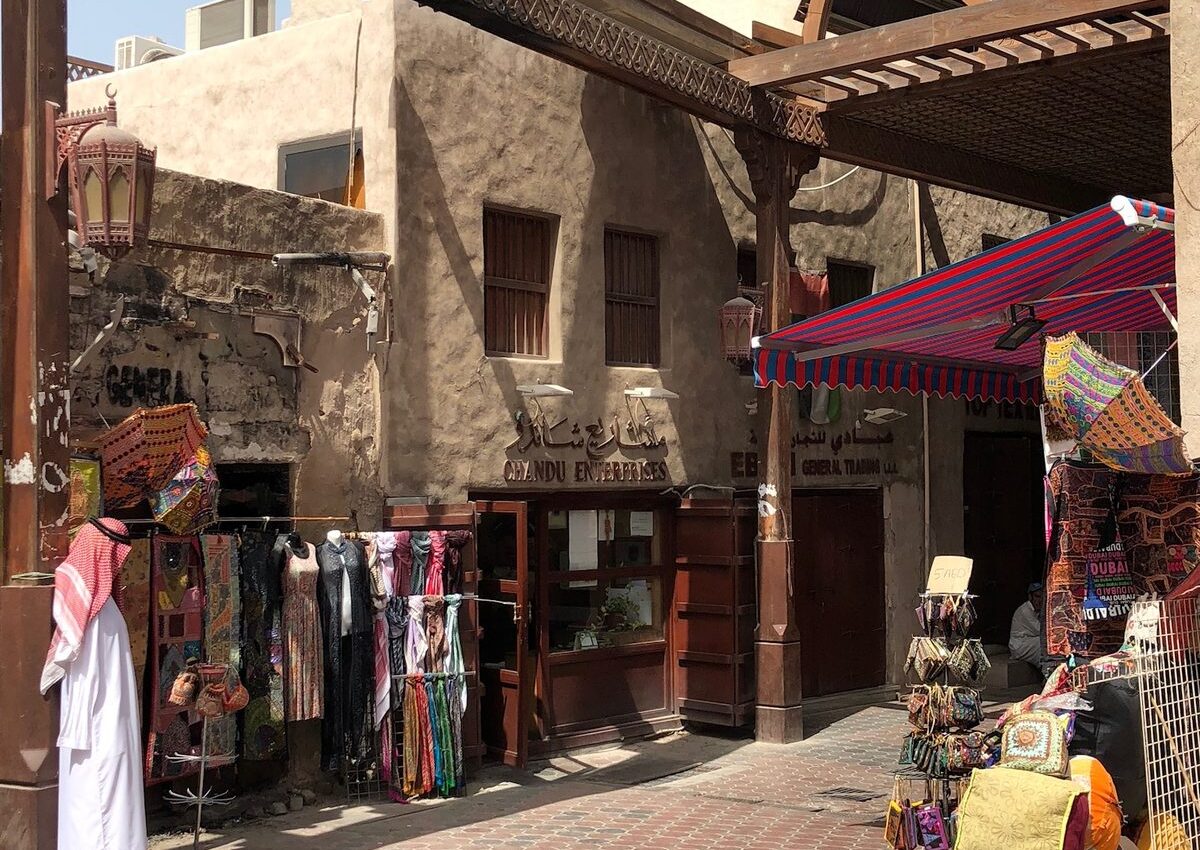
One of Bur Dubai’s quiet strengths is what happens after school. The district is dense with tuition centres, music and dance academies, swimming coaching and sports clubs, many within walking distance of the schools themselves, so children can move from class to activity without another long drive. Zabeel Park and the Creek-side corniche give families green space on the doorstep, and the older malls and community shopping streets of Karama handle everything from school shoes to birthday cakes. Weekend life tends to be local and unhurried: breakfast in a long-standing cafeteria, a dhow-side walk, and the small shops of the old town are all part of why families stay for years rather than treating Bur Dubai as a first stop.
FAQ
Which parts of Bur Dubai are best for primary school access?
Oud Metha has the densest cluster of large schools, while Karama, Mankhool and Al Jafiliya combine good school choice with metro stations and more affordable flats.
Do most children take the school bus in Bur Dubai?
Yes, buses are the norm, though many families also use the metro or walk short distances outside the hottest months. Check your school’s bus routes before choosing a building.
Is Bur Dubai good value for families compared with newer suburbs?
Generally yes for rent and daily costs, in exchange for older buildings. Always compare the total cost including chiller and parking, not just the headline rent.
For more neighbourhood guides, daily living tips and updates from across the city, visit DXB Talk and browse the full Dubai Areas section, where you will find family living and school guides for Bur Dubai alongside guides to dozens of other communities.





