

For young families, few things shape daily life in Mirdif more than the nursery run. This villa suburb in north-east Dubai has a genuinely good spread of nurseries and early-years centres tucked along its quiet residential streets, which means most families can find a place within a short drive — or even a walk — of home. The real questions are about curriculum style, outdoor space, timings that match your job, and how each nursery handles Mirdif’s one well-known quirk: the flight paths overhead.
Mirdif’s Character for Families With Toddlers
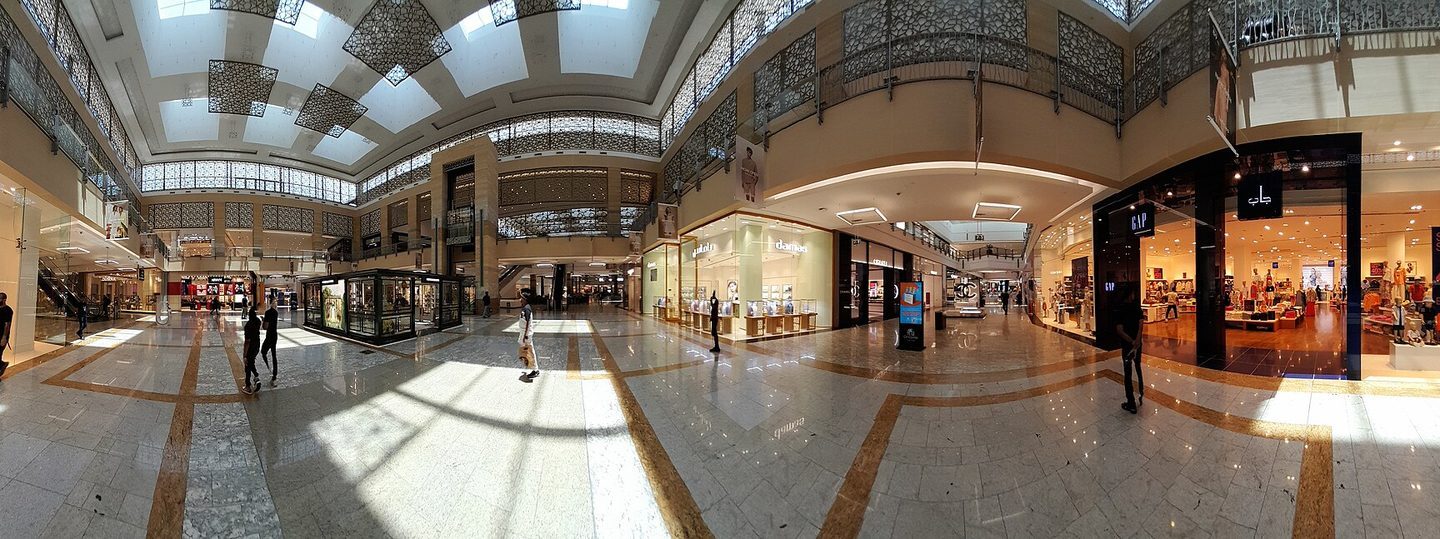
Mirdif is a low-rise, villa-only community: no towers, little through-traffic, and a slower pace than most of Dubai. Streets around Mirdif Park and the community centres are pram-friendly, and the area’s two main retail anchors, Mirdif City Centre and the Uptown Mirdif open-air strip, cover everyday shopping, pharmacies and family dining. Nurseries here tend to be villa conversions with proper gardens — shaded lawns, sand pits, tricycles tracks — rather than units inside commercial buildings, and many parents choose Mirdif for exactly that.
The honest downside is aircraft noise. Mirdif sits under approach routes for Dubai International Airport, and planes pass regularly through the day. Most children adapt quickly and nurseries plan nap times and sound insulation around it, but visit at different times of day and listen for yourself, especially if your child is a light sleeper.
The Nursery Options You Will Find
Within Mirdif and its immediate edges — Al Warqaa, Muhaisnah and Khawaneej are minutes away — you will typically find:
- British-curriculum early years settings following the EYFS framework, often acting as feeders towards Mirdif’s primary schools.
- Montessori and Reggio-inspired nurseries, popular with parents who want child-led, play-heavy days.
- Bilingual and Arabic-inclusive nurseries, plus settings with Islamic values for families who want faith woven into the day.
- Small home-style nurseries in converted villas, with mixed-age groups and a strong family feel.
- Larger purpose-built centres offering baby units from a few months old, extended hours and holiday camps.
All nurseries in Dubai are regulated for early years, and schools with nursery classes fall under KHDA oversight, so whichever style you choose, ask to see the nursery’s registration, staff qualifications and child-to-teacher ratios in writing.
📸 Follow @dxbtalk1 on Instagram for daily Dubai in photos →
What Fees Typically Look Like
As a guide, nursery fees in this part of Dubai usually sit in a broad band of roughly AED 20,000 to AED 45,000 per year, depending on days per week, hours attended and the nursery’s facilities, with registration, medical and uniform or resource charges added on top. Half-day and two- or three-day options reduce the bill for parents who work part-time or have help at home. Fees are reviewed regularly, so treat these figures as estimates only and request the current fee schedule — including sibling discounts and holiday-camp costs — directly from each nursery before you decide.
Questions Worth Asking on a Tour
- What are the exact timings, and how early can children be dropped off? Does the nursery offer early drop-off or late pick-up for working parents?
- How does the setting handle naps given the aircraft noise, and where do babies sleep?
- What is the outdoor routine in the hotter months, and how much shade and water play is available?
- How are parents updated — app photos, daily sheets, termly reports?
- What happens if my child is unwell, and what is the policy on medicines and allergies?
- Which schools do children usually move on to, and does the nursery help with admissions timelines?
Living Well Around the Nursery Day
Mirdif supports the nursery routine nicely. Mirdif Park gives you a proper green for after-nursery energy burning, Mushrif Park on the suburb’s edge offers weekend space, cycling and nature, and the community’s clinics, including well-known paediatric practices near the malls, mean sick-child logistics are easy. Most nursery runs are by car, but the villa streets are calm enough that many families within a few streets walk or scoot in the cooler months. Traffic tightens around school start and finish times near the Algeria Road corridor, so a nursery slightly off that axis can save you ten minutes twice a day — over a school year, that matters.
FAQ
From what age do Mirdif nurseries take children?
Many accept babies from around three to six months, while toddler classes usually start from walking age. Each setting sets its own policy, so confirm directly.
Does the flight noise bother young children?
Most families report their children stop noticing within weeks, and nurseries are built and insulated with it in mind. Still, attend an open morning and judge the indoor sound levels yourself.
When should I apply for a place?
Popular nurseries fill their September classes months ahead. As a guide, tour in winter for an autumn start and join waiting lists early — places also open up mid-year as families relocate.
Choose the nursery that suits your child’s temperament and your working day, and Mirdif’s village feel does the rest. You can read more neighbourhood family guides at DXB Talk, especially in the Dubai Areas section.





