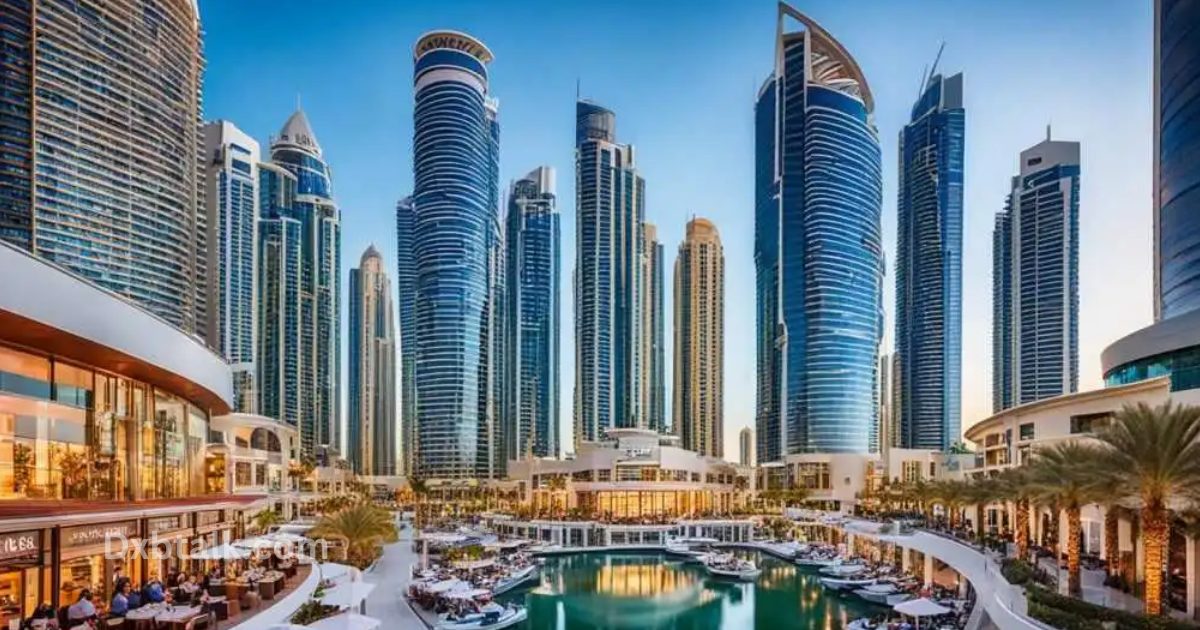
Ask a room of Dubai residents where a newcomer should live and one name surfaces with unusual consistency: Jumeirah Lakes Towers. JLT is not the richest district, the oldest or the most glamorous — it is something rarer in this city, a district that works. High-rise towers ring a set of man-made lakes directly across Sheikh Zayed Road from the Marina, priced a clear notch below its famous neighbour, and organised so that daily life happens within walking distance. Here is why it keeps winning the argument.
The Price-to-Everything Ratio
JLT’s foundational appeal is arithmetic. The stock runs from affordable studios to genuine penthouses, and across that range the district consistently undercuts the Marina and Downtown while delivering the same essential product — modern towers, high finishes, lake or skyline views, pools and gyms in the building. Residents who came for the rent routinely report the same surprise: the level of finish and amenity at the price. In a city where housing swallows budgets whole, a central, complete district at a relative discount does not stay a secret — and JLT hasn’t been one for years.
A Community That Runs Itself
The second appeal is self-sufficiency. The clusters at the lakes’ edge are lined with the full apparatus of daily life: supermarkets, cafés, restaurants, gyms, clinics, pharmacies, salons and services, nearly all reachable on foot from nearly every tower. Errands that consume car-hours elsewhere in Dubai become a single evening stroll here. That walkability changes the texture of residence — the district has regulars, routines, a morning crowd and an evening crowd, the beginnings of actual neighbourhood feeling inside a high-rise product.
📸 Follow @dxbtalk1 on Instagram for daily Dubai in photos →
Positioned on the Work Map
For professionals, JLT’s location is close to unbeatable. It sits beside Dubai Marina, Media City and Internet City, with two Red Line metro stations putting the rest of the Sheikh Zayed Road corridor — and the DIFC and Downtown beyond it — within an easy commute. Many residents live here precisely because the office is a walk, a tram hop or one metro stop away, while the atmosphere at home stays calmer and more residential than the business districts themselves. It is the commuter’s compromise resolved: work central, live lakeside.
Lakes, Parks and the Outdoor Life
The Social Dividend
The least measurable advantage may be the most decisive: JLT behaves like a place where people know each other. The park’s regulars, the dog community, the cluster cafés with their standing crowds, the community events and markets that periodically take over the promenades — together they produce the thing Dubai’s masterplanned luxury often struggles to manufacture, which is belonging. Young families find nurseries and playdates within the fence; solo professionals find a social infrastructure that does not require a car and a plan. Districts compete on finishes and facilities all the time. JLT’s residents, asked why they renewed, tend to answer with people.
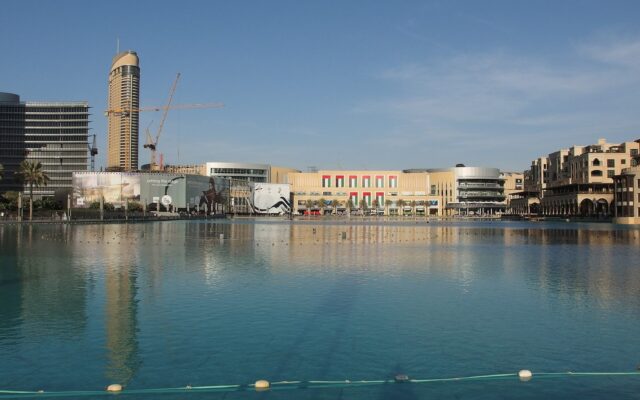
The lakes are not a view; they are the district’s living room. Walking and cycling paths circle the water, the central park gives children and dogs their territory, and the promenades carry a permanent population of runners, strollers and café-sitters. Fitness layers on top: gyms and yoga studios in the clusters, bootcamps and sports around the park, the whole outdoor apparatus peaking — as everywhere in Dubai — in the glorious cooler months, when JLT’s lakeside reads like the city’s advertisement for itself. Add the dining scene, which has become a destination in its own right and draws food lovers from across the city, plus the cinemas, nightlife and live-music spots scattered through the clusters, and the verdict explains itself. JLT is popular because it balances the three currencies of Dubai life — money, time and pleasure — better than almost any district at its price. People move here for a year and stay for five, which is the only popularity metric that counts.