For Ugandans in Dubai, feeling at home is built from small, practical things: finding the food you grew up with, people who speak your language, a place of worship that feels familiar, and friends who understand both Kampala and Dubai. The community here is not huge compared with some nationalities, but it is warm, networked and findable once you know where to look.
Meeting other Ugandans in Dubai
Most connections start informally — through workplaces, churches and mosques, shared accommodation, and social media groups for Ugandans in the UAE. Ask colleagues from East Africa where people gather, join community and professional groups online, and show up to public cultural and sports events advertised by community associations. Football is a reliable social glue: five-a-side games, supporters’ gatherings for big matches and weekend leagues are often where newcomers meet their first friends.
Take normal care with online groups: meet first in public places, never pay money to strangers promising jobs, visas or accommodation deals, and verify any association or event through more than one source. Genuine community help in Dubai is usually offered freely, in person, through people you can trace back to a workplace, church or mutual friend.
Food from home
You will not find a Ugandan supermarket on every corner, but the building blocks are available. African grocery shops in areas such as Deira and International City, plus larger hypermarkets, typically stock items familiar across East Africa — plantain, matoke-style bananas when in season, dried beans, groundnuts, cassava products and hot sauces come and go with stock, so ask staff what days deliveries arrive. South Asian and Filipino shops are also useful for rice varieties, spices and fresh greens that work well in Ugandan cooking.
- Plantain, bananas, sweet potatoes and cassava where available
- Dried beans, groundnuts and peanut paste for stews and sauces
- Smoked or dried fish from African and Asian grocers, subject to stock
- Chapati flour, rice and pilau spices from hypermarkets
- African restaurants in Deira and other districts serving East African dishes — check recent reviews before you go
Cooking at home is also the budget-friendly option. As a guide, a home-cooked meal built around rice, beans and vegetables can cost around AED 10–20 per person, while eating out at a casual restaurant is typically AED 30–60 or more, as an estimate.
📸 Follow @dxbtalk1 on Instagram for daily Dubai in photos →
Faith, culture and family life
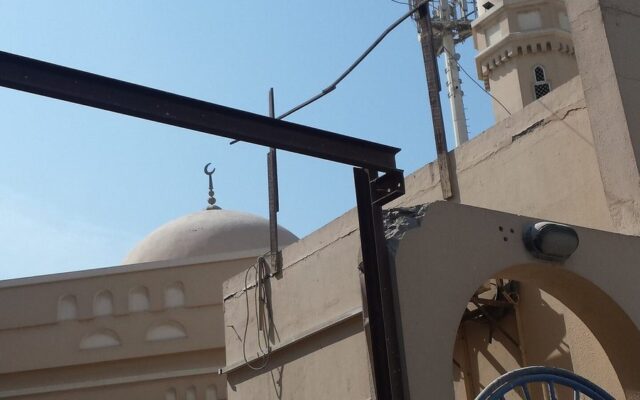
Dubai’s licensed churches hold services in many languages and traditions, and East African congregations and fellowships are among the easiest ways for Christian newcomers from Uganda to find a community quickly; ask at a church office or through colleagues for current service times rather than relying on old listings. Muslim residents can attend mosques across the city, and community iftars during Ramadan often bring East African Muslims together. For families, look at schools, play areas and parks in family districts such as Al Nahda, Muhaisnah and International City, where rents are typically lower than in central areas and shared facilities help children make friends.
Keep cultural life going in small ways: Luganda and other Ugandan languages spoken at home, music and news from home streamed online, Independence Day marked with friends in October, and food shared on days off. Children growing up here absorb Dubai fast, so many parents deliberately keep home language and stories part of daily life.
Work, money and staying connected
Ugandans in Dubai work across hospitality, retail, security, domestic work, logistics, aviation services and many other sectors. Protect yourself by keeping your contract, passport arrangements and salary payments clear and documented, using official channels for any workplace complaint, and saving steadily — many residents organise their budget around a monthly amount sent home and a small emergency fund kept in the UAE. Cheap video calls, family WhatsApp groups and mobile money have made distance easier, but agree regular call times around work shifts and the time difference so home does not feel forgotten in either direction.
If you are new, give the city a fair season. The first months — heat, shared rooms, a new job — are the hardest for almost everyone. Once work, friends, food and faith routines are in place, Dubai starts to feel less like a posting and more like a second home.
FAQ
Where do Ugandans usually live in Dubai?
There is no single Ugandan district; people live where rent and work fit, with areas such as Deira, Al Nahda and International City popular for affordability. Choose by commute and budget first.
Can I find Ugandan food in Dubai?
Core ingredients are available from African grocers and hypermarkets, though stock varies. Ask shops about delivery days for plantain and fresh items, and try East African restaurants for cooked dishes.
How do I find community groups safely?
Start through workplaces, churches, mosques and mutual friends, and join online groups cautiously. Meet in public, and never pay strangers for jobs or visas.
For more stories and practical guides on building a life here, visit DXB Talk and explore our Lifestyle section.