Moving from Tanzania to Dubai means swapping familiar rhythms — the pace of Dar es Salaam, the breezes of Zanzibar, the warmth of community life — for a fast, international city where almost everyone is from somewhere else. Tanzanians in Dubai work across hospitality, aviation, trade, logistics, domestic work, retail and professional services, and while the community is smaller than some others, it is welcoming once you know where to look. This guide covers the everyday side of settling in: finding your people, your food, your faith community and the small comforts that make Dubai feel like home.
Finding the Tanzanian and East African Community
Start online: Tanzanian and East African community groups on Facebook and WhatsApp circulate job leads, housing tips and news from home, and East African social gatherings are often announced through them. Dubai’s wider African community is active too, with cultural events, football groups and church and mosque networks that bring together people from across the continent. Areas with more affordable housing and strong African communities — parts of Deira, Bur Dubai, Al Qusais, Muhaisnah and International City among them — are good places to meet people in daily life, from barbershops and salons to small restaurants and money-transfer shops where conversations start easily. Be sensible in online groups: verify before paying for anything, and meet new contacts in public places first.
Food From Home
The flavours Tanzanians miss most — pilau, biryani the coastal way, ugali, mchicha, nyama choma, mishkaki, mandazi and proper pilipili — are closer than you might think. Dubai’s East African and Swahili-influenced restaurants cluster in Deira and Bur Dubai, and many African and Asian grocery shops stock staples such as maize flour, dried beans, matoke-style bananas, spices and tea. A few realistic expectations help:
- Fresh produce markets and larger supermarkets carry most basics; specialist items may need a trip to Deira’s markets
- Prices for imported African brands are higher than at home — as a guide, budget noticeably more for imported comfort foods
- Friday and weekend evenings are when community restaurants are liveliest
- Home cooks in the community often sell dishes through word of mouth — ask in community groups
📸 Follow @dxbtalk1 on Instagram for daily Dubai in photos →
Faith, Culture and Family Life
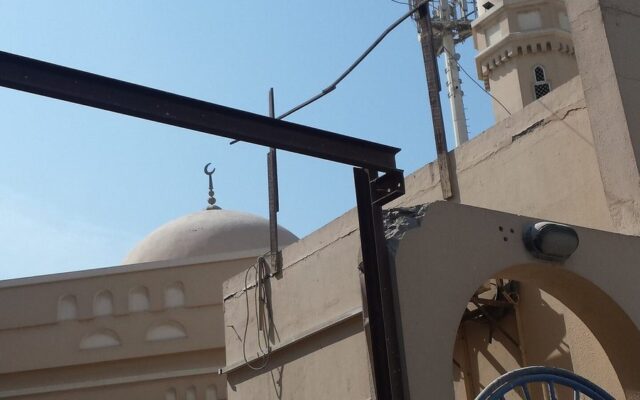
Tanzania’s mix of Christian and Muslim traditions is well reflected in Dubai. Mosques are everywhere, and churches of many denominations hold services across the city, including congregations with strong African membership and Swahili-speaking fellowships in some parishes and fellowships — ask within community groups for current locations and service times. Swahili itself is a bridge: you will hear it in parts of Deira daily, thanks to the large East African presence. For families, Dubai offers schools at many price points, public parks and beaches, and affordable leisure from abra rides to desert outings, so family life can be rich even on a careful budget.
Making the Practical Side Easier
The first months are smoother if you sort the basics early. Keep your documents organised and copies on your phone. Learn the Nol card and metro system before relying on taxis, which add up quickly. Set a remittance routine you can afford — supporting family at home matters, but Dubai rents and deposits demand a buffer, and as a guide keeping even one month’s expenses saved protects you from shocks. If you work in a role with accommodation provided, understand your contract and keep your passport arrangements within UAE law: your passport is your own document. Free zones and mainland community events, African trade expos and Tanzanian national day celebrations organised by community associations are also good ways to build both friendships and professional contacts.
Staying Connected to Home
Video calls, Tanzanian news sites and community radio streams keep home close, and flights via regional hubs make visits feasible if you plan around leave. Many long-term residents describe a rhythm: build a real life in Dubai — friends, routines, savings goals — rather than living in waiting mode. Celebrate the wins, from a promotion to a child’s school place, and lean on the community during the hard weeks. Homesickness is normal; it usually eases once your own circle and routines are in place.
FAQ
Is there a Tanzanian community in Dubai?
Yes, though it is modest in size. Tanzanians connect through East African community groups, faith communities, workplaces and social media groups — Deira and Bur Dubai are good starting points.
Can I find Tanzanian food in Dubai?
Yes. East African restaurants in older parts of the city serve pilau, grilled meats and other favourites, and African and Asian grocers stock key ingredients for cooking at home.
How do Tanzanians meet people when new?
Through work, churches and mosques, community WhatsApp and Facebook groups, and sports and social events. Start with one or two groups and show up regularly.
For more stories and practical guides on building a life in the city, visit DXB Talk and explore our Lifestyle archive.
Related Guides
- Life in Dubai for Expats From Armenia: Community, Food and Finding a Taste of Home
- Life in Dubai for Expats From Uzbekistan: Community, Food and Finding a Taste of Home
- Life in Dubai for Expats From Pakistan: Community, Food and Finding a Taste of Home
- Brunei Expats in Dubai: Community, Food and Festivals