Of all the Arab communities in Dubai, the Syrian one feels most like a city within a city: Syrian restaurants, sweet shops, tailors, doctors and businesses are woven through whole neighbourhoods, and a newcomer from Damascus, Aleppo, Homs or Latakia can find familiar food, familiar dialect and practical help from day one. Many Syrians have built decades-long lives and successful businesses here. This guide looks at where the community lives, how to plug into it, and the everyday details of building a life that honours home while making the most of Dubai.
Neighbourhoods with a Syrian feel
Syrian families are spread across the city, with long-established clusters in Deira — around Al Rigga, Abu Hail and Hor Al Anz — and in Al Nahda, Al Qusais and Al Barsha, plus a large spillover into neighbouring Sharjah where rents are typically lower as a guide. International City and Jebel Ali attract younger workers and small business owners. Wherever you land, the practical markers of the community are easy to spot: Syrian restaurants serving Aleppo kebab and kebbeh, shawarma stands run the Syrian way, and sweet shops whose pistachio baklava and mabrouma draw queues at Eid. Choosing a home near these clusters makes the first year gentler, especially for parents and older relatives.
Food from home
- Restaurants: from old Deira institutions to newer spots in Jumeirah and Business Bay, Syrian kitchens cover everything from breakfast fatteh and foul to Aleppine grills and Damascene desserts.
- Sweet shops: Syrian confectioners are famous across Dubai; many families order knafeh and baklava boxes for gatherings and send them as gifts.
- Groceries: Levantine supermarkets stock Syrian cheeses, olives, spices, dibs and coffee; specialty shelves grow around Ramadan and Eid.
- Home cooking: ingredients for most Syrian dishes are available year-round, and community groups share tips on where each item is best and cheapest this week.
📸 Follow @dxbtalk1 on Instagram for daily Dubai in photos →
Community, faith and family life
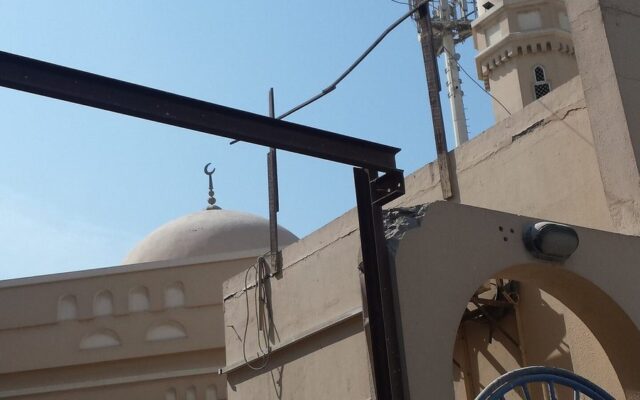
Mosques across Dubai hold Arabic services and Quran classes, and Syrian families connect through school gates, workplaces and informal community networks as much as through formal associations. Because so many Syrians arrived at different times — long-settled business families alongside more recent arrivals — the community informally mentors newcomers with job leads, housing tips and school advice. Weddings, Ramadan iftars and Eid gatherings anchor the social calendar, and Syrian hospitality norms travel well: expect invitations early and often, and expect to reciprocate. For formal matters — consular services, document attestation, status questions — rely on official channels rather than community fixers, however well-meaning.
Work and business
Syrians in Dubai work across construction, trade, food and beverage, medicine, beauty, tailoring and tech, and Syrian-owned businesses — restaurants, clinics, trading companies and workshops — are a fixture of the economy. Many professionals find work through community referrals, so showing up, being known and being recommended matters. If you start a business, use licensed setup channels and keep your trade licence, leases and staff visas fully regular; community reputation is an asset that compliant paperwork protects. Arabic is a genuine advantage in customer-facing roles, and bilingual Syrians are valued in sales, healthcare and hospitality across the Gulf-facing market.
Raising children between two homes
Most Syrian children attend private schools following British, American, IB or UAE curricula, with Arabic language built into the school day — a help for keeping the language strong. Parents supplement with Syrian food, music, family video calls and, when travel allows, summers with grandparents, so children grow up knowing where they come from. University pathways in the UAE and abroad are a common family project, and attested Syrian school and degree documents matter at each transition — keep them organised from the start.
Daily life: schools, health and getting around
Practical life runs smoothly for most Syrian families. Arabic-speaking doctors and clinics are easy to find across the city, which matters for older parents; health insurance is arranged through employers or bought privately, and Arabic-speaking school options range from community schools to premium international campuses. The metro, buses and affordable taxis make Deira and Al Nahda especially convenient without a car, while families in Sharjah weigh lower rent against the famous cross-emirate commute. Weekends revolve around family: parks and beaches in winter, malls and home gatherings in summer, and trips to Syrian-run farms and restaurants on the city’s edges for a slower pace.
FAQ
Where do most Syrians live in Dubai?
Established clusters include Deira, Al Nahda, Al Qusais and Al Barsha, with many families also in Sharjah for lower rents; Syrians live across the whole city.
Is Syrian food easy to find in Dubai?
Very — Syrian restaurants, sweet shops and Levantine supermarkets are widespread, from everyday shawarma to famous Aleppo-style desserts.
How do newcomers connect with the community?
Through neighbourhood restaurants and shops, mosques, schools and workplaces; the community is informal and welcoming, and referrals flow through these networks.
Explore more expat life guides at DXB Talk and in the Lifestyle category archive.
Related Guides
- Life in Dubai for Expats From Armenia: Community, Food and Finding a Taste of Home
- Life in Dubai for Expats From Uzbekistan: Community, Food and Finding a Taste of Home
- Life in Dubai for Expats From Pakistan: Community, Food and Finding a Taste of Home
- Cost of Living in Dubai Compared With Back Home in Zambia