For Sudanese expats, Dubai can feel both comfortingly familiar and completely new at the same time. The shared language of Arabic, the call to prayer, the importance of family and hospitality, all of that lands softly. What takes longer is rebuilding the everyday things: the neighbour who drops by unannounced, ful and tamia eaten slowly with friends, tea poured strong and sweet while the evening stretches out. The encouraging part is that a Sudanese community does exist in the Emirates, spread across Dubai and the northern emirates, and once you find its rhythms, the city starts to feel much smaller and warmer.
Finding the Sudanese Community in Dubai
There is no single Sudanese quarter in Dubai, and community life tends to organise itself through personal networks rather than one formal centre. New arrivals most often connect through Sudanese colleagues at work, fellow worshippers at mosques, parents at the same schools, and Arabic-speaking community groups on social media and messaging apps. Community associations and cultural gatherings linked to Sudan do appear from time to time, including charity collections, cultural evenings and national-day celebrations, but details change, so the reliable route is to ask established Sudanese residents which groups are active now and verify any event through people you trust.
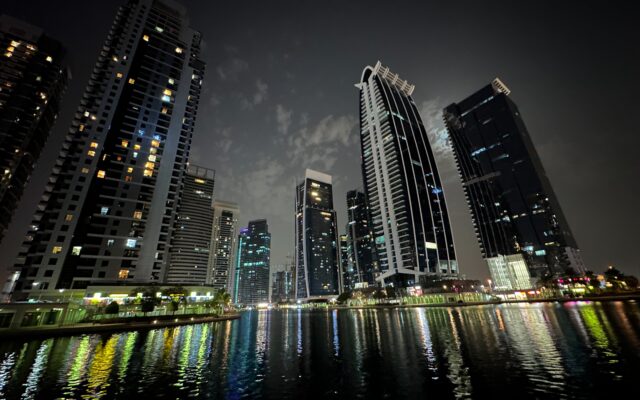
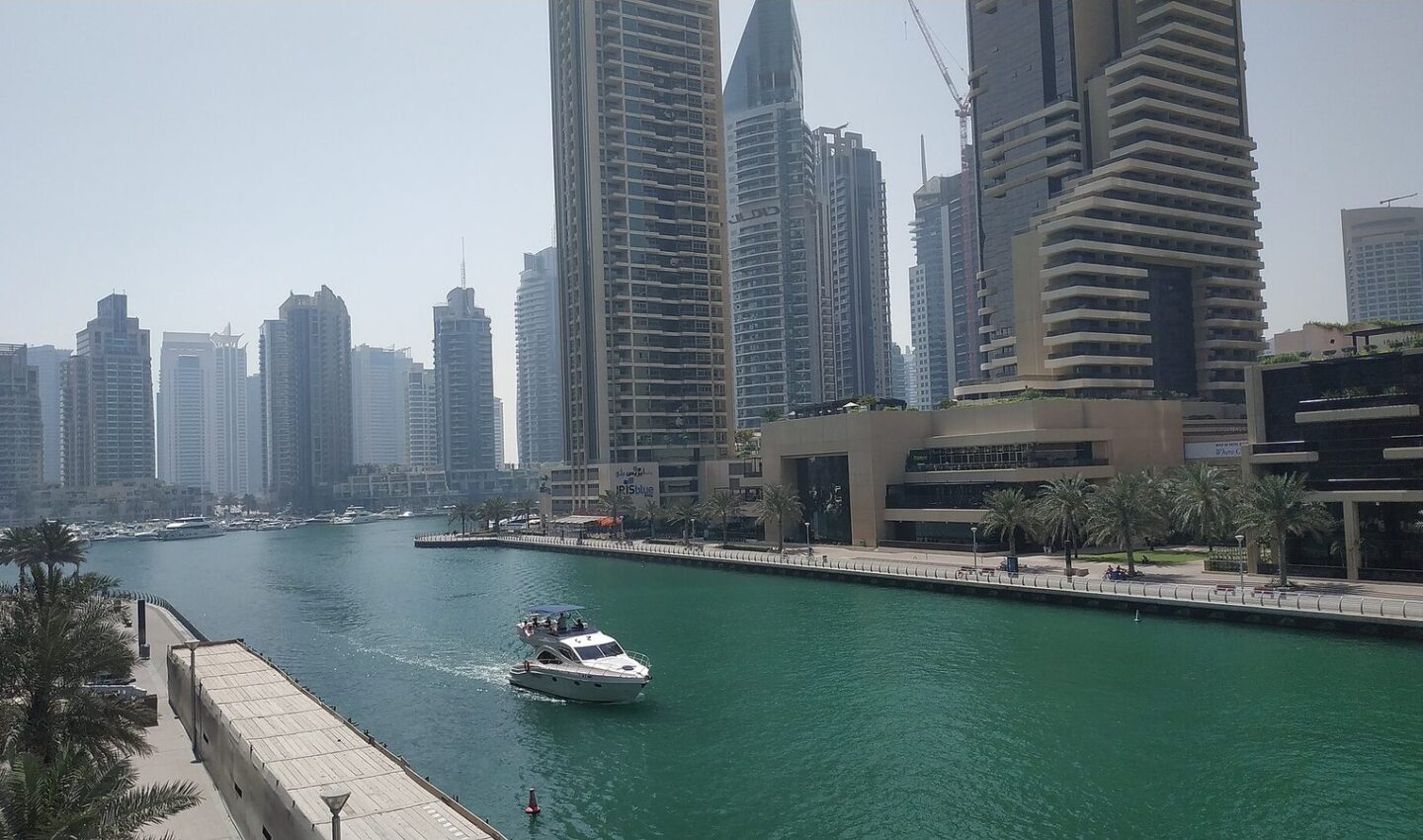
Neighbourhoods with long-standing Arabic-speaking and East African communities, parts of Deira, Bur Dubai, Al Nahda, Muhaisnah and nearby Sharjah districts such as Al Majaz and Al Qasimia, are practical places to start a housing search if being near familiar shops, mosques and restaurants matters to you. Rents in these areas are typically lower than in the newer marina-side districts, as a guide often around AED 2,500 to AED 4,500 a month for a modest one-bedroom flat, depending on the building and season.
Food: Ful, Kisra and the Taste of Home
Sudanese cooking is built around ful medames, kisra and aseeda, rich peanut-based stews, grilled meats and famously generous hospitality. In Dubai you will find Sudanese dishes most reliably in small Sudanese and East African cafeterias in Deira and Bur Dubai, and Arabic and Yemeni restaurants cover many of the surrounding flavours even where a specifically Sudanese menu is not available. Stock changes, so ask in community groups for current recommendations rather than relying on old listings.
- Ful, tamia, lentils and fava beans: widely available in Arabic supermarkets and cafeterias
- Kisra and sorghum flour: check African and Arabic food shops, or order through community sellers
- Sudanese coffee and tea spices: ginger, cardamom and hibiscus (karkade) are easy to find in Deira spice shops
- Halal meat: available everywhere in Dubai, including Sudanese-style butchers in older districts
- Dates, peanuts and sesame products: stocked across the city, especially during Ramadan
Cooking at home is where most families recreate Sudan properly. A Friday lunch built around ful, salads, bread and sweet tea, with friends who stay for hours, does more for homesickness than any restaurant. Large supermarkets stock the basics, while specialist shops in Deira fill the gaps at prices that are typically a little higher than at home, as a guide.
📸 Follow @dxbtalk1 on Instagram for daily Dubai in photos →
Faith, Family and Everyday Life
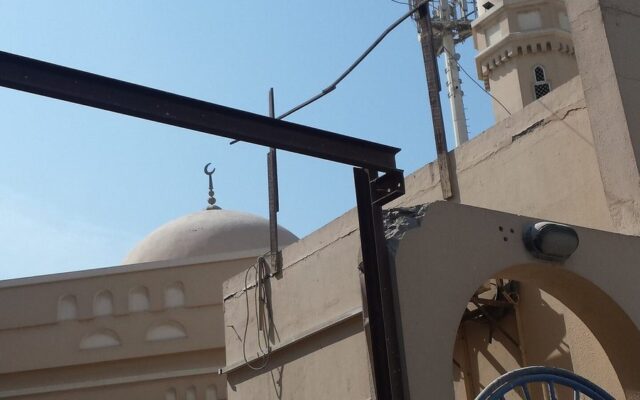
For Muslim Sudanese residents, Dubai is an easy city to practise in: mosques are everywhere, halal food is the default, Islamic holidays are public holidays and the holy month of Ramadan shapes the whole city calendar in a way that feels deeply familiar. Friday family time, visiting between homes and marking Eid with new clothes and sweets all translate naturally. Sudanese families often find the UAE family-oriented culture, parks, beaches, malls with prayer rooms and late opening hours, suits their habits well.
Practical adjustments are mostly about systems. Schooling means choosing between Arabic, British, American and other curricula, and fees vary widely, typically from around AED 10,000 a year at modest schools to far more at premium ones, as a guide. Healthcare runs through employer-provided insurance, and driving, tenancy contracts and government services all run efficiently once you learn the apps and portals. The climate is the other adjustment: Khartoum heat prepares you better than most newcomers, but Dubai humid summer still pushes life indoors between June and September.
Staying Connected to Sudan
Keeping ties home matters, especially when family remains in Sudan and circumstances there are difficult. Remittance services and exchange houses across Dubai handle transfers, video calls keep families close, and community fundraising efforts are often organised informally through trusted networks; verify any collection carefully before contributing. News from home, Sudanese music, and simply speaking Sudanese Arabic dialect with friends all help. Many long-term residents say the balance that works is building a real life in Dubai, work, school, friendships, while keeping Sudan present in the kitchen, the language at home and the people you gather around your table.
FAQ
Is there a Sudanese community organisation in Dubai?
Community activity exists but is largely informal and network-based. Ask Sudanese colleagues, mosque contacts and community social media groups for what is currently active, and verify events through people you know.
Where can I eat Sudanese food in Dubai?
Small Sudanese and East African cafeterias operate in older districts such as Deira and Bur Dubai. Recommendations change as businesses open and close, so community groups are the most reliable source of current names.
Is Dubai a comfortable place for a Sudanese family?
For most families, yes. Shared language, faith and food culture ease the move considerably, and the main challenges are the usual Dubai ones: housing costs, school fees and summer humidity.
Dubai will not replace Sudan, but it can hold a good Sudanese life, ful on a Friday, tea with friends, children growing up between two homes. For more on building your life here, visit DXB Talk and browse the Lifestyle category.
Related Guides
- Life in Dubai for Expats From South Sudan: Community, Food and Finding a Taste of Home
- Life in Dubai for Expats From Armenia: Community, Food and Finding a Taste of Home
- Life in Dubai for Expats From Uzbekistan: Community, Food and Finding a Taste of Home
- Cost of Living in Dubai Compared With Back Home in Denmark