For Malaysians, Dubai often feels easier than expected on the food front and harder than expected on the distance front. Home is roughly seven hours away by air, the Malaysian community here is well established across hospitality, aviation, healthcare, education, oil and gas and professional services, and halal food is the citywide norm rather than a special request. What takes adjustment is building a daily life that still tastes, sounds and feels Malaysian while you settle into a very different rhythm of work, summer heat and weekend routines.
Finding the Malaysian Community
Malaysians in Dubai tend to connect through a mix of workplace networks, Malaysian social and business associations, mosque communities, school parent groups and informal social media groups for Malaysians in the UAE. Search those groups before you arrive and attend a gathering early, even a simple coffee morning or community dinner. Those first contacts are gold for practical advice: which areas suit your commute, which schools other Malaysian families use, where to find specific ingredients and how people handle trips home during Malaysian school holidays.
Community life often gathers around food and festivals. Hari Raya Aidilfitri, Hari Raya Haji, Malaysia Day on 16 September and National Day on 31 August are natural points in the year when Malaysians here seek each other out, whether through open houses, restaurant gatherings or community events. Check Malaysian community channels and, where relevant, official Malaysian mission announcements for public celebrations, and offer to contribute a dish if you are invited to a potluck-style gathering.
A Taste of Home in Dubai
- Malaysian restaurants: Dubai has Malaysian and wider Southeast Asian restaurants where nasi lemak, roti canai, char kuey teow, laksa and satay appear on menus, though menus vary and authenticity is debated with great passion. Try a few and find your regular.
- Asian supermarkets: Larger Asian grocery stores and the international aisles of big hypermarkets are the places to hunt for belacan, dried chillies, curry pastes, coconut milk, pandan, kicap manis and Malaysian snack brands. Stock levels rotate, so buy spares of essentials when you see them.
- Cooking at home: Rendang, chicken curry, nasi goreng and mee goreng all work well in Dubai kitchens, and most base ingredients are available year-round. A home-cooked spread for Malaysian friends is still the fastest cure for homesickness.
- Halal confidence: Meat and poultry sold in the UAE is halal as standard, which removes a layer of shopping anxiety many Malaysians feel in other countries. Always check labels for imported processed items if you have specific requirements.
📸 Follow @dxbtalk1 on Instagram for daily Dubai in photos →
Daily Life: What Feels Familiar, What Does Not
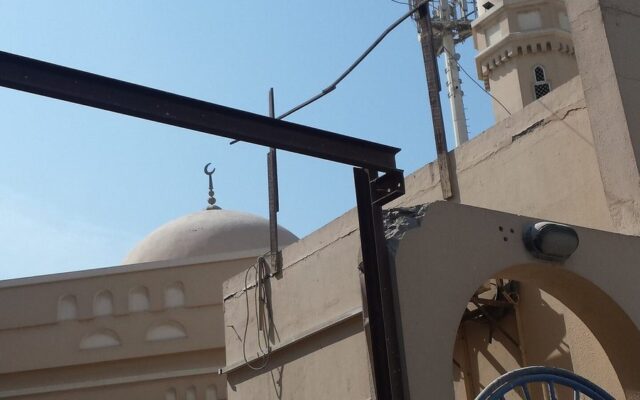
The multicultural street life will feel familiar. Like Kuala Lumpur, Dubai runs on many languages at once, and Malaysian expats usually find English, plus their own mix of Malay, Mandarin, Tamil or other languages, useful in different corners of the city. Friday prayers, Ramadan rhythms and the availability of mosques everywhere also feel natural, though working hours and public observance during Ramadan follow UAE rules that you should learn in your first year.
The differences are climate and scale. Dubai summers are far hotter and longer than a Malaysian hot season, and there is no monsoon break to cool things down. Plan outdoor life for early mornings and evenings from roughly May to September, keep hydration serious, and expect air-conditioning to be a major part of daily comfort and household budgeting. Driving distances are also longer than they look on a map, so choose your neighbourhood for your commute first and lifestyle second.
Family Life, Faith and Weekends
Malaysian families often settle in areas with good school access and a mix of communities, and weekend life revolves around malls, beaches in the cooler months, parks, indoor play venues in summer and meals out with friends. Prayer facilities are widespread, halal dining is everywhere, and Islamic holidays are public holidays here, which many Malaysian families appreciate. If your children were in Malaysian schools, research curriculum options early, as places in popular international schools fill quickly and fees are a major budget item, typically paid termly as a guide.
Staying connected to home helps too: video calls timed around the four-hour time difference with Malaysia, streaming Malaysian news and shows, and planning one solid trip home each year rather than several rushed ones. Many families time travel for Hari Raya or school breaks and book early, as fares rise sharply at peak periods.
FAQ
Q: Is Malaysian food easy to find in Dubai?
A: Easier than in most expat cities. Dedicated Malaysian restaurants exist, Asian supermarkets stock core ingredients, and home cooking fills the gaps. Specific regional specialities may still need improvisation.
Q: How do Malaysians meet each other in Dubai?
A: Through Malaysian community and business groups, social media communities, mosques, schools and workplaces. Join online groups before you land and show up to an early gathering in person.
Q: What do Malaysians find hardest about Dubai?
A: Usually the summer heat, the cost of schooling and housing, and being away during family occasions at home. A strong local circle and a planned annual trip home make a real difference.
For more on settling in, explore DXB Talk and browse the Lifestyle archive for community and everyday-life guides.