For a Libyan, Dubai can feel like both a foreign city and a familiar one: the Arabic language, the mosques, the late dinners and the value placed on family all feel like home, while the sheer international mix — colleagues and neighbours from a hundred countries — is unlike anywhere in Libya. Libyans here work in energy and trading, medicine, engineering, education, aviation, retail and business, and most find that settling in is less about culture shock and more about building a social circle and a kitchen that taste like Tripoli or Benghazi.
Where Libyans Live and How Community Forms
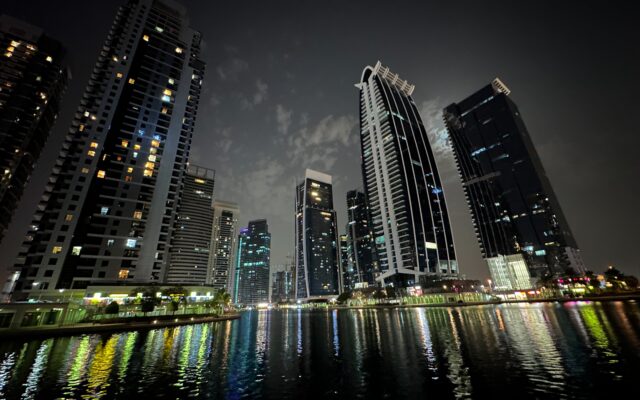
There is no single Libyan district in Dubai. Families who want Arabic-speaking neighbours, mosques and schools nearby often settle in areas such as Al Qusais, Muhaisnah, Al Nahda, Deira and Bur Dubai, while professionals working in Media City, Jebel Ali or the newer business districts choose homes along the Metro line or in JLT, Al Barsha and JVC. Sharjah is also home to many Libyan families who work in Dubai and accept the commute for larger homes and lower rents, typically from around AED 2,500 a month for a modest family apartment as a guide.
Community gathers around mosques, children’s schools, workplaces and Libyan friendships carried over from home — Dubai’s Libyan circle is small enough that introductions travel fast. National occasions, Ramadan iftars and Eid gatherings, often organised informally through messaging groups, are where newcomers meet the families who will become their emergency contacts, babysitters and weekend company. If you are new, accept every reasonable invitation in the first months; community here is built by showing up.
- Mosque communities and Ramadan and Eid gatherings
- Libyan and North African friendship circles formed through work and school gates
- Arabic-speaking parent groups and university alumni networks
- Messaging and social media groups for Libyans and Arabs in the UAE — meet first in public places
- Cafes and restaurants in Deira and Bur Dubai where North African regulars gather
A Taste of Home: Libyan Food in Dubai
Libyan cooking is distinctive even within North Africa — bazeen with its rich sauce, usban, mbakbka pasta, Libyan soup at Ramadan, couscous, shakshuka-style eggs, and sweets with dates and almonds — and Dubai makes home cooking genuinely achievable. Supermarkets and Arabic grocery stores stock couscous, pasta, tomato paste, dried limes, spices, olive oil and dates in abundance, and specialist shops in Deira and the international food stores around the city carry Maghrebi products such as harissa and preserved lemons; ask shopkeepers, because Libyan-specific items often arrive in small batches.
For eating out, the city’s Yemeni, Egyptian, Levantine and Moroccan restaurants cover many of the flavours Libyans crave, and a handful of North African kitchens come closer still — ask other Libyan families what is currently good, since small restaurants open, move and change cooks often. Home remains the real centre: Friday lunches, big pots shared with friends, and teaching children to make the dishes their grandparents made in Libya are how most families keep the culture warm.
📸 Follow @dxbtalk1 on Instagram for daily Dubai in photos →
Family Life, Faith and Weekends
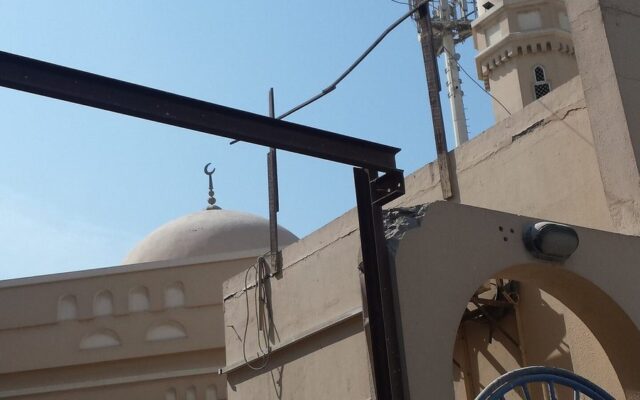
Faith life is easy to sustain in Dubai, with mosques in every neighbourhood, Friday prayer woven into the working week, and Ramadan observed across the whole city — iftar tents, shorter working hours and night-time social life make it a favourite month for many Libyan families. Children attend private schools following British, American, IB or other curricula; Arabic language and Islamic studies options help families keep identity strong, and many parents add Libyan history and dialect at home through stories, calls with grandparents and summer trips.
Weekends fill with the sea and the city: public beaches, parks with barbecue areas, desert trips in the cooler months, and malls that double as summer refuges. Dubai runs from roughly October to April as outdoor season — plan picnics, football and beach days then, and indoor pleasures for the humid summer. Time differences with Libya are small, so calls home fit naturally into evenings, and family group chats keep grandparents involved in daily Dubai life.
Staying Grounded While Life at Home Is Uncertain
Many Libyans in Dubai carry a double emotional load: building a stable life here while worrying about family, property and events back home. It helps to be deliberate — keep documents, savings and children’s schooling secure in Dubai; follow Libyan news in measured doses rather than all day; and lean on the community honestly when worry spikes. When travelling home, check flight schedules and entry conditions freshly each time, and keep your UAE residence position safe by watching absence periods and visa validity.
Practically, keep your banking, remittances and paperwork through official channels, renew Emirates ID and tenancy on time, and maintain a small emergency fund — typically three months of basic costs as a guide. Stability is something Libyan families in Dubai actively construct, and the routines you build here genuinely protect the people you love in both places.
FAQ
Is there a Libyan community or neighbourhood in Dubai?
There is no single district, but Libyan families are well networked through mosques, schools and friendship circles, especially in Deira, Al Qusais, Al Nahda and Sharjah. Introductions from one family quickly open the circle.
Can I find Libyan food and ingredients in Dubai?
Yes, mostly through home cooking: Arabic and Maghrebi shops stock couscous, harissa, spices, olive oil and dates, and North African restaurants cover many home flavours. Ask the community for current favourite spots.
How do Libyan children keep their language and identity in Dubai?
Through Arabic at school where chosen, Libyan dialect and stories at home, regular calls and visits with family in Libya, and community gatherings at Ramadan, Eid and family occasions.
Dubai gives Libyan families room to breathe, work and raise children in stability, while home stays close in language, faith and food. Explore more settling-in guides at DXB Talk and the Lifestyle archive.