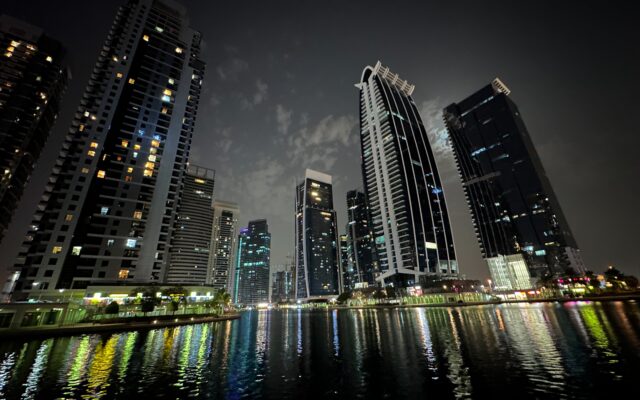
Life in Dubai for expats from Lesotho is a study in contrasts: a fast, glittering desert city a long way from the cool mountains of the Mountain Kingdom, yet one where southern African friendships, familiar flavours and a strong sense of community can make it feel surprisingly like home. The Basotho community in the Emirates is small compared with some nationalities, which has an upside — people tend to look out for each other, and connections made through work, church and wider African networks quickly become a real support system.
Finding Your People
Most Basotho in Dubai meet their community sideways — through South African and broader southern African circles, since Lesotho and South Africa share language, food and family ties. Sesotho is widely understood among South African colleagues, and workplaces in hospitality, healthcare, education, aviation and services often bring the region together. Churches are another anchor: many congregations across Dubai include southern African members, with worship, choirs and fellowship that feel familiar. Social media groups for Africans and southern Africans in Dubai, community sports, and cultural events hosted around African national days are all worth following. Because the community is small, showing up consistently matters — the second and third time you attend something is when acquaintances become friends.
- Southern African and African expat groups online — for housing tips, jobs and social events
- Churches and choirs with southern African congregations across the city
- Workplace networks — colleagues from the region often become the first social circle
- Sports and braai culture — shared grills and football are easy, familiar ways to gather
Food From Home
You will not find a street of Lesotho restaurants in Dubai, but the ingredients for home cooking are within reach. Papa — the stiff maize porridge at the heart of a Lesotho meal — can be made from maize meal sold in African and South African grocery sections and specialty shops, especially around Deira and International City, where shops stock goods for the continent’s many communities. Moroho-style greens can be approximated with the leafy vegetables in larger supermarkets, and dried beans, samp and tinned goods travel well in luggage from home within customs rules. South African shops and restaurants in Dubai are the closest regular taste of home for many Basotho: expect familiar grilled meats, wors and marinades, and shelves of imported snacks and drinks. Prices for imported goods are higher than at home — as a guide, specialty items often cost two to three times their Maseru price once freight is added — so most people cook everyday meals from local ingredients and save imports for weekends and gatherings.
📸 Follow @dxbtalk1 on Instagram for daily Dubai in photos →
Staying Connected to Lesotho
Distance feels smaller with a rhythm: regular video calls timed for the small time difference — Dubai is ahead of Lesotho by a couple of hours depending on the season — family WhatsApp groups, and following Lesotho news and radio online. Sending money home reliably, and planning leave around family events where work allows, keeps ties strong. Many Basotho also find meaning in mentoring newer arrivals, passing on the flat-hunting, document and workplace lessons they once needed. That generosity is how a small community punches above its weight.
Enjoying Dubai Beyond Work
Make space for the city itself. Dubai’s beaches, desert trips, public parks and winter outdoor season are genuinely enjoyable — and the cooler months, roughly November to March, will suit anyone who prefers Lesotho’s crisp air. Affordable pleasures are everywhere: abra rides across the Creek for a token fare, Old Dubai’s souks and museums, mall libraries and free community events, and day trips to the Hatta mountains, which more than one Mosotho has said feels like a postcard from home. Summers are extremely hot, so plan outdoor life for mornings and evenings and lean on indoor options — gyms, pools, cinemas and community halls — until the weather turns.
Handling the Hard Parts Honestly
Homesickness is real, especially at first and around family milestones you cannot attend. Costs are the other pressure: rent, schooling and imported comforts add up, so budget with the same discipline you would apply at home and be wary of lending or borrowing arrangements that strain friendships. Keep your paperwork — visa, Emirates ID, insurance — always in order, because peace of mind in Dubai rests on valid status. And if work or life becomes genuinely difficult, reach out early: to trusted community members, to your employer’s support channels, and where needed to the official Lesotho mission covering the UAE, whose details you can verify through Lesotho’s foreign ministry.
FAQ
Is there a Lesotho community in Dubai?
It is small, and most Basotho socialise within wider southern African and African networks, churches and workplaces. Those circles are welcoming and are the fastest route to friendship and practical help.
Can I find ingredients for Lesotho food in Dubai?
Yes, largely. Maize meal and African staples are sold in specialty shops in areas such as Deira and International City, and South African stores cover many familiar items, though imports cost more than at home.
What helps most with homesickness?
A routine of calls home, a faith or social community, regular gatherings around food, and making the most of Dubai’s winter outdoor season. Mentoring newer arrivals also helps many people feel rooted.
Dubai will never be Maseru — but with community, familiar food and a life beyond work, it can become a genuine second home. For more stories and practical guides to settling in, visit DXB Talk and browse the Lifestyle category archive.