For Eritreans, Dubai offers something precious: a safe, orderly city with real earning power, a large East African presence and flights — usually with one stop — back to Asmara. What it does not offer automatically is the sound of Tigrinya in the street or the smell of freshly roasted coffee for a jebena ceremony. Those you build yourself, through community, food and the small rituals that keep home close. This guide shows where to start.
Finding the Eritrean and East African Community
Dubai’s Eritrean community is modest in size but well connected, and it overlaps naturally with Ethiopian, Sudanese and wider East African networks. Most people find each other through work, faith and food rather than formal associations. Good starting points include:
- Ethiopian and Eritrean restaurants and cafes in Deira and Bur Dubai, where staff and regulars share housing, job and community news
- Orthodox, Catholic and other church communities with East African congregations — check official parish channels for service languages and times
- Workplace networks in hospitality, aviation, logistics, beauty services and healthcare, where many East Africans work
- Community groups on social media for room shares, events and advice — join a few, verify information independently, and beware of rental or job scams
- Cultural celebrations around Eritrean Independence Day and religious holidays, often organised informally through community and church networks
Because the community is close-knit, reputation travels fast. Offer help generously — airport pickups, advice for newcomers, a spare room for a few nights — and the same support will be there when you need it.
Food: Injera, Berbere and the Coffee Ceremony
Food is where Dubai quietly delivers. Ethiopian and Eritrean restaurants, mainly in Deira and the older parts of the city, serve injera with tibs, shiro, lentil and vegetable stews that taste properly of home, since the two cuisines share deep roots. For cooking yourself, East African and Ethiopian grocery shops — along with spice traders in the Deira markets — typically stock teff flour, berbere, mitmita, shiro powder, green coffee beans and frankincense as a guide to what is commonly available, though stock varies by shop.
The coffee ceremony deserves its place in Dubai life. Roasting green beans at home, grinding them and brewing in a jebena is entirely possible — jebenas and small roasters appear in East African shops and online listings. Many residents host ceremonies on weekends, turning a small apartment into the social heart of their circle. For everyday eating, the city’s Eritrean-friendly staples — rice dishes, grilled meats, lentil soups — are cheap and plentiful in Deira and Karama cafeterias when you are not cooking Habesha food at home.
📸 Follow @dxbtalk1 on Instagram for daily Dubai in photos →
Faith, Family and Everyday Rhythms
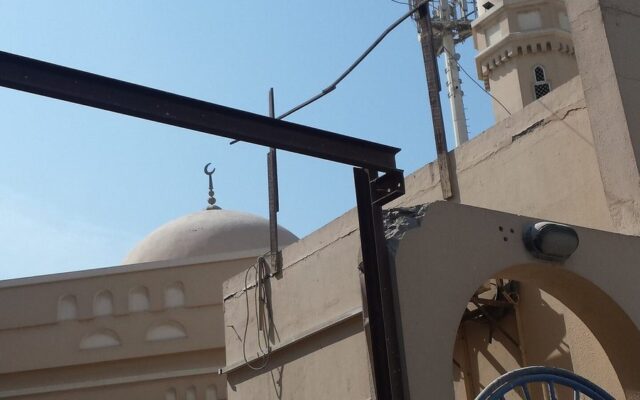
Dubai’s licensed places of worship serve many of the traditions Eritreans follow, including Orthodox and Catholic churches and mosques across every neighbourhood. Services in Tigrinya or Amharic may be available through East African congregations — verify schedules through the church’s official channels rather than word of mouth alone. For families, Eritrean and Ethiopian parents often connect through schools and church groups to arrange Tigrinya language practice and cultural teaching for children growing up between two worlds.
Practical life runs smoothly once routines are set: a Nol card for the Metro, a regular money-transfer routine through licensed exchange houses, and a budget that balances Dubai costs with support for family in Eritrea. Remittances to Eritrea need extra care, so use the licensed routes and keep receipts, as delivery options can change.
Making Dubai Feel Like Home
Homesickness hits hardest in the first months and around holidays. Counter it by building rhythm: a weekly coffee ceremony, a regular football game or walk with friends in the cooler months, calls home at set times, and exploring the Dubai that locals love — the creek, public beaches, Al Fahidi’s lanes and affordable abra rides. Respect local customs in dress and behaviour, observe Ramadan etiquette, and your Eritrean values of hospitality and dignity will fit naturally here. Many long-term residents say the turning point is simple: when your flat smells of roasting coffee and your phone holds a circle of trusted friends, Dubai stops being a posting and becomes a second home.
FAQ
Where can I eat Eritrean food in Dubai?
Ethiopian and Eritrean restaurants, concentrated in Deira and Bur Dubai, serve injera, tibs, shiro and fasting platters that closely match home cooking. Check recent reviews before visiting.
Can I buy ingredients for a coffee ceremony in Dubai?
Yes, typically. East African grocery shops commonly stock green coffee beans, berbere, teff flour and incense, though availability varies, so ask shopkeepers about new stock.
How do Eritreans in Dubai meet each other?
Mainly through churches, East African restaurants, workplaces and informal community groups, especially around religious holidays and national celebrations organised within the community.
For more stories and practical guides to community life, visit DXB Talk and browse the Lifestyle archive for food, neighbourhood and everyday living tips.