Dubai is home to people from almost everywhere, and while the Burundian community here is small compared with some larger nationalities, that does not mean you have to feel far from home. Life in Dubai for expats from Burundi is about building a daily routine in one of the world’s most international cities — finding familiar food where you can, staying connected with family, meeting other East Africans, and enjoying what Dubai does well while keeping the traditions that matter to you.
Settling in and finding your people
New arrivals often meet others through workplaces, churches and mosques, sports groups and wider East African community networks in Dubai. Burundi shares language and culture links with neighbours in the region, so Rwandan, Tanzanian, Kenyan and Congolese gatherings, restaurants and events can feel familiar even when a specifically Burundian event is not on. Social media groups for East Africans in the UAE and community noticeboards are a practical way to hear about meetups, football matches and cultural celebrations — just use normal care when meeting new people and keep official matters to official channels.
French and Kirundi are widely spoken at home, while Dubai runs largely on English with Arabic as the official language. Many Burundians find their French useful with Dubai’s large Francophone African community, and improving everyday English or learning basic Arabic phrases both help at work and in daily life.
Food and a taste of home
Dubai’s food scene is huge, and the ingredients for East African cooking are easier to find than newcomers expect. Supermarkets in areas with large African communities, smaller African grocery shops, and market stalls in older districts such as Deira stock staples such as beans, maize flour, plantains, cassava products and spices, with availability varying by shop and season. When a specific product is missing, staff in these shops often know where it can be ordered or found.
- Explore African grocery shops in Deira and International City areas
- Ask community contacts where they buy beans, plantains and flour
- Try East African restaurants for dishes that remind you of home
- Cook and share meals — food is often how community forms
- Check supermarket international aisles for sauces and spices
Prices for imported speciality ingredients are typically higher than at home, around a few AED more per item as a guide, so many residents stock up when they find a good supply and share tips in community chats about fresh deliveries.
📸 Follow @dxbtalk1 on Instagram for daily Dubai in photos →
Faith, family and everyday life
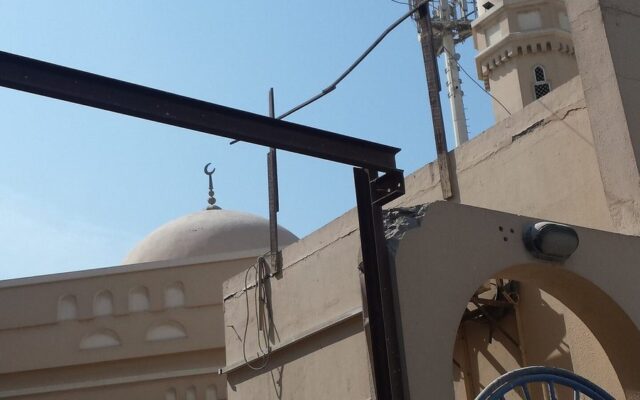
Dubai has licensed churches, mosques and other places of worship serving many communities, and services in French or African languages can be found with a little searching through official congregation websites. For families, the bigger decisions are schooling, healthcare registration and housing: choose a home within your budget rather than stretching for a prestigious area, bearing in mind that rents are typically paid in a few cheques over the year and vary widely by neighbourhood, as a guide. Areas with good Metro access make life without a car much easier.
Register with a clinic near home, keep health insurance documents handy, and learn the basics that every resident needs — Emirates ID, the Nol card for transport, and the main government apps. Staying connected to Burundi is straightforward with video calls and messaging, and planning calls around family events back home helps children keep their language and roots.
Making the most of Dubai
Beyond work, Dubai offers beaches, parks, desert trips and free community events that do not require a big budget. Public beaches, creek-side walks and winter outdoor markets are favourites during the cooler months, while malls and libraries are lifesavers in summer. Joining a sports league, volunteering or taking a short course is often the fastest way to turn acquaintances into real friends. Respect local laws and customs — dress modestly in traditional areas, observe Ramadan etiquette in public, and keep documents in order — and Dubai is a welcoming, safe base from which many Burundians build careers, save for goals at home and raise families.
Weekends are also a good time to explore Burundi’s cultural presence in small ways: sharing coffee ceremonies with friends, teaching children songs and stories from home, and marking national days together even on a small scale at home all help a new city start to feel like a place where your family’s identity belongs and can grow.
FAQ
How big is the Burundian community in Dubai?
It is relatively small, so most Burundians connect through wider East African and Francophone networks, faith communities and workplaces, which are welcoming and active.
Can I find Burundian or East African food in Dubai?
Yes, with some searching. African grocery shops and East African restaurants cover many staples and dishes, though specific items may need to be ordered or substituted.
What helps most when settling in?
Sorting Emirates ID, housing near transport, health insurance and a local SIM quickly, then joining one community or faith group, makes the first months much easier.
Discover more about neighbourhoods, food and community life at DXB Talk and in the Lifestyle category archive.