The Bolivian community in Dubai is small — there is no Bolivian neighbourhood, no Bolivian supermarket aisle, and you may go weeks without hearing Spanish spoken in a Paceño or Cruceño accent. But small does not mean lonely. Dubai’s wider Latin American community is welcoming and well organised, the city rewards people who build their own social life, and Bolivians here tend to find their people through work, church, sport and food. This guide is an honest look at daily life: where community happens, how to eat a little like home, and what surprises Bolivians most about the Emirates.
Finding Your Community in a Big, Mixed City
Start with the wider Spanish-speaking world. Dubai has Latin American social groups that organise through social media and messaging apps — salsa and bachata nights, Spanish-language Catholic and evangelical congregations, Latin football teams, and national-day celebrations hosted by the bigger communities such as Colombians, Mexicans, Peruvians and Venezuelans, who happily adopt Bolivians into the circle. September’s Fiestas Patrias season and the run-up to Christmas are when the Latin social calendar is fullest. Search for Latin expat groups in Dubai on the main social platforms, join one or two, and actually go to the first meet-up rather than lurking — in a transient city, friendships form fast precisely because everyone arrived knowing nobody.
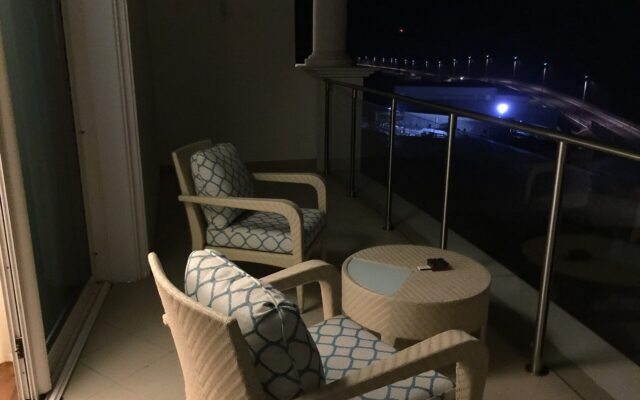
At work, Bolivians cluster in the same sectors as many Latin Americans: hospitality and hotels, aviation, beauty and wellness, education, and trading companies dealing with the Americas. Colleagues become your first network, and house gatherings — an asado-style barbecue adapted to a Dubai balcony or a desert camping trip in winter — are where the real community lives.
A Taste of Home: Food, Ingredients and Cooking
You will not find a Bolivian restaurant on every corner, but Latin American restaurants and food trucks across Dubai serve empanadas, arepas, ceviches and grilled meats that scratch much of the itch, and pan-Latin grocery suppliers and online shops stock staples such as dried chillies, corn products, beans, yerba mate and Latin soft drinks. For specifically Bolivian cravings — salteñas on a Sunday morning, a proper api, or chuño and quinoa for home cooking — most Bolivians here cook:
- Quinoa and many Andean grains are widely available in Dubai supermarkets, often cheaper than expected
- Frozen and dried Latin ingredients can be ordered from specialist online grocers serving the UAE
- Fresh chillies, coriander and plantains are stocked by Asian and international supermarkets across the city
- Fellow Latin expats run informal home-baking and catering side businesses — the community groups are where you find them
Dubai’s own food scene becomes part of the fun: Bolivian families adopt Pakistani biryanis, Filipino barbecues and Emirati machboos into their rotation quickly, and Ramadan iftars with colleagues are a social highlight of the year.
📸 Follow @dxbtalk1 on Instagram for daily Dubai in photos →
The Adjustments Nobody Warns You About
The climate tops the list. Compared with Santa Cruz’s warmth or La Paz’s cool altitude air, Dubai’s summer — over 40°C with humidity — reorganises your life around air-conditioning for months, while the winter, roughly November to March, is glorious and everyone lives outdoors. Altitude is the second surprise: Dubai is at sea level, so trips home to El Alto hit harder than they used to; give yourself rest days on arrival. Culturally, the UAE is welcoming but has its own norms: dress modestly in public and government settings, be discreet during Ramadan in daylight public spaces, and learn the basics of local etiquette — a little respect goes a very long way here. Alcohol is available in licensed venues and, for residents with the appropriate arrangements, for home purchase, but public drunkenness is an offence; the party culture of a Bolivian churrasco needs adjusting, not abandoning.
Practically, Spanish will not help you with bureaucracy — everything official runs in Arabic and English — but Dubai’s service economy speaks dozens of languages and translation apps plus patient typing-centre staff bridge most gaps while your English improves.
Making It Feel Like Home
The Bolivians who thrive in Dubai tend to do three things. They build a mixed circle — Latin friends for the soul, colleagues and neighbours of other nationalities for the everyday — because Dubai’s gift is its variety. They keep home close in small ways: video calls timed to Bolivian mornings, a flag on the balcony for 6 August, salteñas attempted at least once a year whatever the kitchen cost. And they use Dubai as a base: the city’s connections make Asia and Europe weekend-reachable in a way that changes how you see the world from Bolivia. Homesickness comes in waves, usually around Carnaval and Christmas, and it passes faster when your calendar here is full.
FAQ
Is there a Bolivian community in Dubai?
It is small, and most social life runs through the wider Latin American community — social groups, churches, sports teams and Latin restaurants. Join those networks and you will meet fellow Bolivians over time.
Can I find Bolivian food in Dubai?
Dedicated Bolivian restaurants are rare, but Latin American venues and specialist grocers cover many flavours, and key ingredients such as quinoa, beans and chillies are widely available for home cooking.
Do people speak Spanish in Dubai?
Within the Latin community, yes. For official matters everything is in Arabic and English, so some English is important for work and daily bureaucracy.
Small community, big city, warm welcome — that is the Bolivian experience of Dubai in one line. For more expat life stories, neighbourhood guides and weekend ideas, visit DXB Talk and browse our Lifestyle category.
Related Guides
- Life in Dubai for Expats From Armenia: Community, Food and Finding a Taste of Home
- Life in Dubai for Expats From Uzbekistan: Community, Food and Finding a Taste of Home
- Life in Dubai for Expats From Pakistan: Community, Food and Finding a Taste of Home
- Cost of Living in Dubai Compared With Back Home in Suriname
- Life in Dubai for Expats From Kenya: Community, Food